







 History, Latin

4677122 / 5564411
The Limes
Boundary Wall of the Roman Empire
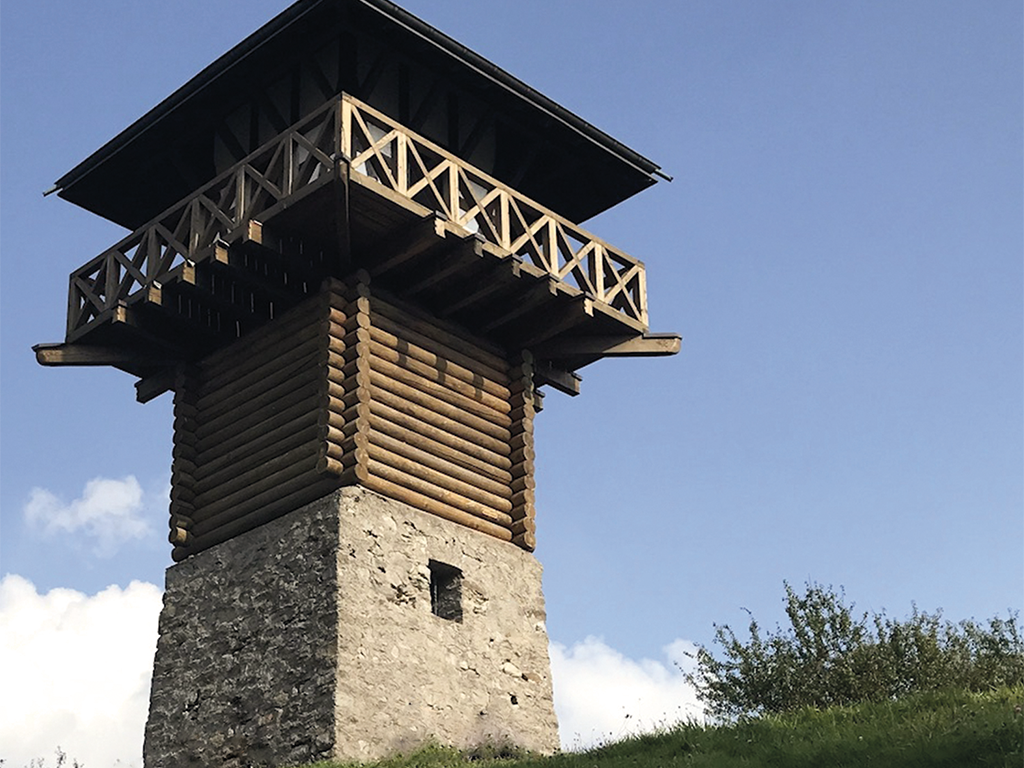
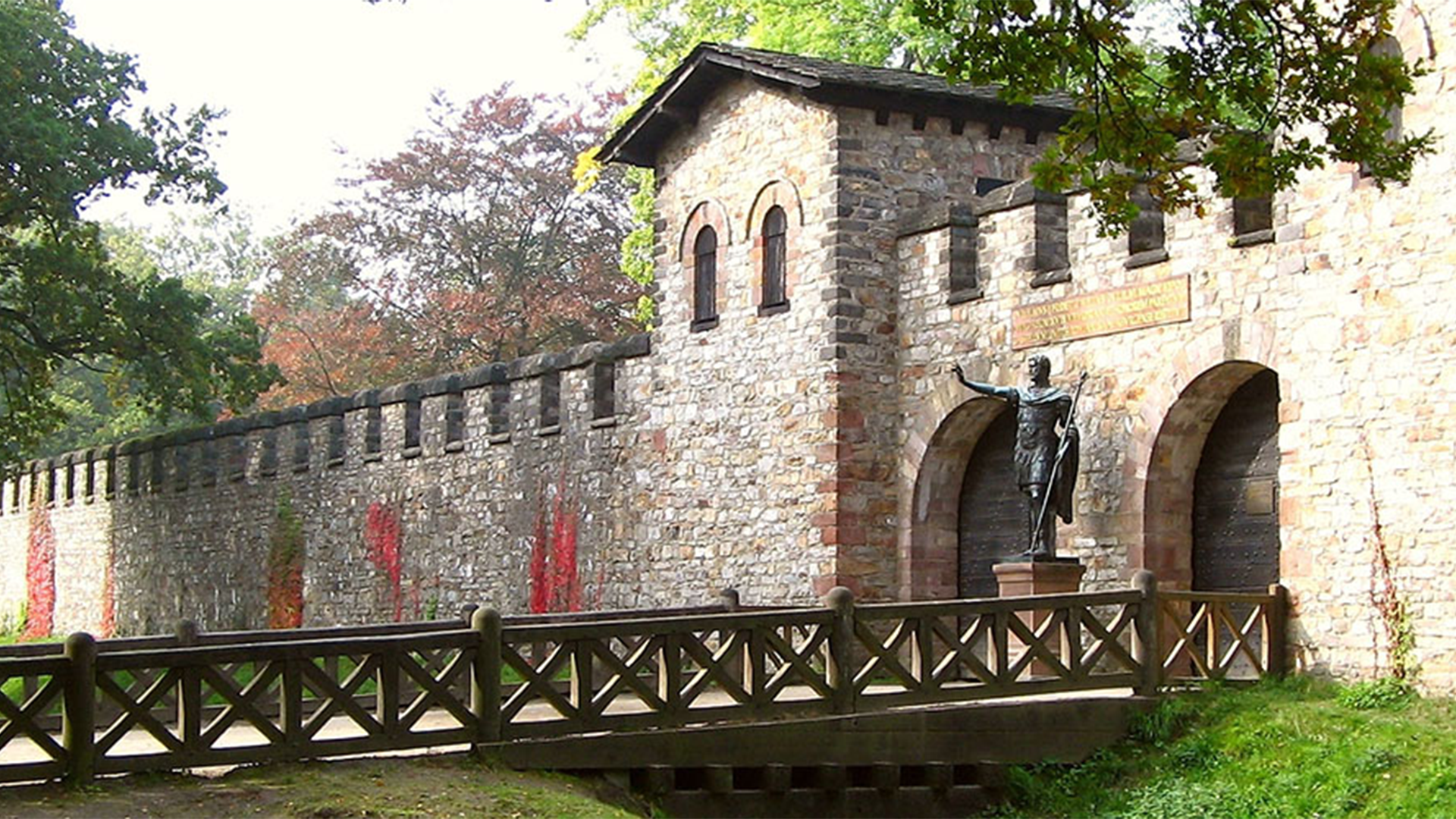
The limes – the northern borderline of the Roman Empire stretched from Britannia to the Black Sea. In its golden age, the antique global empire comprised an area as large as the United States today. It stretched from Scotland to Sudan and from Spain to the Caucasus. The Roman army, which counted more than 300,000 men, had to defend a frontier that was approx. 5,000 km long. But only in the north of the Empire, at the boundary line to Britannia and Germania, the frontier was continuously fortified and extended. What did that mean? Were the powerful Romans actually afraid of their Barbarian neighbours? What did this border really look like? And how was this huge borderline actually formed?
Play trailer
- <> Languages: DE, EN, LA
- <> Target Groups: Sek I
- <> Subject: History, Latin
- <> Length: 23:00 min
- View in learning platform
Licenses
Curriculum-centred and oriented towards educational standards
Matching


Tolerance
“Tolerance means being generous and kind to other people and helping them, too.”


Seal of approval
Quality seals such as the "Bio-Siegel", "Blauer Engel", "Stiftung Warentest" and up to 1,000 other seals represent characteristics such as sustainability, health or safety with regard to a product, a service or even a company.
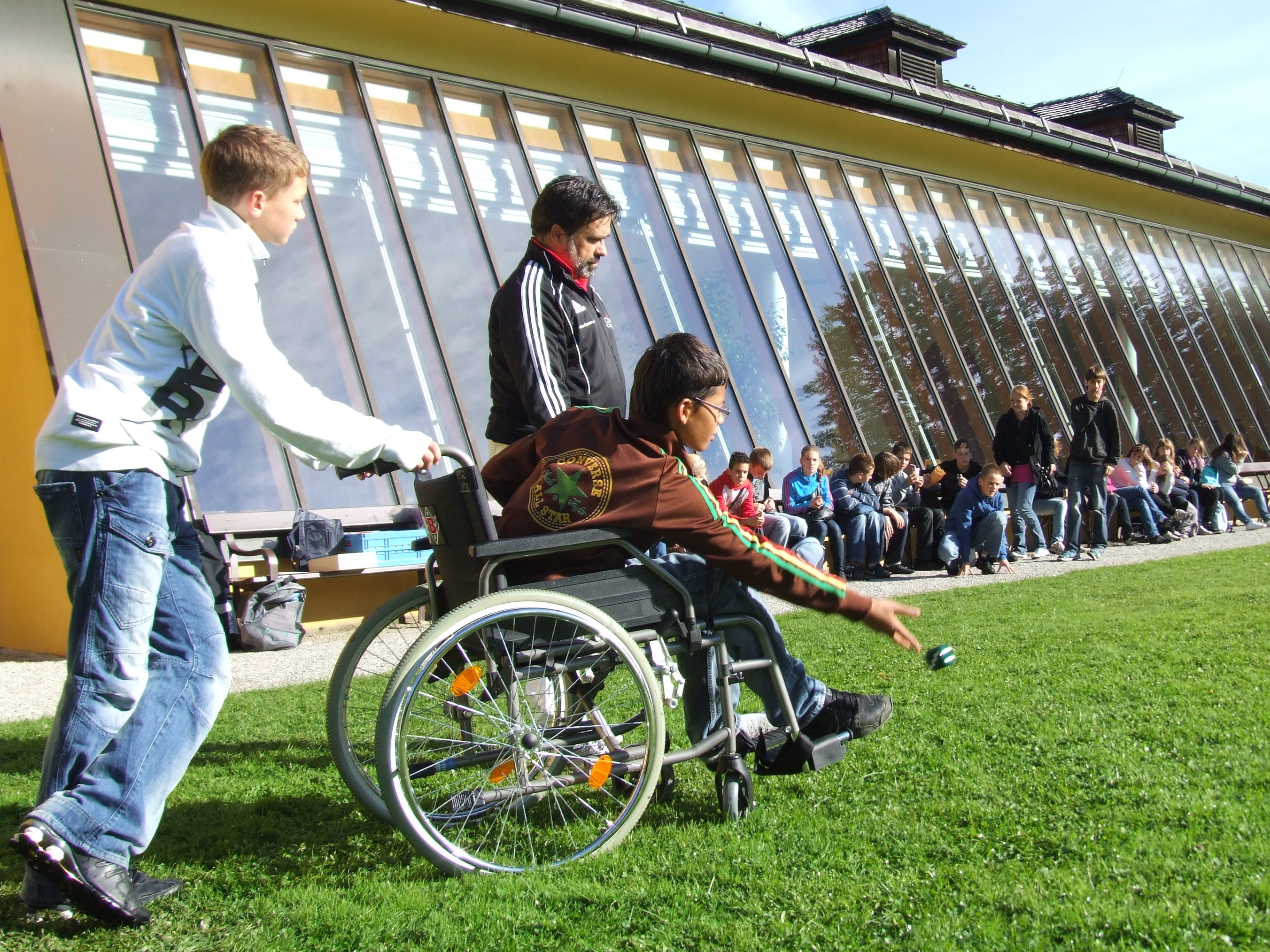

Pupils Practise Inclusion
When people come together, no matter under what concomitant circumstances – ultimately, it is about how these people meet and how openly they interact with one another.