







 Preschool

4665870 / 5558095
Autumn
Harvest Time
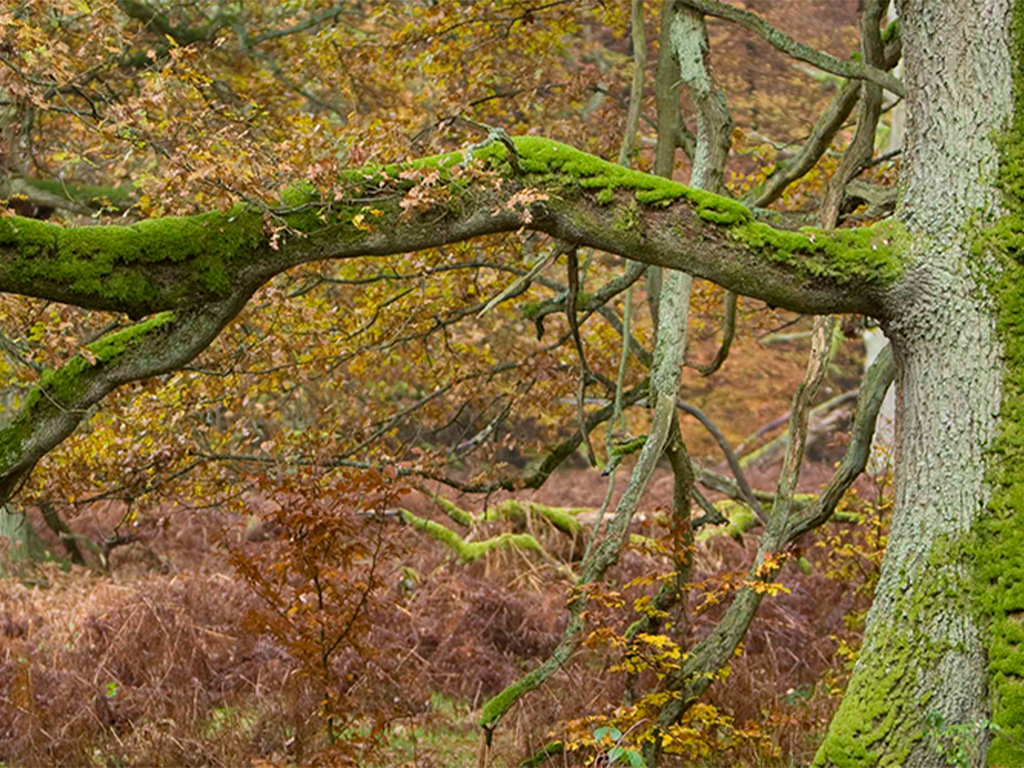
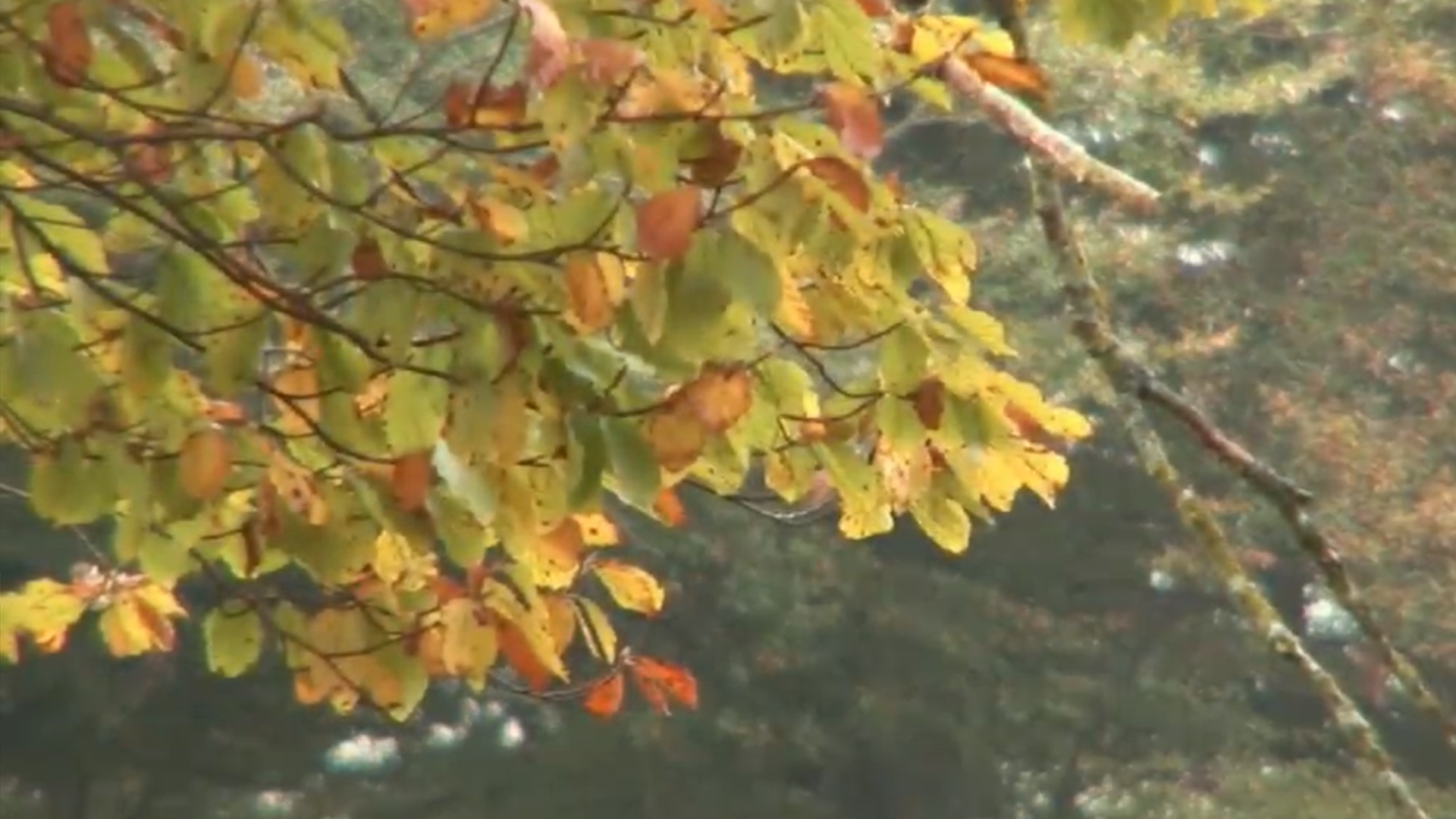
Autumn is a transitional period in which the days grow shorter and temperatures get colder. There are lots of different fruits which serve as food for the animals on trees and bushes in the forest and the park. It is the season when people harvest fruits and vegetables in their gardens. In the film, we are shown how nature changes in autumn. The pupils learn why the leaves turn orange and yellow and eventually fall off the trees. In a way that is easy to understand they are told how plants and animals prepare for the coming winter. Various animals are introduced that are storing up winter supplies and looking for a place for hibernating. In addition, the film shows how the harvested fruit can be used for cooking or crafting. The most important festivals – the harvest festival, Halloween and Saint Martin’s festival – are explained. Besides didactic and methodical considerations, also a wealth of most varied suggestions is available in the accompanying material indicating how to work on this topic in a multifaceted and holistic way and how to rediscover it.
Play trailer
- <> Languages: DE, EN, TR
- <> Target Groups: ELE, FÖ, GRU, GS
- <> Subject: Preschool
- <> Length: 31:57 min
- View in learning platform
Licenses
Curriculum-centred and oriented towards educational standards
Matching
Grundschule 1-4, Vol. 2
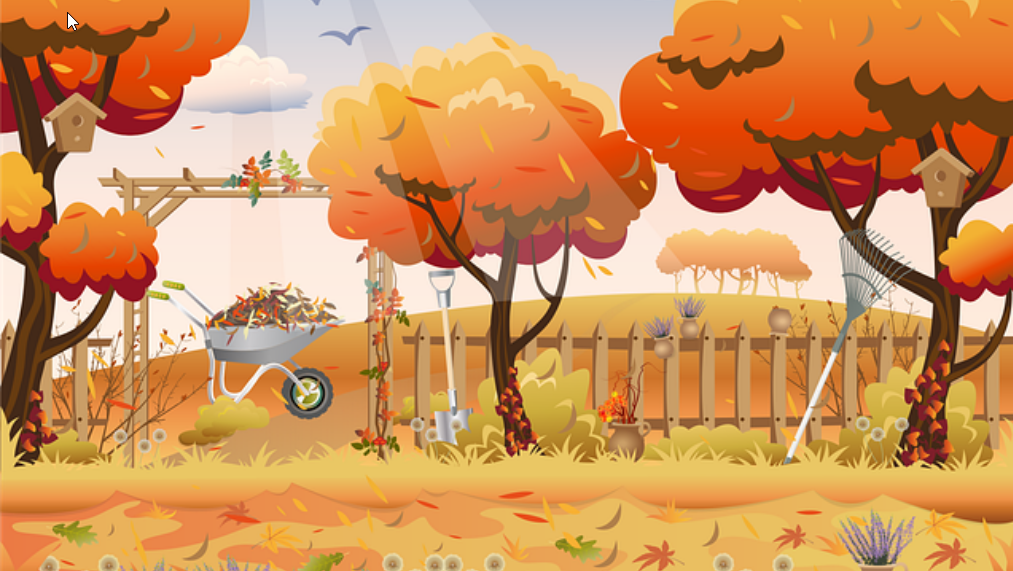
In 50 interaktiven Aufgaben wird Schülerinnen und Schülern der 1. bis 4. Jahrgangsstufe das Thema Herbst von unterschiedlichen Seiten beleuchtet.
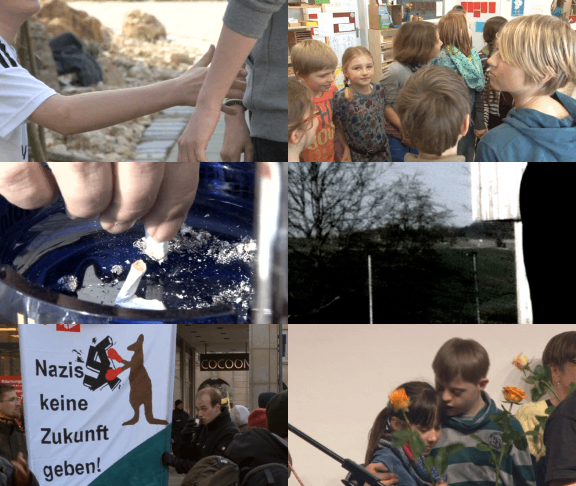
Tolerance
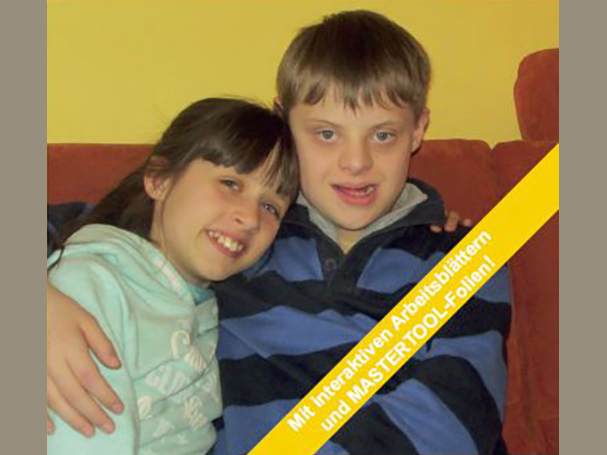
“Tolerance means being generous and kind to other people and helping them, too.”
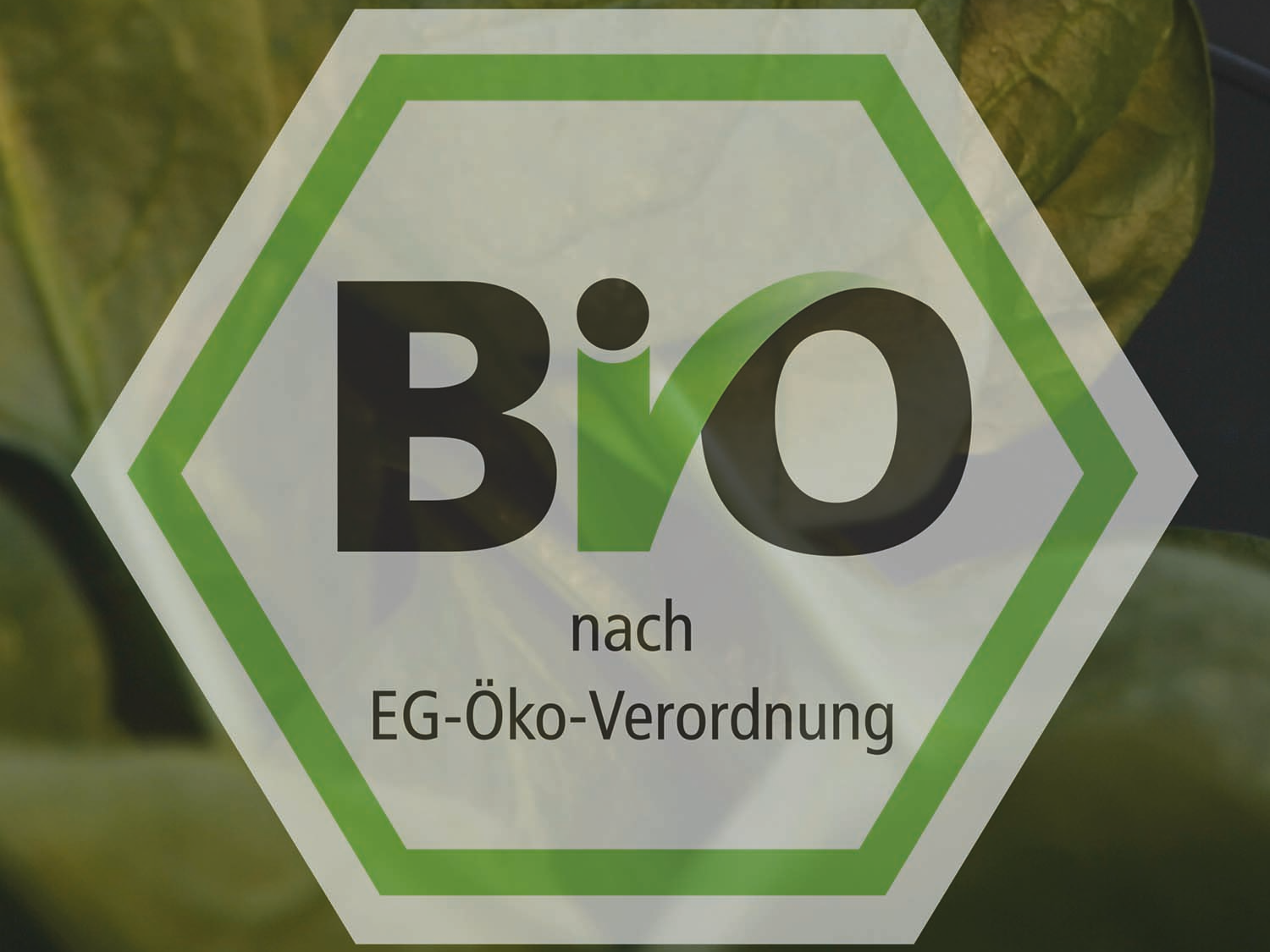
Seal of approval
Quality seals such as the "Bio-Siegel", "Blauer Engel", "Stiftung Warentest" and up to 1,000 other seals represent characteristics such as sustainability, health or safety with regard to a product, a service or even a company.