







 Media Education, Society

46503502 / 55502976
Fake News
Glaubwürdigkeit in den Medien
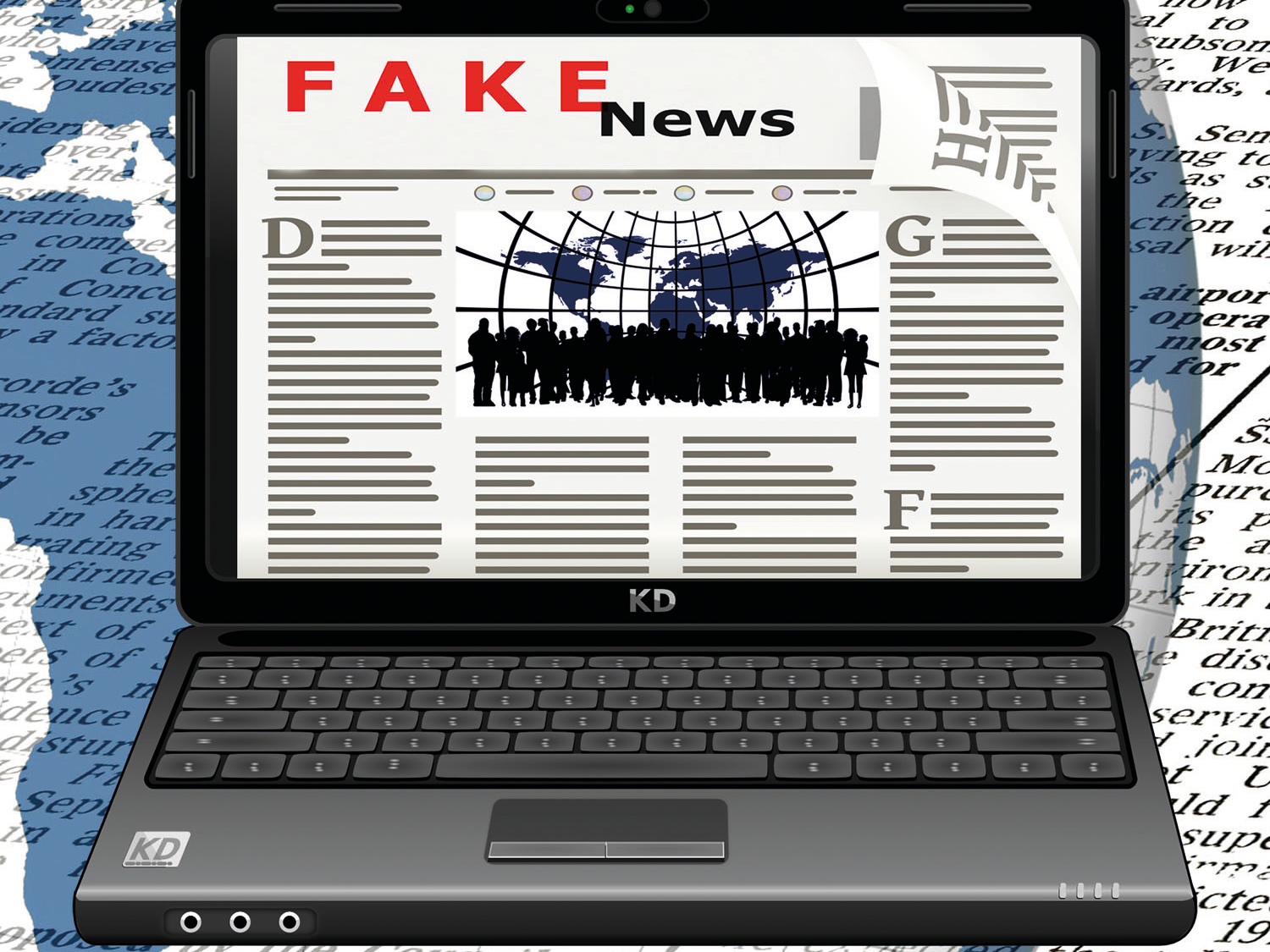
Otto von Bismarck sagte einst: „Es wird niemals so viel gelogen wie vor der Wahl, während des Krieges und nach der Jagd.“ Auch er selbst nutzte gefälschte Nachrichten, heute nennt man sie „Fake News“, um einen politischen oder strategischen Vorteil zu erlangen. Der Film untersucht das Phänomen der „Fake News“ zunächst aus historischer, dann aus gesellschaftlicher Perspektive. Ein Schwerpunkt des Filmes, in dem zahlreiche Politiker:innen zu Wort kommen, ist das Erkennen von „Fake News“, die mit den sozialen Medien ungeheure Verbreitung erfahren und, man sieht es in der Corona-Pandemie, auch ungeheure Sprengkraft entfalten können. In Verbindung mit dem umfangreichen Zusatzmaterial (Arbeitsblätter, Testfragen, Glossar, interaktive Aufgaben) lässt sich das Medium hervorragend im Unterricht verwenden. Testfragen, Glossar und interaktive Aufgaben wurden mit H5P erstellt und können ohne weitere Software verwendet werden.
Play trailer
- <> Languages: DE
- <> Target Groups: Sek I
- <> Subject: Media Education, Society
- <> Length: 19:35 min
- View in learning platform
Licenses

Curriculum-centred and oriented towards educational standards
Matching

Racism
Do you perhaps know that?
Youth Movement
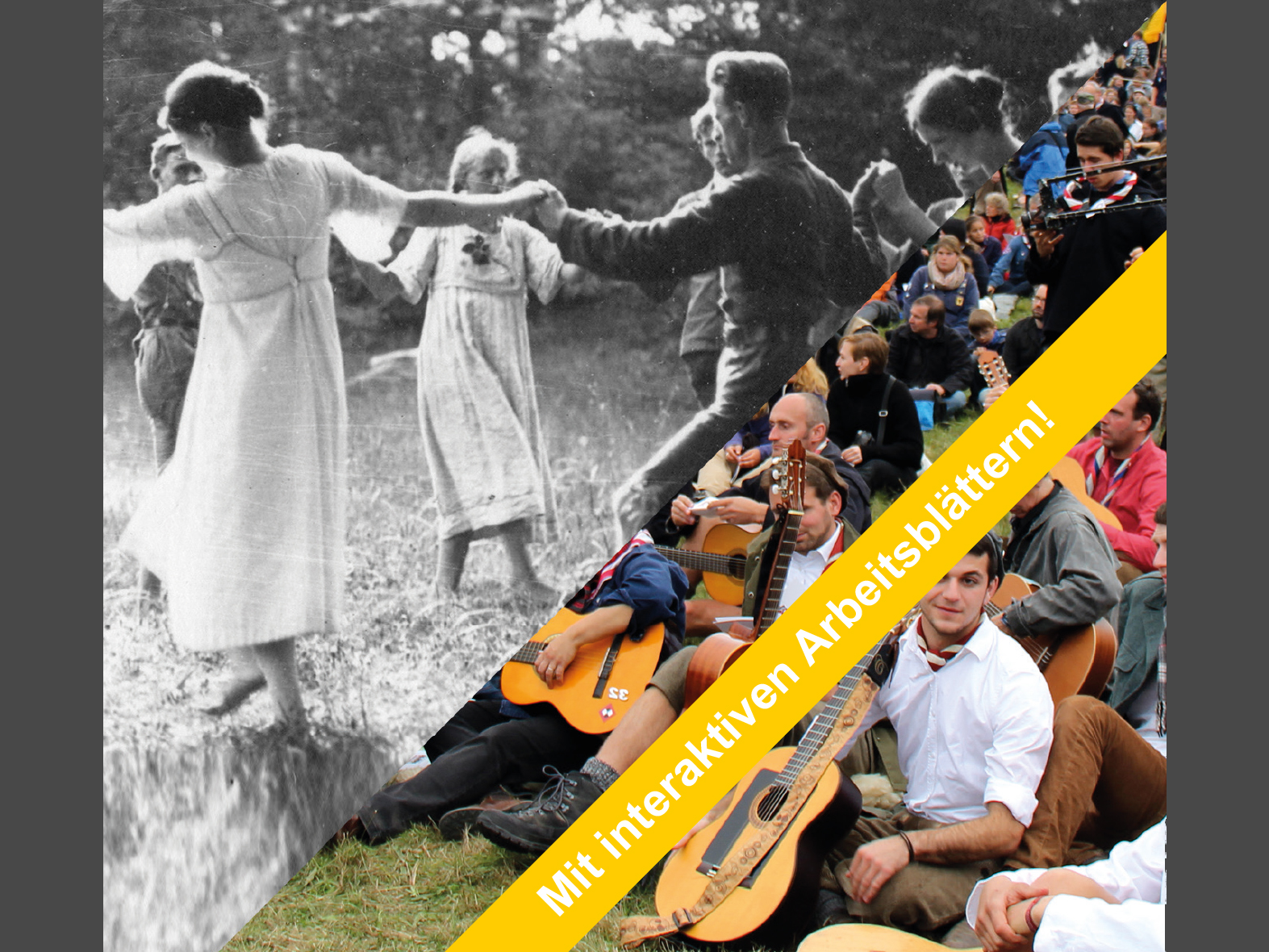
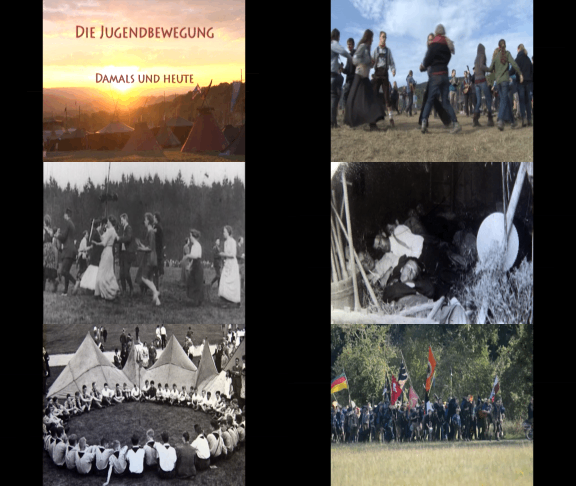
Dancing until your feet hurt: Here, at the meeting on the Hoher Meissner near Kassel, 3,500 participants from Boy Scout associations, youth and Wandervogel groups from all over the German-speaking region have gathered. They want to celebrate, simply get to know each other and commemorate a historic anniversary.

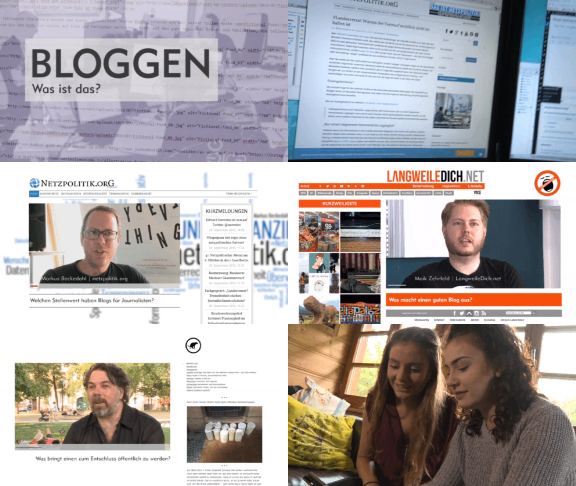
Blogging
The weblog or blog, for short, as a medium is not much older than this century. Blogs came into being in the World Wide Web as ’messages from below’, as web pages from web creators who wanted to share their view of the world with the world. They are short notes, long texts, pictures, videos, which are posted loosely and at random intervals to the world for an undefined public.