







55502590
Hitler und das „Dritte Reich“
In 12 interaktiven Aufgaben und Videos wird Wissen über Hitler und das „Dritte Reich“ vermittelt und anschließend abgefragt.
Das Medium bietet H5P-Aufgaben an, die ohne zusätzliche Software verwendbar sind.
Durch interaktive Aufgabentypen wird das audiovisuelle und interaktive Lernen einfach.
Lernen macht jetzt Spaß!
Included Tasks
- I Der Weg zur Macht – Tabellarischer Lebenslauf – Zeitleiste
- II Von den Wiener Jahren bis zur Gründung der NSDAP – Interaktive Aufgaben
- III Der Hitler-Putsch – Interaktive Aufgaben mit Video
- IV Machtübernahme: Hitler wird Kanzler – Interaktive Aufgaben mit Video
- V Ende des Rechtsstaats – Finde die Bildpaare
- VI Niedergang – Tabellarischer Lebenslauf – Zeitleiste
- VII Nürnberger Gesetze – Interaktive Aufgaben
- VIII Judenverfolgung – Bildkarten
- IX Der Zweite Weltkrieg – Interaktive Aufgaben mit Video
- X Operation Barbarossa – Finde die Bildpaare
- XI Endgültige Niederlage – Interaktive Aufgaben
- XII Geburtstag; Hochzeit; Tod – Interaktives Video
Curriculum-centred and oriented towards educational standards
Matching


Celts
The term “Celts“ refers to a great number of different ethnic groups. So we do not speak of one “Celtic people”, at any rate not according to modern ethnic criteria, but rather of tribes within the circle of Celtic culture.


Early Capitalism
Today we live in a capitalist society.
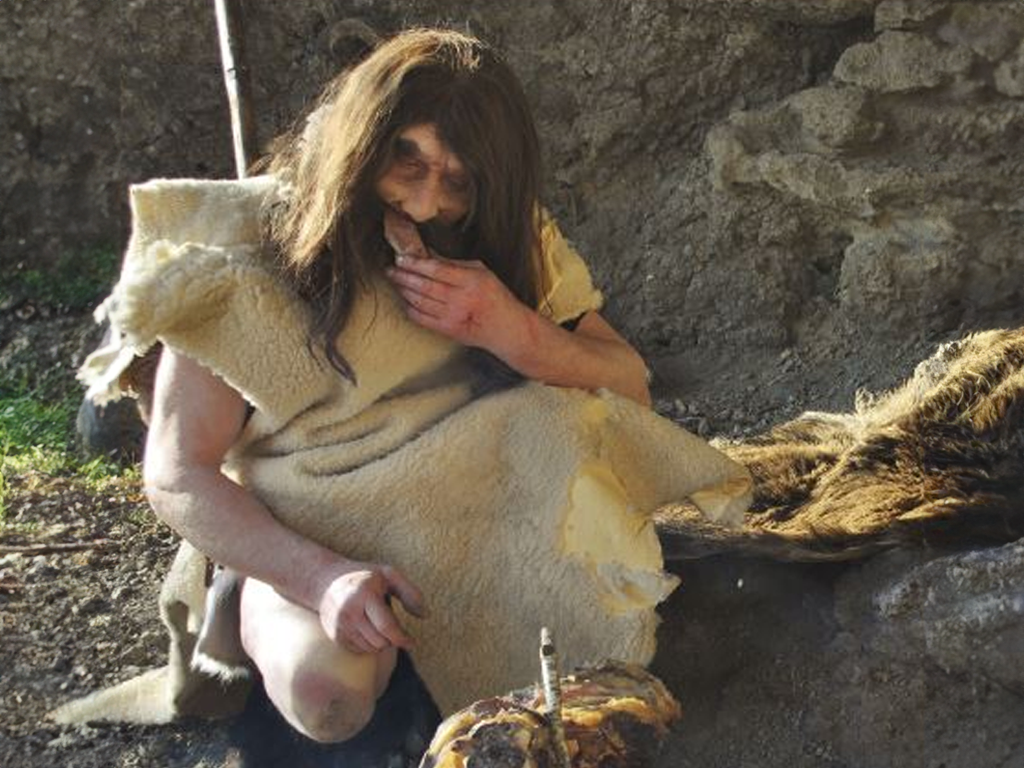

Neanderthal Man
For 250,000 years the Neanderthal dominated Europe during the last glacial period until he died out about 30,000 years ago.