







55502476
Plastik
In 14 interaktiven Modulen wird das Thema Plastik vermittelt und anschließend abgefragt.
Das Medium bietet H5P-Aufgaben an, die ohne zusätzliche Software verwendbar sind.
Durch interaktive Aufgabentypen wird das audiovisuelle und interaktive Lernen einfach.
Lernen macht jetzt Spaß!
Included Tasks
- I Eigenschaften von Plastik - Interaktives Video
- II Alternativen zum Plastik - Video und interaktive Aufgaben
- III Werkstoff auf Kohlenstoffbasis - Video und interaktive Aufgaben
- IV Arten von Plastik - Bildzuordnung
- V Recycling von Plastik - Interaktives Video
- VI Plastik - Wortsuche
- VII Kunststoff-Recycling - Interaktive Aufgabe
- VIII Struktur der Kunststoffe - Bildzuordnung
- IX Biokunststoff und andere Ideen für die Zukunft - Interaktive Aufgaben
- X Der Grüne Punkt - Interaktive Aufgabe
- XI Vorteile der Verwendung von Kunststoffen - Lückentext
- XII Kunststoffe im Meer - Video mit Aufgaben
- XII Kunststoffverzicht im Alltag - Interaktive Aufgbe
- XIV Kunststoffarten - Interaktive Aufgabe
Curriculum-centred and oriented towards educational standards
Matching
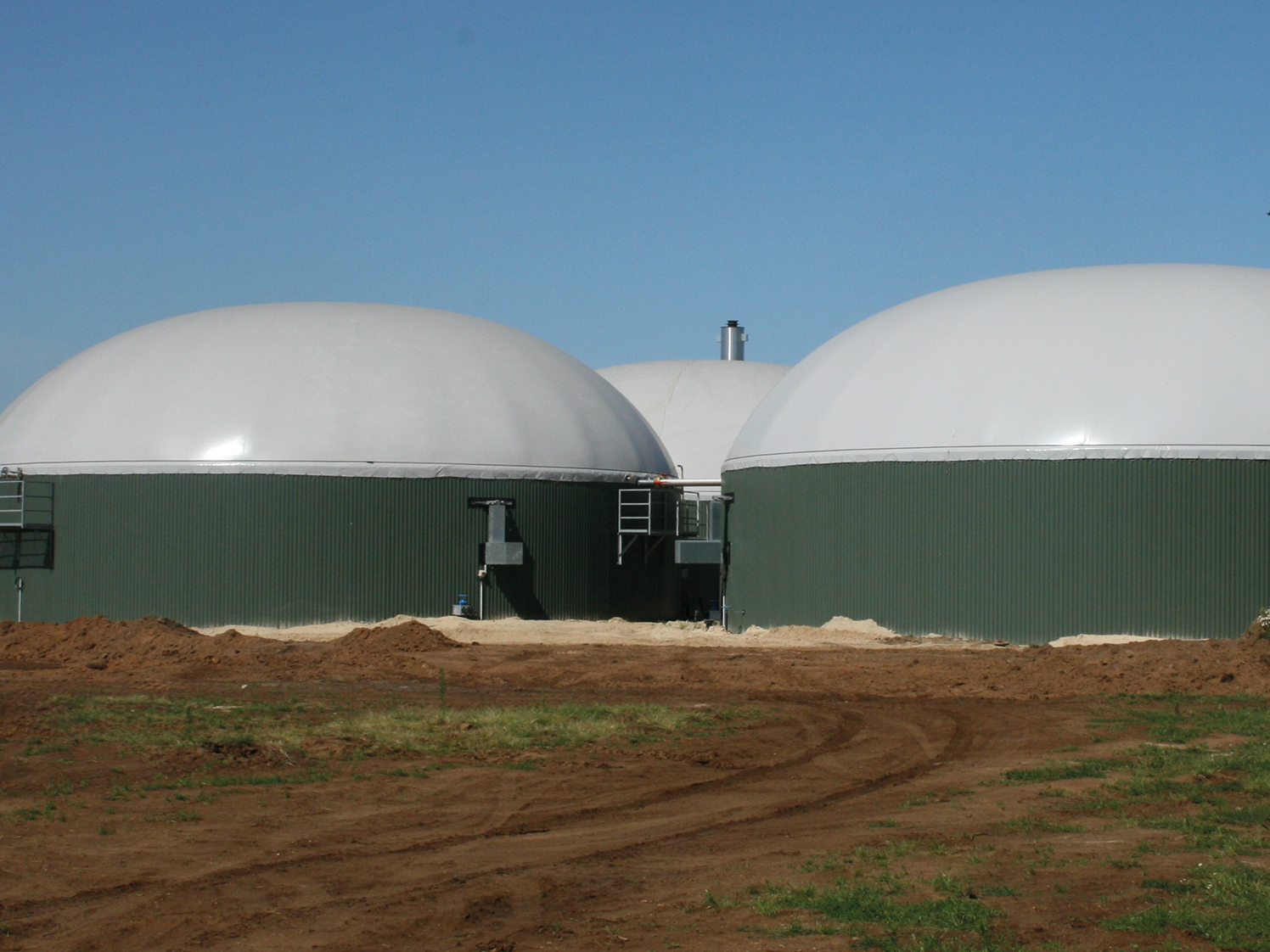
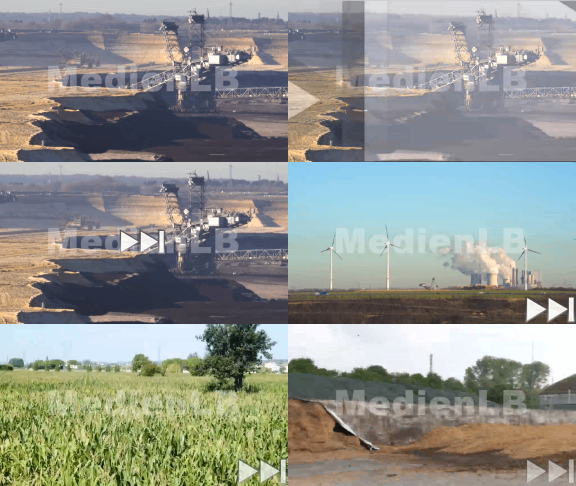
Biogas
In our modern lives, we are dependent on a regular supply of energy.
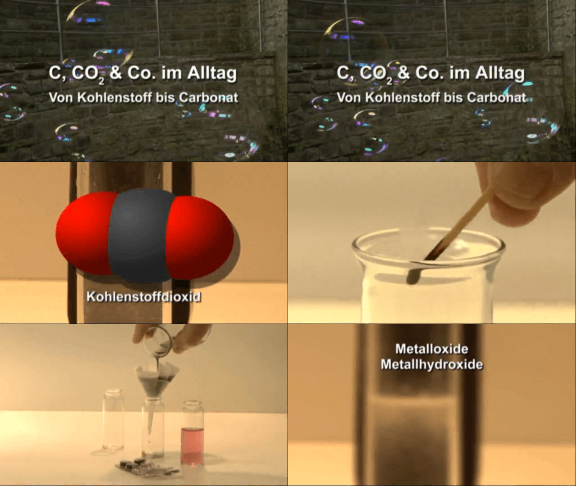
C, CO2 and Associates in Everyday Life
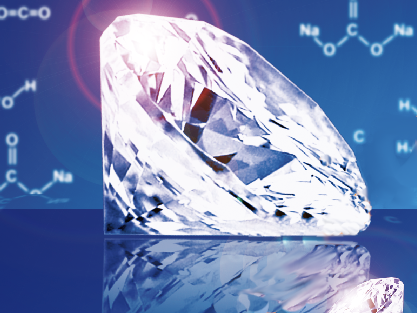
All organic matter contains carbon. Coal is deposited in the Earth's interior. It developed about 300 million years ago from plants in a geological period which is also called Carboniferous. During the combustion of organic matter, carbon turns into the gas carbon dioxide. Dissolved in water, it becomes the so-called carbonic acid. Carbon dioxide is an incombustible, colourless and odourless gas that is easily dissolved in water. With various metal oxides or hydroxides it forms two types of salts: the carbonates and the hydrogen carbonates. As calcium carbonate it is contained in natural products such as chalk and egg shells. Specific forms of carbon, called modifications, are graphite and also the particularly valuable diamond.
Aluminium I
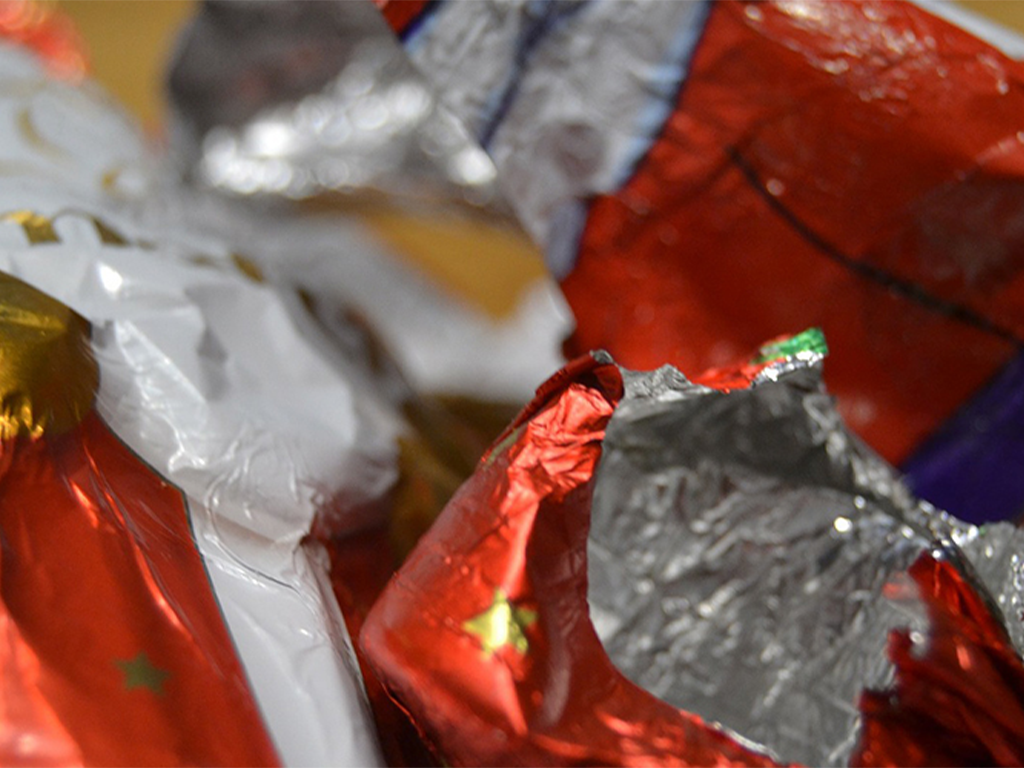
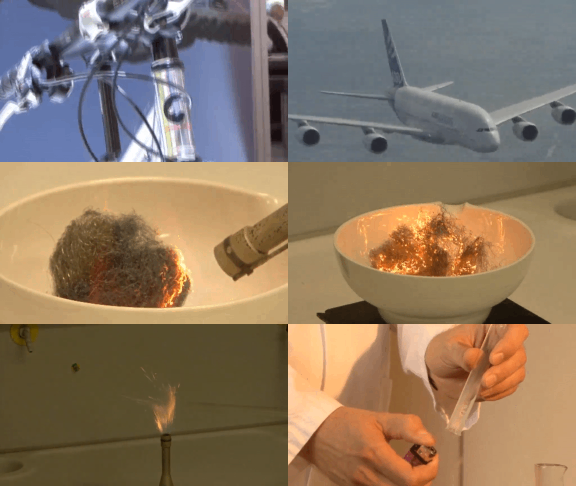
In the modern world, we encounter aluminium at every turn. This is due to the particular properties of the metal. Increasingly, aluminium is about to edge iron and steel out of engineering, as aluminium allows energy-saving lightweight construction of aircraft and vehicles of all kind. Aluminium is weather-resistant, does not rust and is therefore well suited as building material for house facades, window frames or simply for all parts that are exposed to wind and weather. At the same time, aluminium has a noble-looking surface recommending it as material for interior design.