







55502451
Pflanzen unserer Heimat
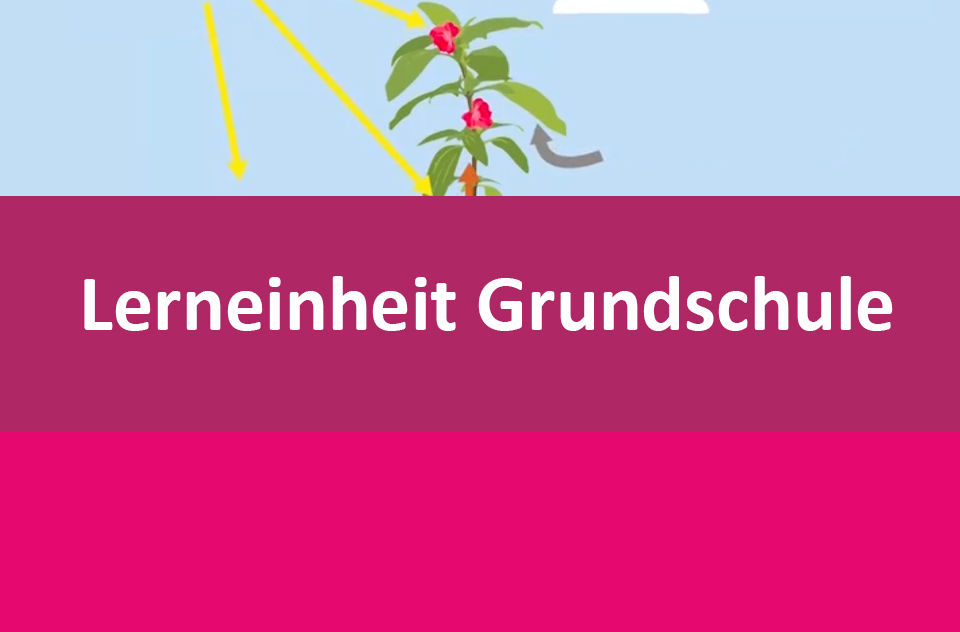
In 10-15 interaktiven Modulen wird für Grundschulkinder Wissen zu heimischen Pflanzen vermittelt und anschließend abgefragt.
Included Tasks
- I Teile der Pflanzen - interaktive Aufgabe
- II Wurzeln der Pflanzen - Lückentext
- III Bildpaare mit Pflanzen finden - interaktive Aufgabe
- IV Sprossachsen - Lückentext
- V Fotosynthese - interaktives Video
- VI Teile der Blüte - interaktive Aufgabe
- VII Küstenpflanzen suchen - interaktive Aufgabe
- VIII Früchte zuordnen - interaktive Aufgabe
- IX Pflanzen: am See oder im Wald? - interaktive Aufgabe
- X Vielfalt durch Blumen - interaktive Aufgabe
Curriculum-centred and oriented towards educational standards
Matching

First Communion
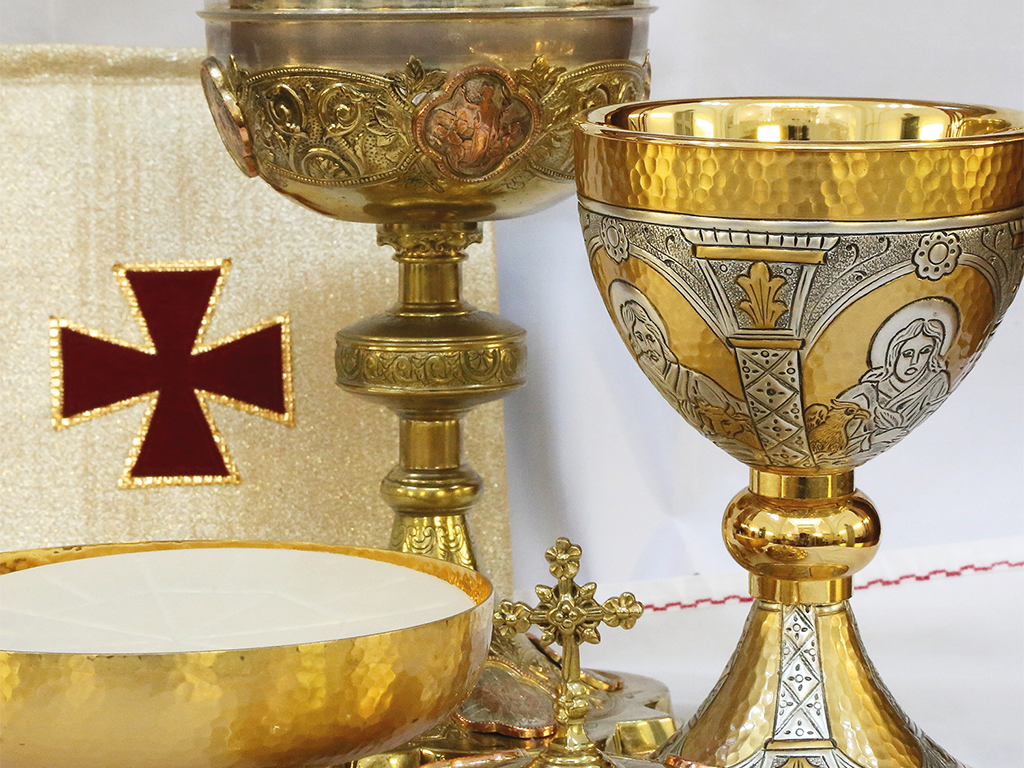
At Annabelle’s home. She is nine years old and attends the third class. At this age, most children wish to celebrate their First Communion. Together with her mother Alice, Annabelle is preparing the bread dough today because they will discuss an important topic in communion class – the last supper that Jesus celebrated with his disciples. Alice is in charge of the group lesson. This means she prepares her daughter and five other children for First Communion.

Our Solar System
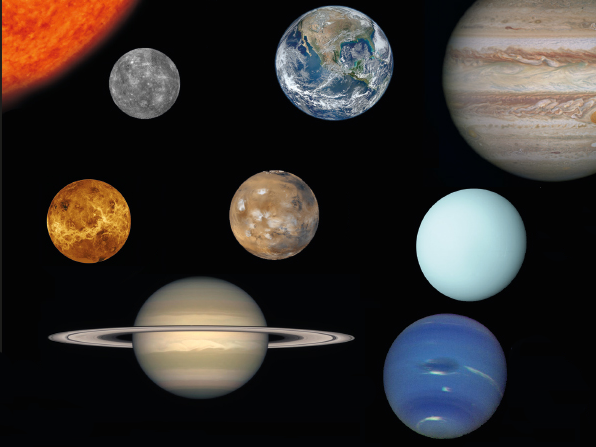
Looking up at the cloudless night sky is something special. It is a spectacle that we are offered free of charge every clear night.
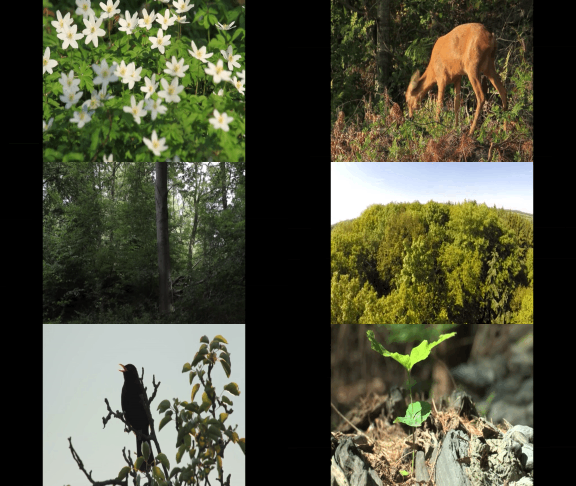
Structure of the Forest
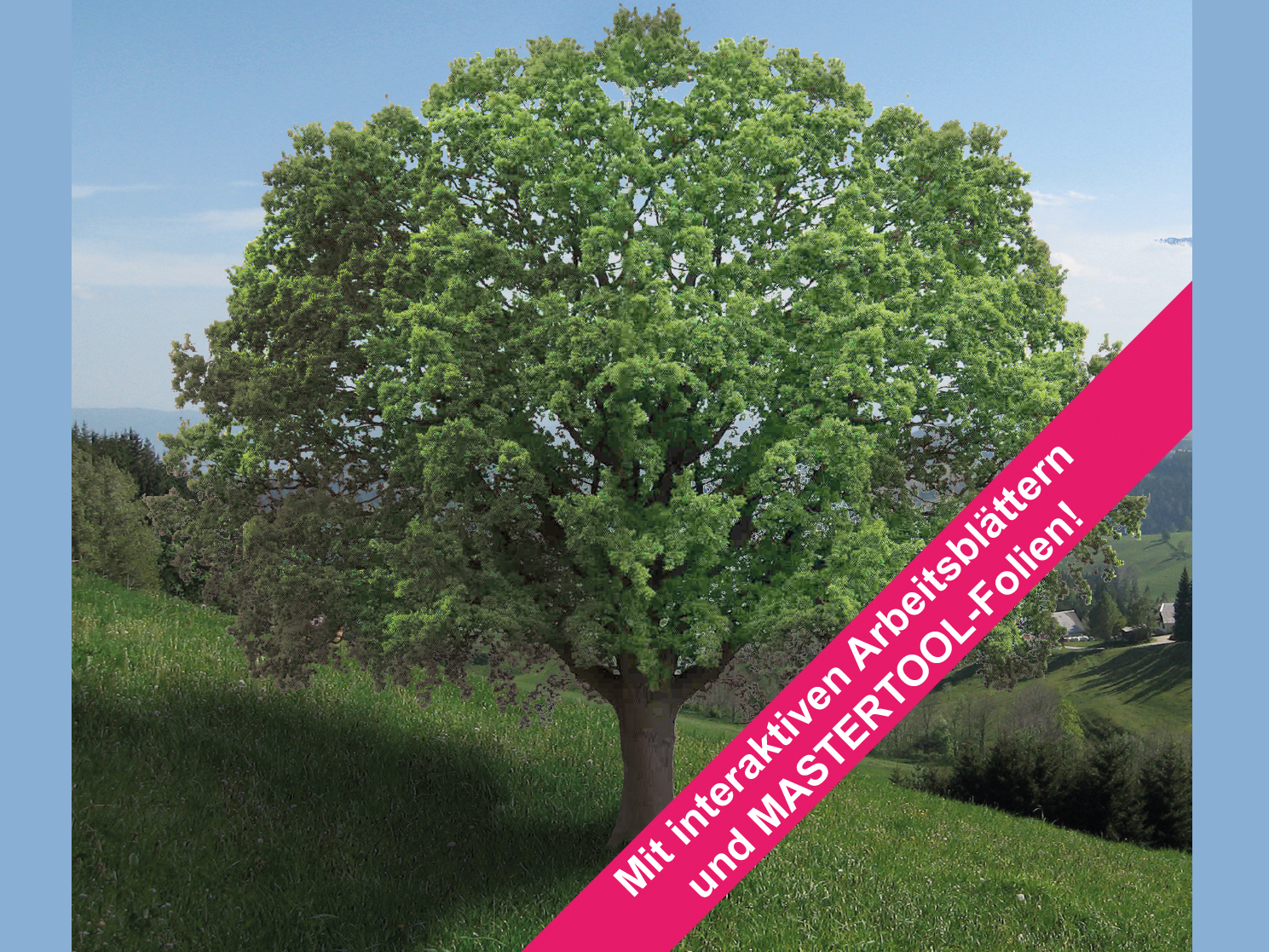
Forests are more than an accumulation of trees. The individual tree is more than a valuable source of wood. From its roots to its crown, it offers habitats to a variety of the most different creatures. The older a tree, the more valuable it becomes to many forest inhabitants. And even in death it is still full of life. If you take a closer look at a forest, you notice that the plants grow to different heights. They form storeys like those of a house. At the top level there are only the big trees. From a bird’s perspective we see that the highest specimens in the forest form a closed canopy. In summer, the treetops resemble big parasols shading the forest floor. Depending upon how much sunlight filters into the depths, this has consequences for the forest vegetation.