







55502446
Bäume unserer Heimat
In 10-15 interaktiven Modulen wird für Grundschulkinder Wissen zur heimischen Bäumen vermittelt und anschließend abgefragt.
Included Tasks
- I Laub- oder Nadelbaum? - interaktive Aufgabe
- II Die Rinde der Bäume - interaktive Aufgabe
- III Baum-Quiz - interaktive Aufgabe
- IV Bäume verändern sich - interaktive Aufgabe
- V Bäume und ihre Namen - Finde die Paare - interaktive Aufgabe
- VI Früchte und Blätter - interaktive Aufgabe
- VII Baumsuche im Buchstabengitter - interaktive Aufgabe
- VIII Nahrungsbausteine der Bäume - interaktive Aufgabe
- IX Baumstamm; Rinde; Borke - Lückentext
- X Blüten; Früchte; Samen - Lückentext
- XI Vom Holz und vom Alter der Bäume - interaktives Video
- XII Heimische Bäume - Bildkarten
Curriculum-centred and oriented towards educational standards
Matching
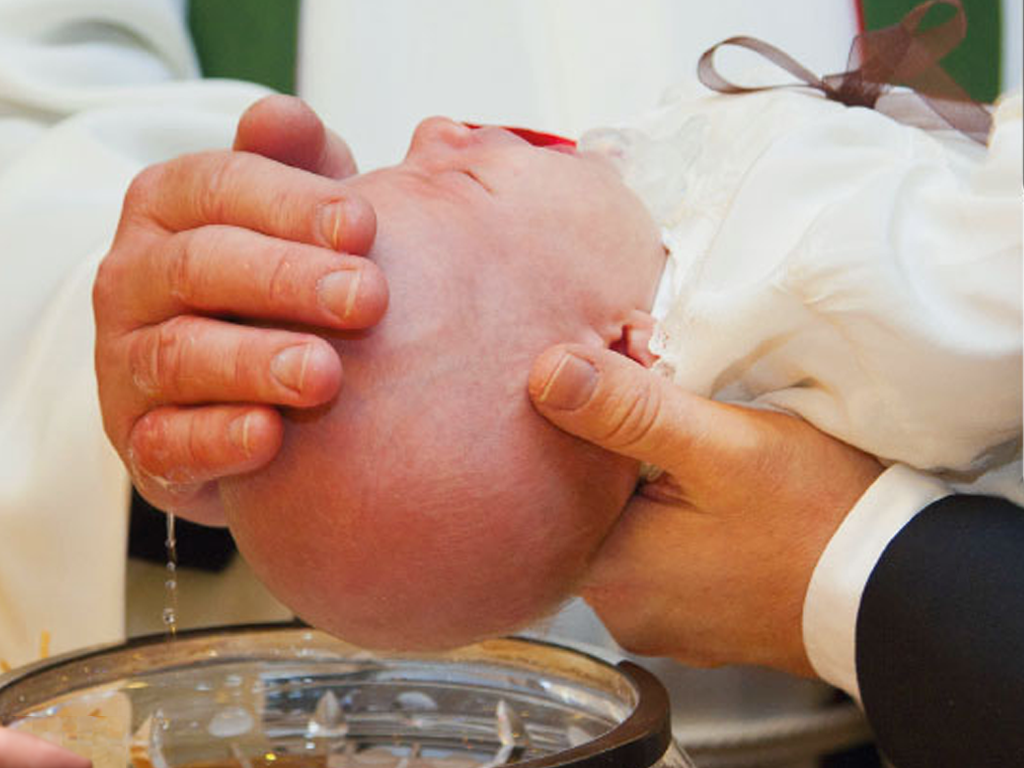
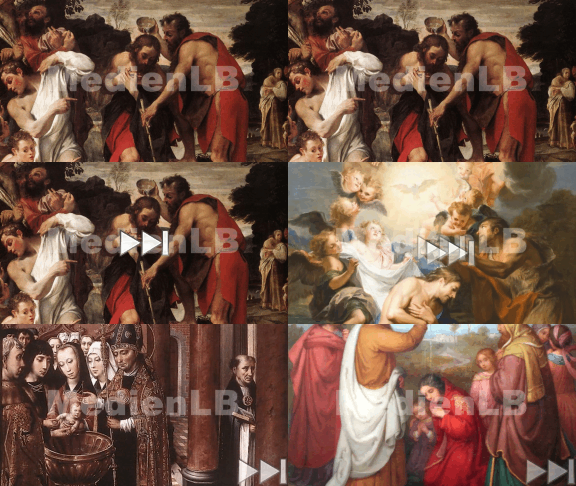
Catholic and Protestant Baptism
As an important ritual of the Christian faith, baptism is closely connected with the traditional stories of the prophet John the Baptist, who is said to have lived in Jesus’ lifetime. John baptised people in the River Jordan, located at the present-day border between Israel and Jordan in the Middle East. Baptism and water were symbols of people’s confession of past sins and return to the right track in life. One day, Jesus and some of his disciples are said to have come to John to have themselves baptised.
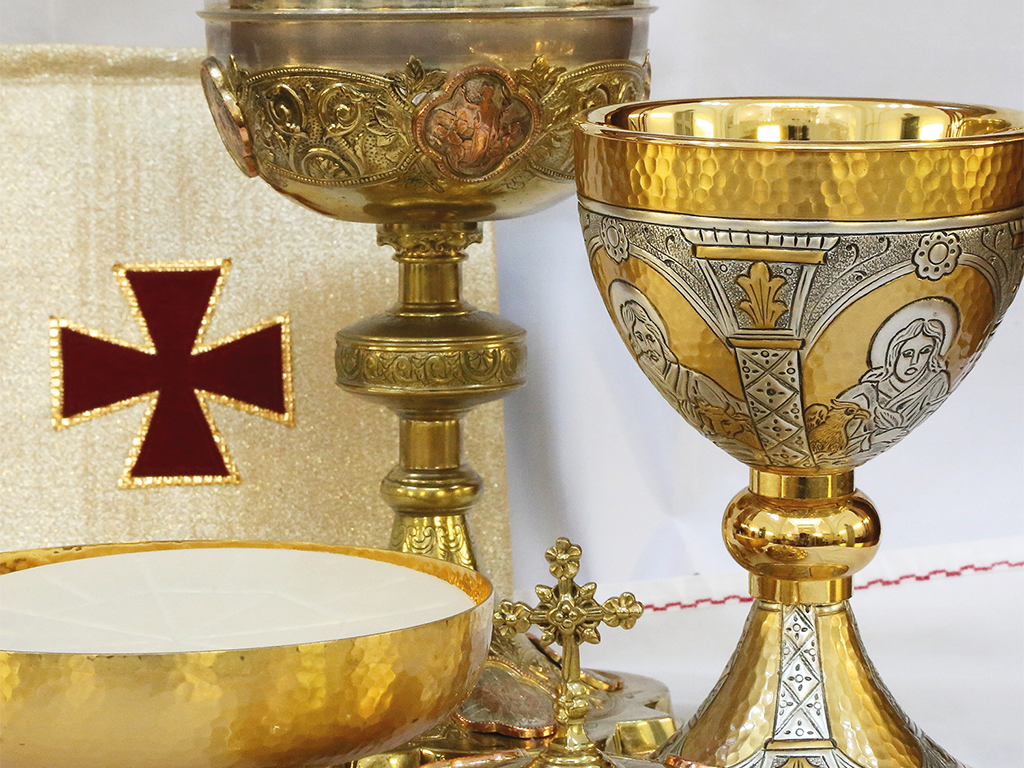
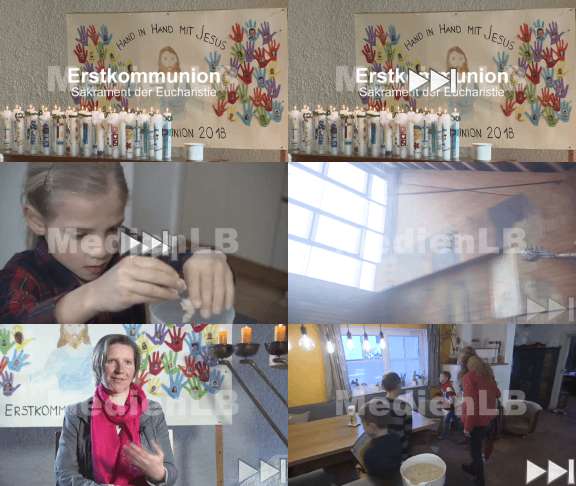
First Communion
At Annabelle’s home. She is nine years old and attends the third class. At this age, most children wish to celebrate their First Communion. Together with her mother Alice, Annabelle is preparing the bread dough today because they will discuss an important topic in communion class – the last supper that Jesus celebrated with his disciples. Alice is in charge of the group lesson. This means she prepares her daughter and five other children for First Communion.
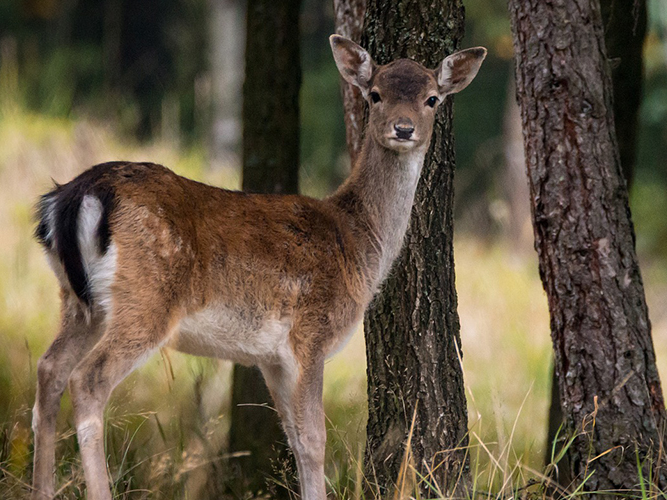
Animals in the Forest
The forest is home to many animals.