







 Primary School

Haushaltswissen

55504558
Haushaltswissen
Für den Unterrichtempfohlen
In unserem Arbeitsheft Sachunterricht 3/4 – Haushaltswissen finden Sie 50 interaktive und didaktisch aufbereitete Aufgaben.
Das Medium bietet H5P-Aufgaben an, die ohne zusätzliche Software verwendbar sind. Das Medium enthält interaktive Videos und 50 H5P-Aufgaben zum Thema Haushaltswissen.
Durch interaktive Aufgabentypen wird das audiovisuelle und interaktive Lernen einfach.
Lernen macht jetzt Spaß!
- <> Languages: DE
- <> Target Groups: GRU
- <> Subject: Primary School
- <> Tasks: 50
Licenses
Included Tasks
- 1. Haushaltswissen - Was ist das?
- 2. Welche Aufgaben fallen wo im Haushalt an?
- 3. Die Küche - Grundausstattung
- 4. Hygiene im Haushalt: Küche - Video und Aufgaben
- 5. Der Nutri-Score: Wie funktioniert der?
- 6. Viel oder wenig Kalorien?
- 7. Nahrungsmittel nach Inhaltsstoffen ordnen
- 8. Lebensmittelverpackungen - Was steht drauf?
- 9. Was bedeutet eigentlich "Bio"?
- 10. Das Mindesthaltbarkeitsdatum - Interaktives Video
- 11. Schimmel und Co. - Verdorbene Lebensmittel
- 12. Warum darf man manche Lebensmittel nicht roh verzehren?
- 13. Ein Ei kochen - Schritt für Schritt
- 14. Nudelsuppe selber machen
- 15. Nudeln mit Käse
- 16. Pizza selber machen
- 17. Wie backe ich Pfannkuchen? - Interaktives Video und Aufgaben
- 18. Gesund und ausgewogen einkaufen
- 19. Die Spülmaschine - unser praktischer Küchenhelfer!
- 20. Geräte-Raten
- 21. Elektrizität im Alltag
- 22. Steckdose oder Batterie?
- 23. Stromsparen im Alltag
- 24. Fruchtfliegen - woher kommen sie und wie werde ich sie los?
- 25. Hygiene im Haushalt: Händewaschen
- 26. Der richtige Umgang mit Messern
- 27. Gefahren im Haushalt vermeiden - Interaktives Video
- 28. Stofftiere selbst verarzten
- 30. Kleine Wunden reinigen und selbst versorgen 30. Nähen: Der Knopf ist ab!
- 31. Bügeln: Vom Flicken einer Hose
- 32. Richtig putzen: So geht's! - Interaktives Video
- 33. Ordnung macht Spaß?! Interaktives Video und Aufgaben
- 34. Wäsche waschen und zusammenlegen - Interaktives Video
- 35. Wäsche waschen (Wortgitter)
- 36. Fleckentfernung leicht gemacht!
- 37. Welches Putzmittel ist das richtige?
- 38. Achtung
- giftig! - Symbole auf Putzmittelflaschen
- 39. Sauber und streifenfrei - Fensterputzen leicht gemacht
- 40. Essig
- Soda und Natron - Hausmittel als Geheimwaffen
- 41. Kalk - woher kommt er und wie werde ich ihn los?
- 42. Wie putze ich meine Zähne richtig? - Interaktives Video
- 43. Zimmerpflanzen richtig pflegen
- 44. Mülltrennung in Deutschland
- 45. In welchen Müll gehört der Gegenstand?
- 46. Müllvermeidung: Tipps und Tricks - Interaktives Video
- 47. Wiederverwendung und Wiederverwertung
- 48. Glas-Trennung - Interaktives Video
- 49. Altglas sortieren
- 50. Müllvermeidung am Arbeitsplatz - Interaktives Video
Curriculum-centred and oriented towards educational standards
Matching
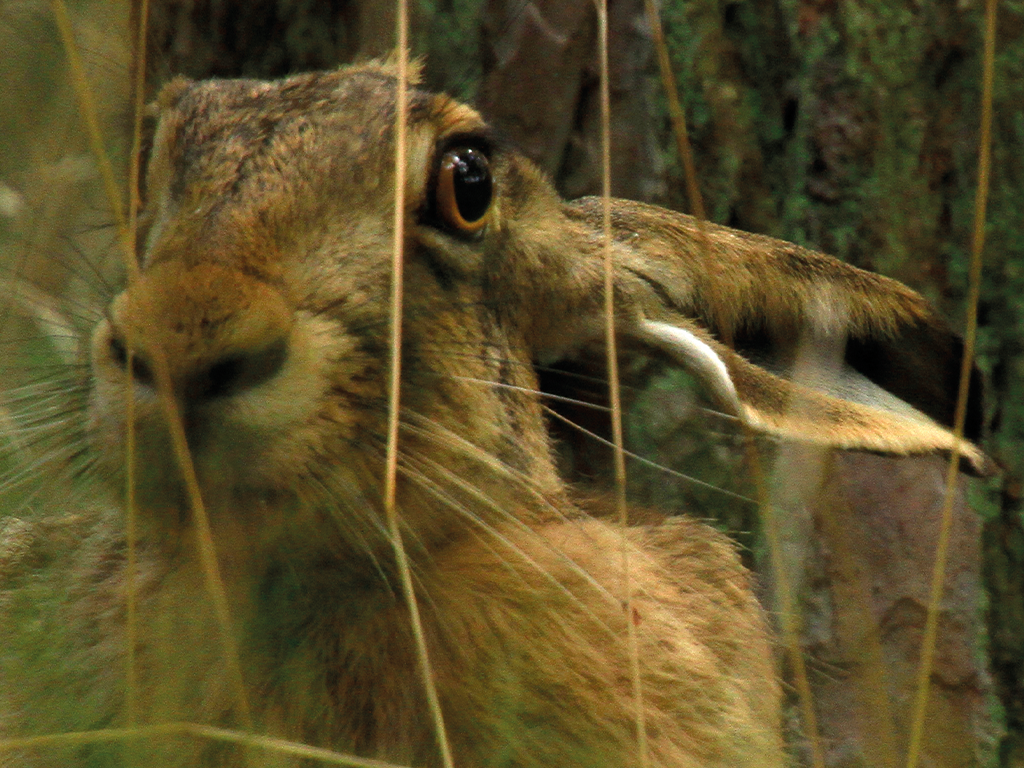
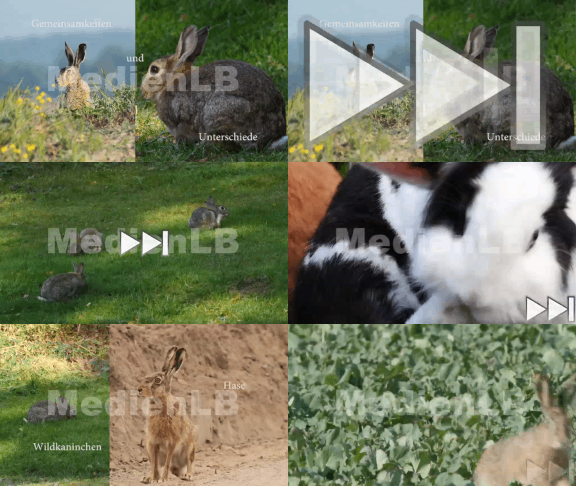
Hare and Rabbit
How do we distinguish between a hare and a rabbit? At first sight, both look confusingly alike for both have long ears and a stumpy tail.

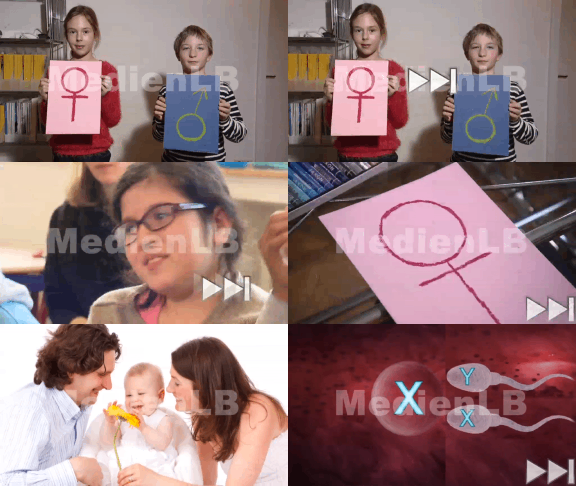
Typical Boy, Typical Girl
QUOTE girl:
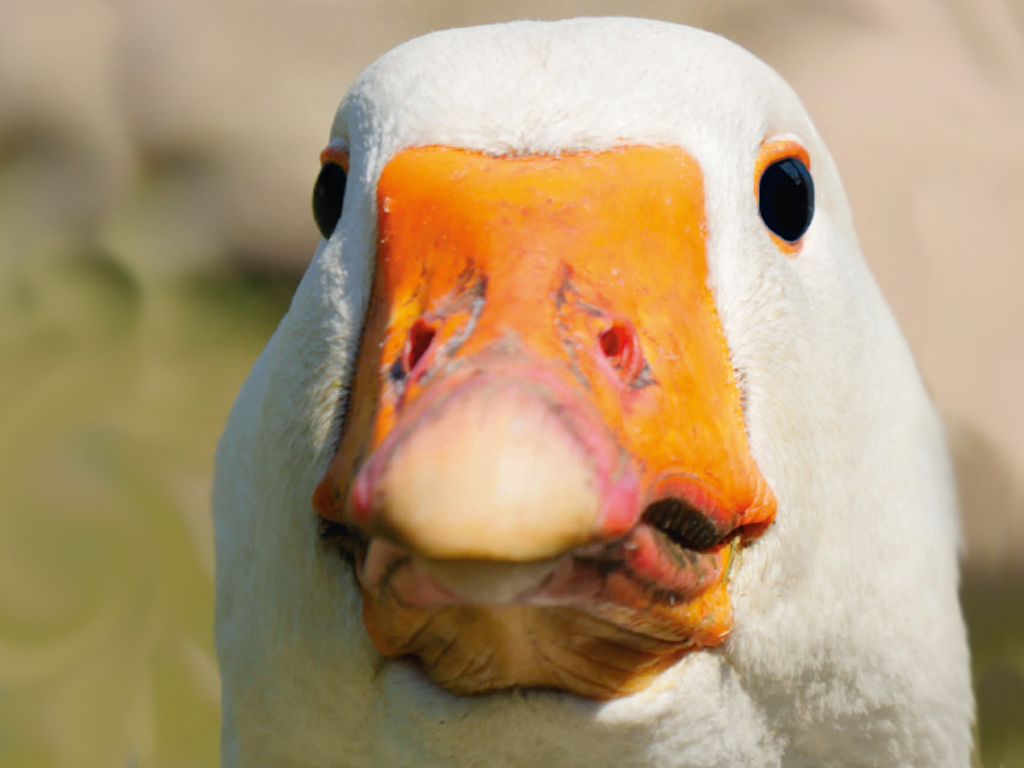
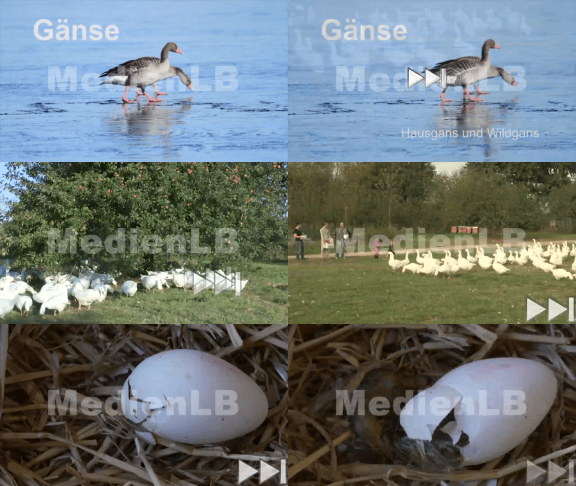
Geese
“They’re gabbling like geese”, “she’s such a stupid goose” or “silly goose”– those are commonly known sayings.