







55506135
Lerneinheit Chemie 8 – Kalk
In unserem Arbeitsheft „Lerneinheit Chemie 8 – Kalk“ finden Sie 10 interaktive und didaktisch aufbereitete Aufgaben zum Thema Kalk.
Über die Beschreibung der Entstehung und Funktion von Kalk, geben die Aufgaben Hinweis auf seinen Einsatz in der Industrie oder auch im Alltag.
Unterschiedliche Aufgabentypen dienen der Wissensvermittlung, Wissensvertiefung und der Lernstandabfrage.
Die Aufgaben sind mit H5P erstellt und können ohne zusätzliche Software angewandt werden.
Lernen macht jetzt Spaß!
Demo
Included Tasks
- Kalk - Seine Funktionen
- Kalk - Von der Entstehung bis zur Verwitterung
- Kalk - Abbau und Gewinnung
- Kalk - Einsatz in der Industrie
- Kalk im Alltag
- Kalk - Finde die Bildpaare
- Kalk - Schulversuche
- Kalk - Suchsel
- Kalk - Kreuzworträtsel
- Kalk - Teste dein Wissen
Curriculum-centred and oriented towards educational standards
Matching
Plastic
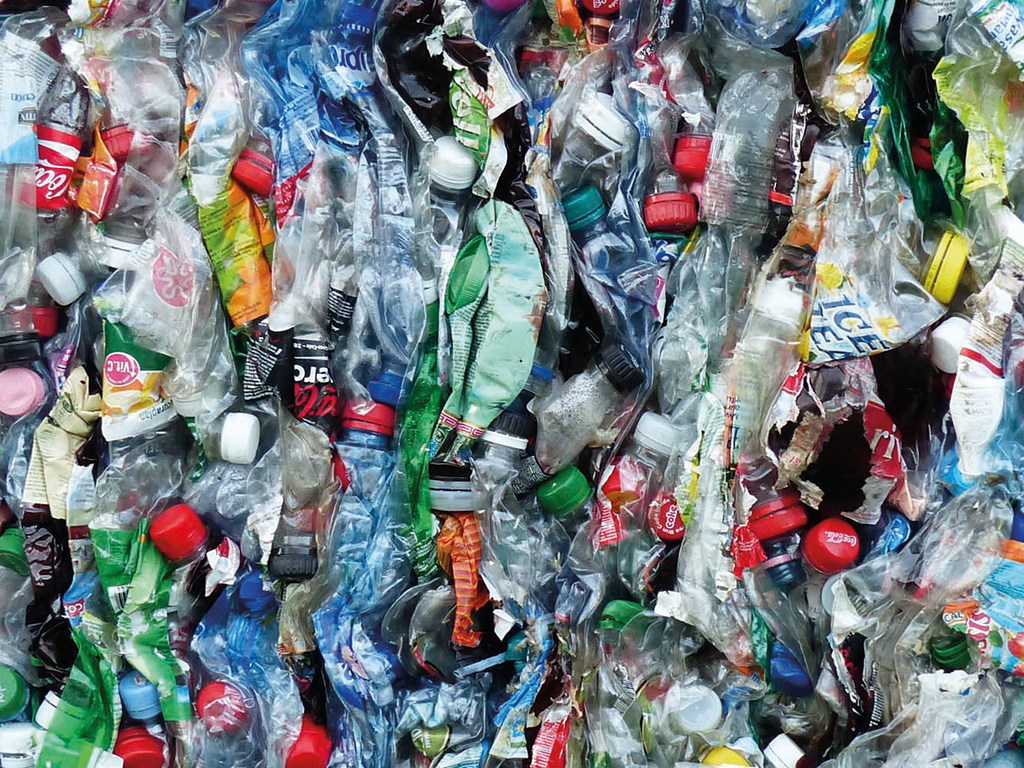
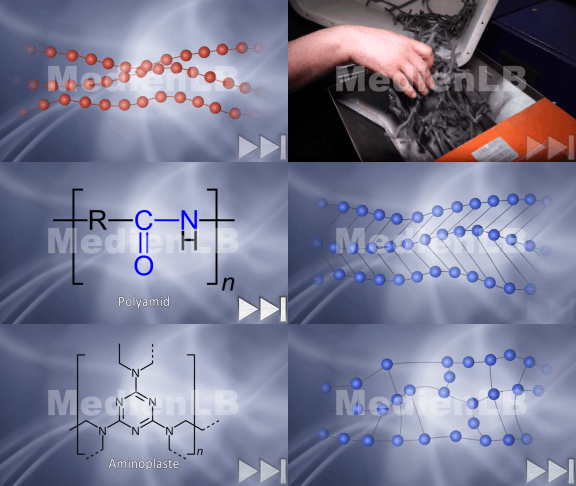
Plastic has been around for not longer than roughly 100 years, and the synthetic material is a brilliant invention. Its production is cheap, it can take almost any possible form, it is light-weight, versatile and, above all, inexpensive.
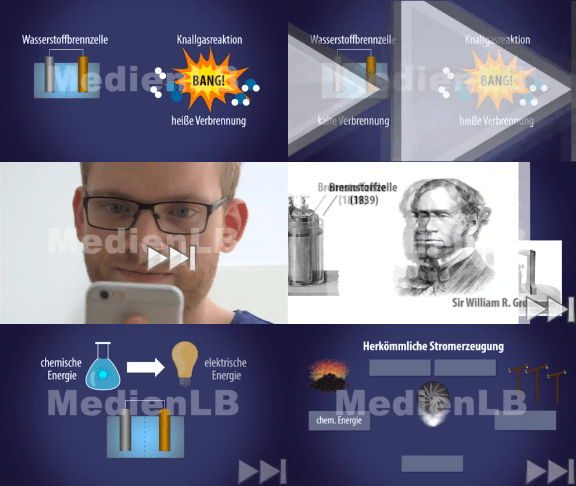
Fuel Cell
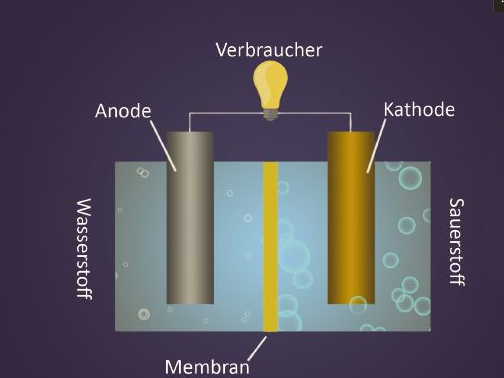
A smartphone offers a lot of opportunities nowadays. The numerous apps and applications may enrich your daily life but cost a lot of electricity. It is particularly annoying when the device fails at the most inconvenient moments. Conventional rechargeable batteries are often empty after one day already, and the device needs to be plugged in. Besides many others, also this problem could be solved by using fuel cells – thus considerably increasing the duration of the smartphone.
Halogens
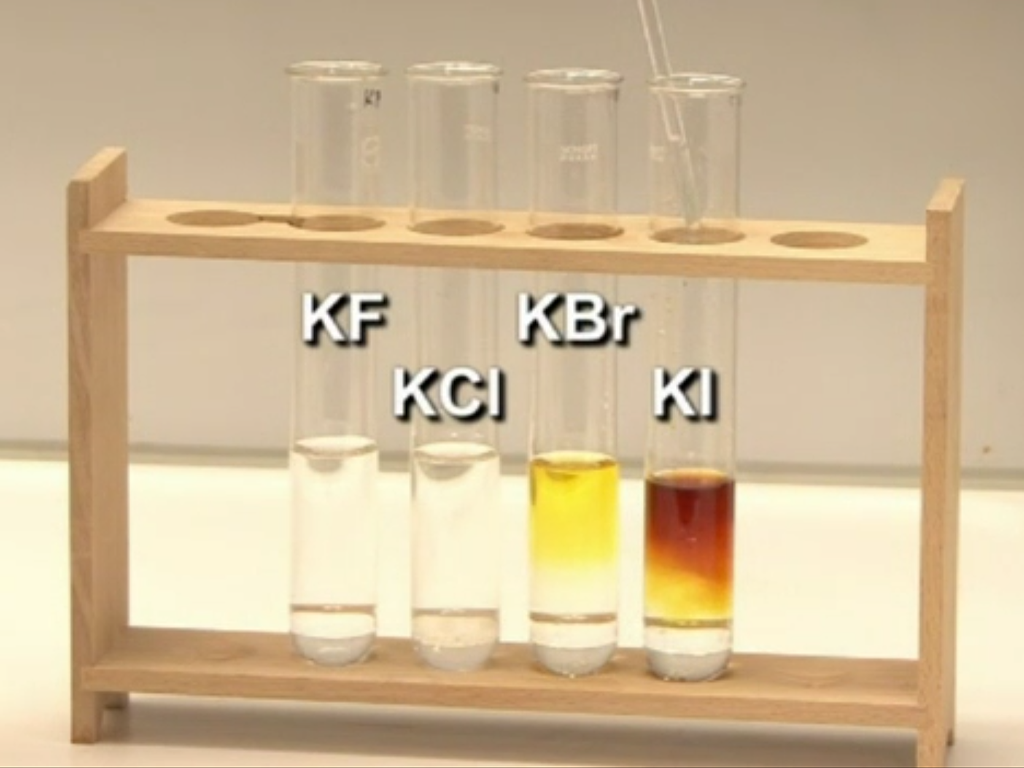
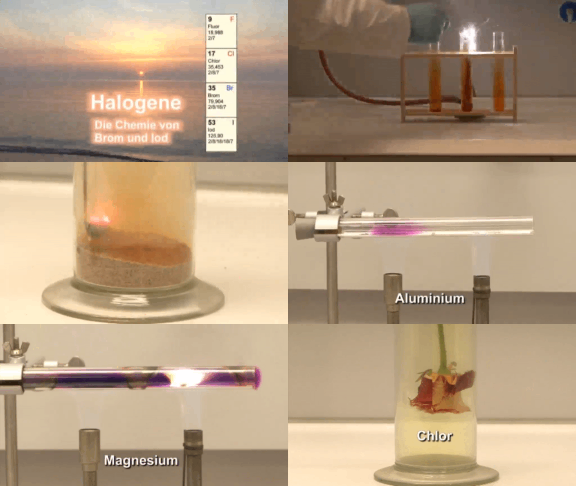
The compounds of halogens are - with the exception of astatine - widespread, can be encountered in nature and are versatile substances. This fact is taken up on this DVD in order to teach the students the chemistry of the halogens by illustrating their special qualities and explaining the correlation of their structure with their chemical properties. In the first part, an overview of the element group of halogens lays emphasis on the common as well as on the distinguishing characteristics of fluorine, chlorine, bromine and iodine. In a second part, the specific properties of bromine and iodine are presented. This topic is linked to the students‘ everyday experience on the one hand (bromine as a catalyst for reactolite sunglasses, iodine as an agent in medicine, etc.) on the one hand. As a rule, they are of a kind that can only be realized with difficulty, or high expenditure in the chemistry classroom. With the help of these experiments, students are introduced to the chemistry of the halogens in a way that enables them to draw conclusions on the basis of their observations.