





Chemistry
4671500 / 5561348
Fascination Lime
Formation and Application
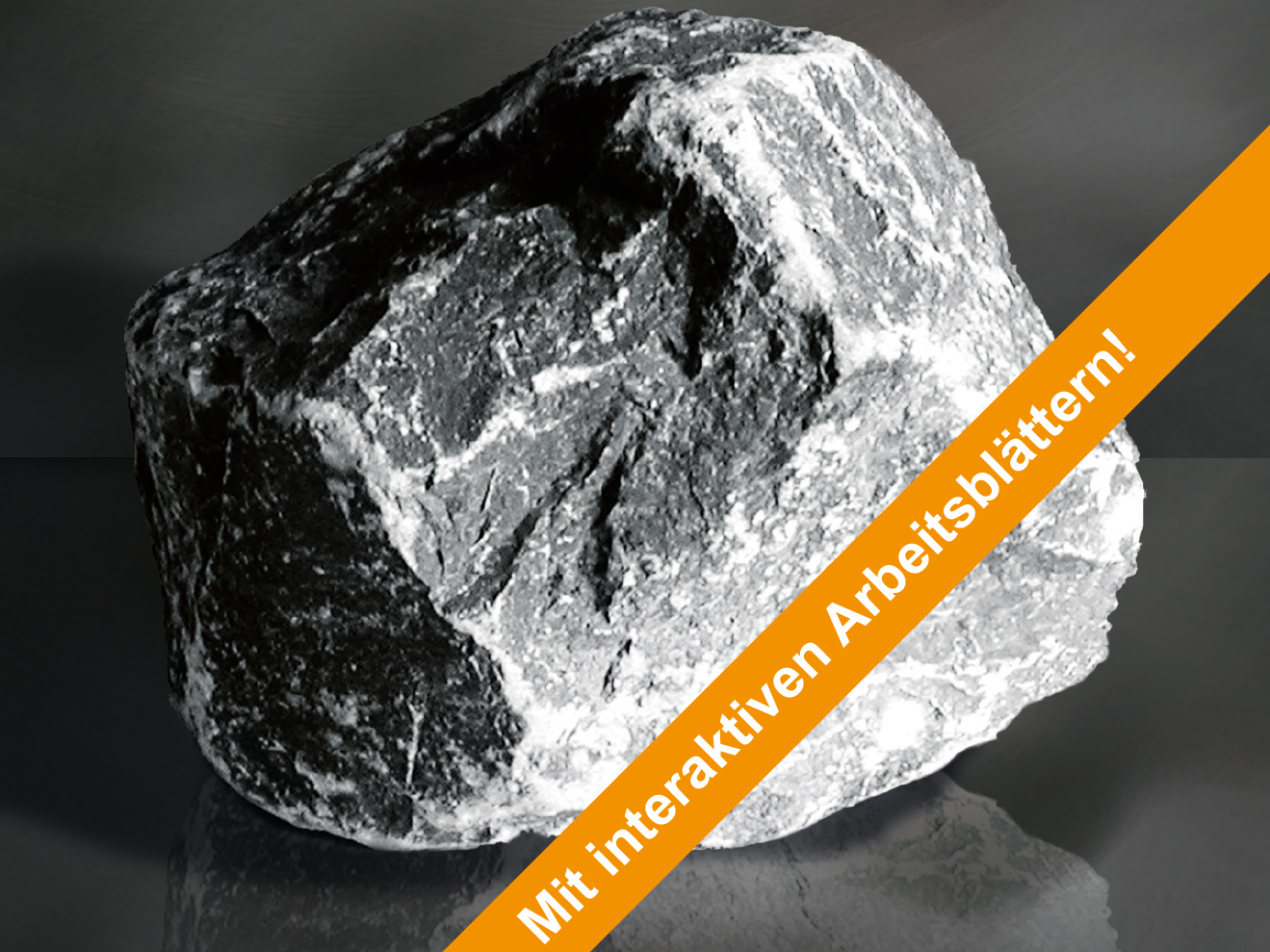
Many products used in everyday life are impossible without lime. These are, among others, glass, sugar, paper as well as pharmaceutical and cosmetic products. The raw material is also indispensable in the construction materials industry. Iron and steel producers need limestone, in environmental protection it is used, for example, for air cleaning and drinking water purification. Therefore limestone and lime as well as products derived from them can be found everywhere. We use them daily even though we may not realise it at the time. The film explains types of limestone formations, how they are extracted and processed and their various ranges of application. It is divided into didactically meaningful sections thus presenting the “fascination of lime” in a logical sequence.
Play trailer

Curriculum-centred and oriented towards educational standards
Matching

Mobile Learning II
Oh, what’s that? Original soundtrack Thissen: “As our children grow up in a media world and naturally handle the media, they should also be a topic in school.“ An older child says the point is that they don’t just load down apps but create things themselves that haven’t existed so far. Hi, I’m Jana. A propeller hat. I’ll put it on. Now I’m no longer a simple rhino, but a flying rhino. Original soundtrack Thissen: “It’s exactly the great flexibility of tablets that promotes very personalised and adapted learning.” Original soundtrack Welzel: “It’s fascinating to see how the children grow with their products and how they always want to improve them.” The Westminster Abbey is a church in London for the royal family. Original soundtrack Welzel: “And?“ They think it is ok.
Resuscitation
It can happen to anyone – of any age, in any place, at any time. Sudden cardiac arrest may quickly prove fatal. Immediate action is called for! Just remember: Check Call Press Anyone can do it. You can't do anything wrong!
The Daily Newspaper
Every day, there is a surge of news reaching us via different news channels. In spite of TV and Internet, the daily paper still is one of the most important main sources of news. But how is a newspaper created? The film shows the production of a paper in the course of one day. Starting with the editorial meeting in the morning, in which the topics and deadlines are determined, the film accompanies a journalist during her research work. You can see how a journalistic interview is conducted and what the photographer must consider when taking a press photo. Back in the editorial office, the editor’s work is illustrated, which includes the page layout and the writing of an online article in today’s time. Impressive pictures from the printing centre depict the process from the digital page to the finished newspaper. Together with the comprehensive accompanying material, the DVD is perfectly suited for use at school