







 Chemistry

4662229 / 5552806
Aluminium II
Production, Processing, Recycling
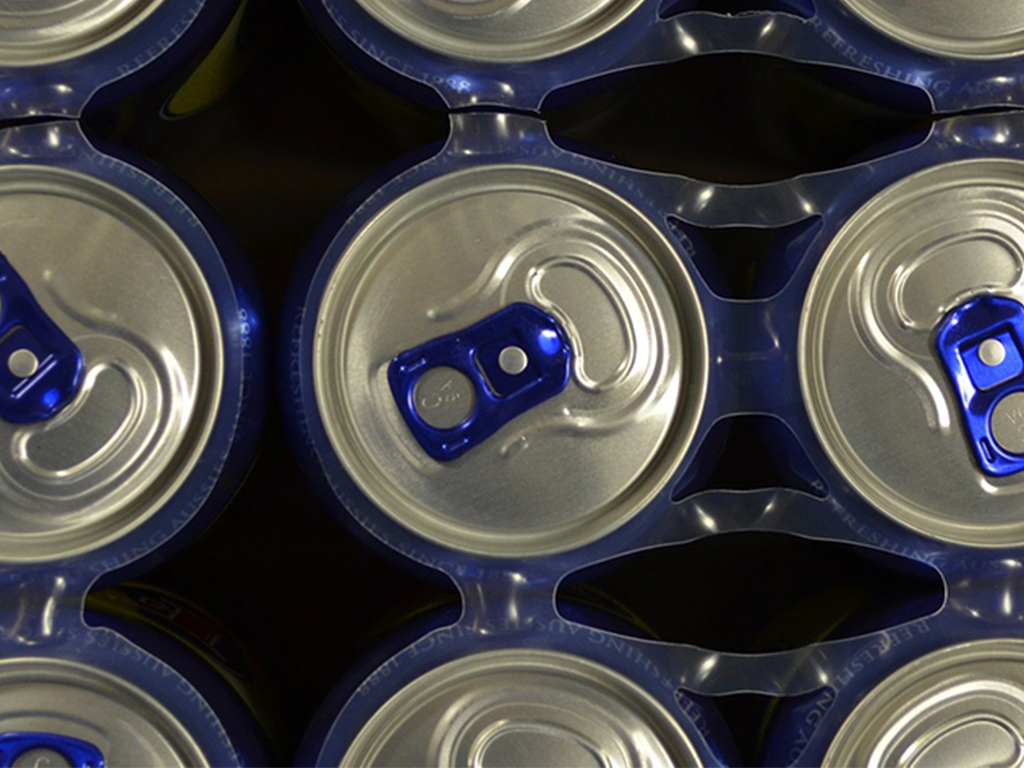
The metal aluminium is growing in importance because of its specific properties and manifold application possibilities. This DVD deals with the industrial production of aluminium as a raw material, its processing and the manufacturing of alloys for the finished product. Starting with the raw material aluminium oxide the functioning of an electrolytic cell is demonstrated and explained. Alumina, white and powdery, is melted with great expenditure of energy, and by means of electrolysis converted into aluminium with a degree of purity of 99.9%. As aluminium oxide would not melt before a temperature of over 2,000°C is reached, the mineral cryolite is used as a solvent. The various alloys change the properties of aluminium and are produced according to precise formulations. The alloy is cast into blocks and bars that serve as primary material for processing plants. The responsible handling of resources underscores the importance of recycling. Aluminium is resilient and versatile.
Play trailer
- <> Languages: DE, EN, TR
- <> Target Groups: Sek I
- <> Subject: Chemistry
- <> Length: 17:05 min
- View in learning platform
Licenses

Curriculum-centred and oriented towards educational standards
Matching
Product Piracy
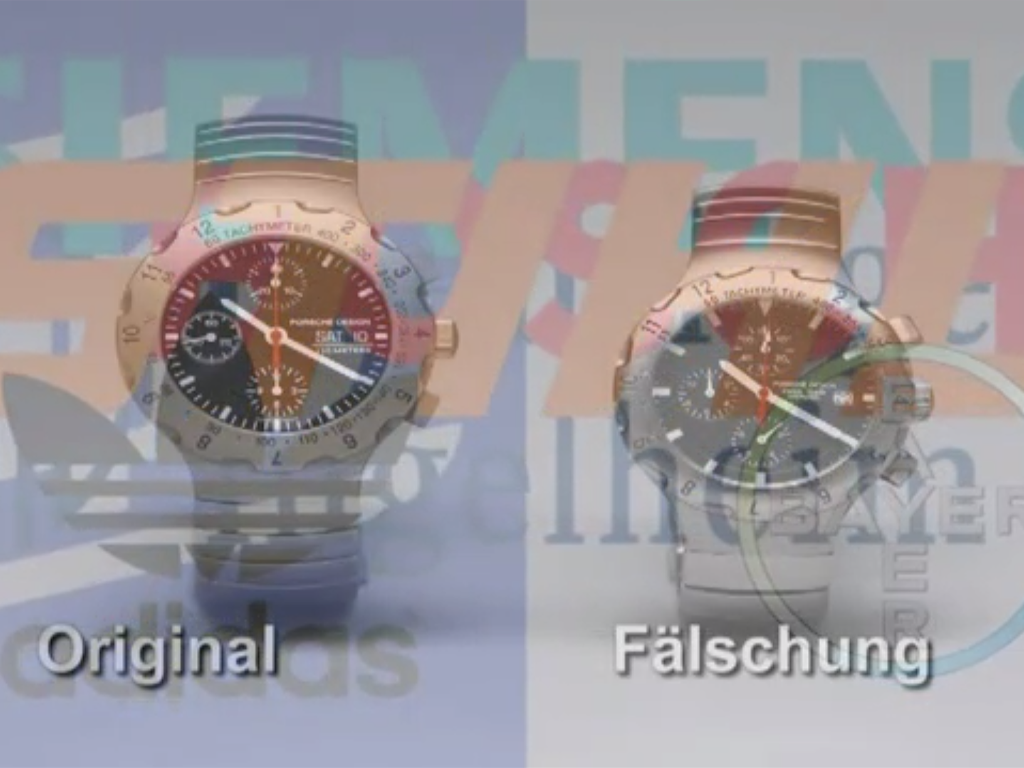
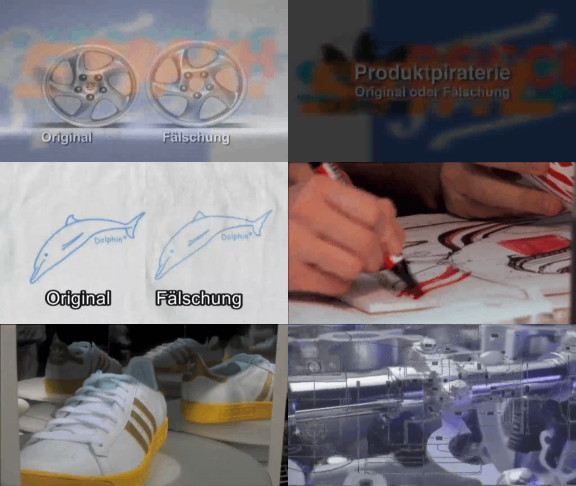
Counterfeiting takes place in almost all economic sectors – textiles, watches, car parts, machine parts, tools, accessories, software and medicines. Some counterfeits are easy to recognise, others are so well-executed that even experts have difficulty distinguishing between original and imitation. This DVD covers the development of a product from idea to manufacture. Once a product has become a trademark, product pirates appear on the scene.


Blogging
The weblog or blog, for short, as a medium is not much older than this century. Blogs came into being in the World Wide Web as ’messages from below’, as web pages from web creators who wanted to share their view of the world with the world. They are short notes, long texts, pictures, videos, which are posted loosely and at random intervals to the world for an undefined public.
The Daily Newspaper
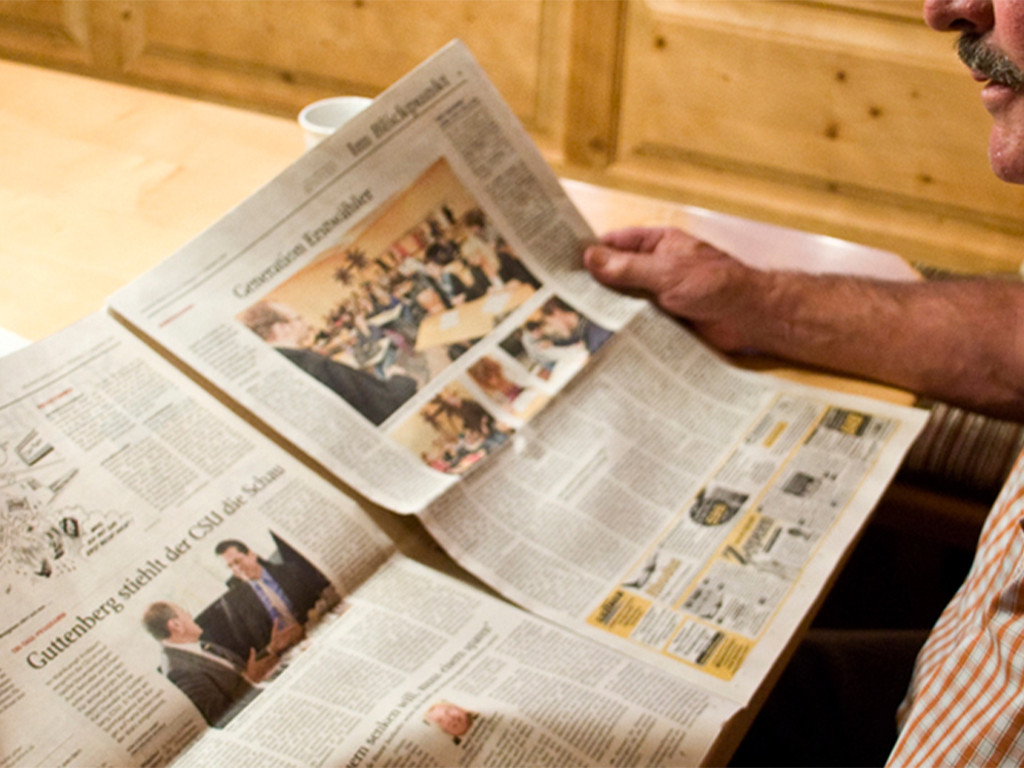
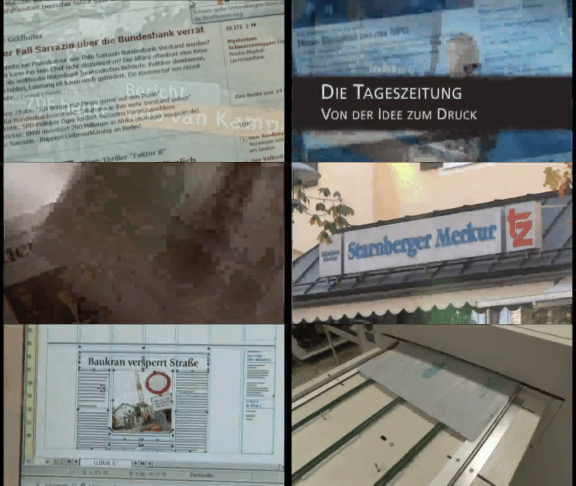
Every day, there is a surge of news reaching us via different news channels. In spite of TV and Internet, the daily paper still is one of the most important main sources of news. But how is a newspaper created? The film shows the production of a paper in the course of one day. Starting with the editorial meeting in the morning, in which the topics and deadlines are determined, the film accompanies a journalist during her research work. You can see how a journalistic interview is conducted and what the photographer must consider when taking a press photo. Back in the editorial office, the editor’s work is illustrated, which includes the page layout and the writing of an online article in today’s time. Impressive pictures from the printing centre depict the process from the digital page to the finished newspaper. Together with the comprehensive accompanying material, the DVD is perfectly suited for use at school