







 Chemistry

4677026 / 5564336
Materials and Substances of Everyday Life
Properties and Behaviour
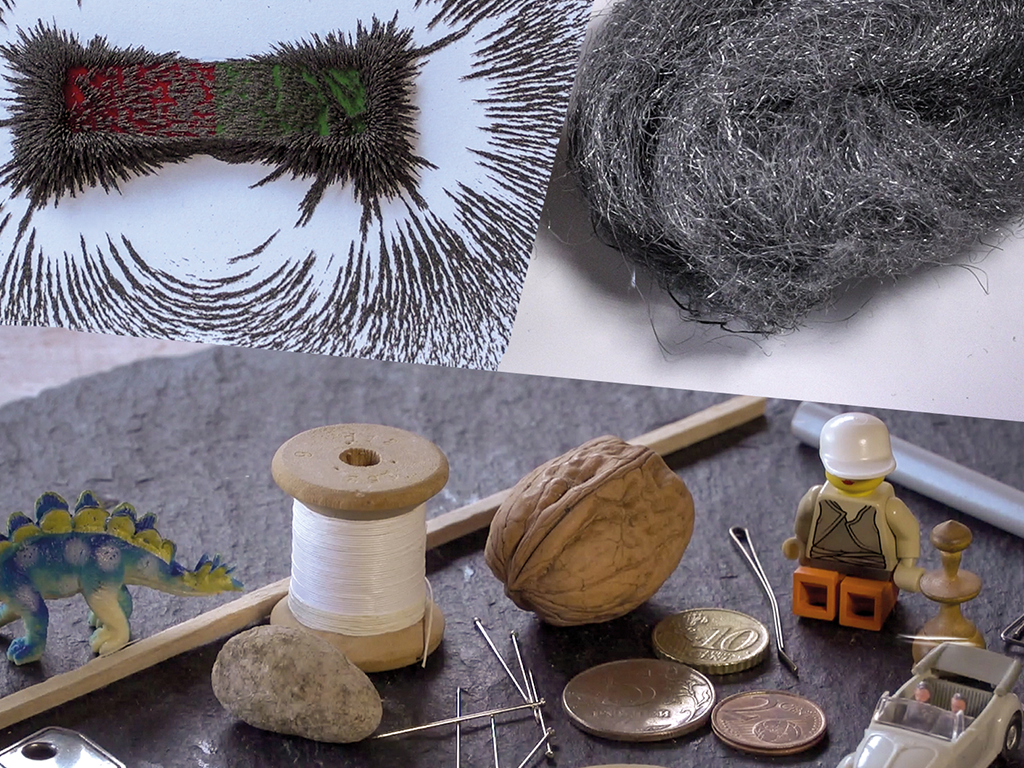
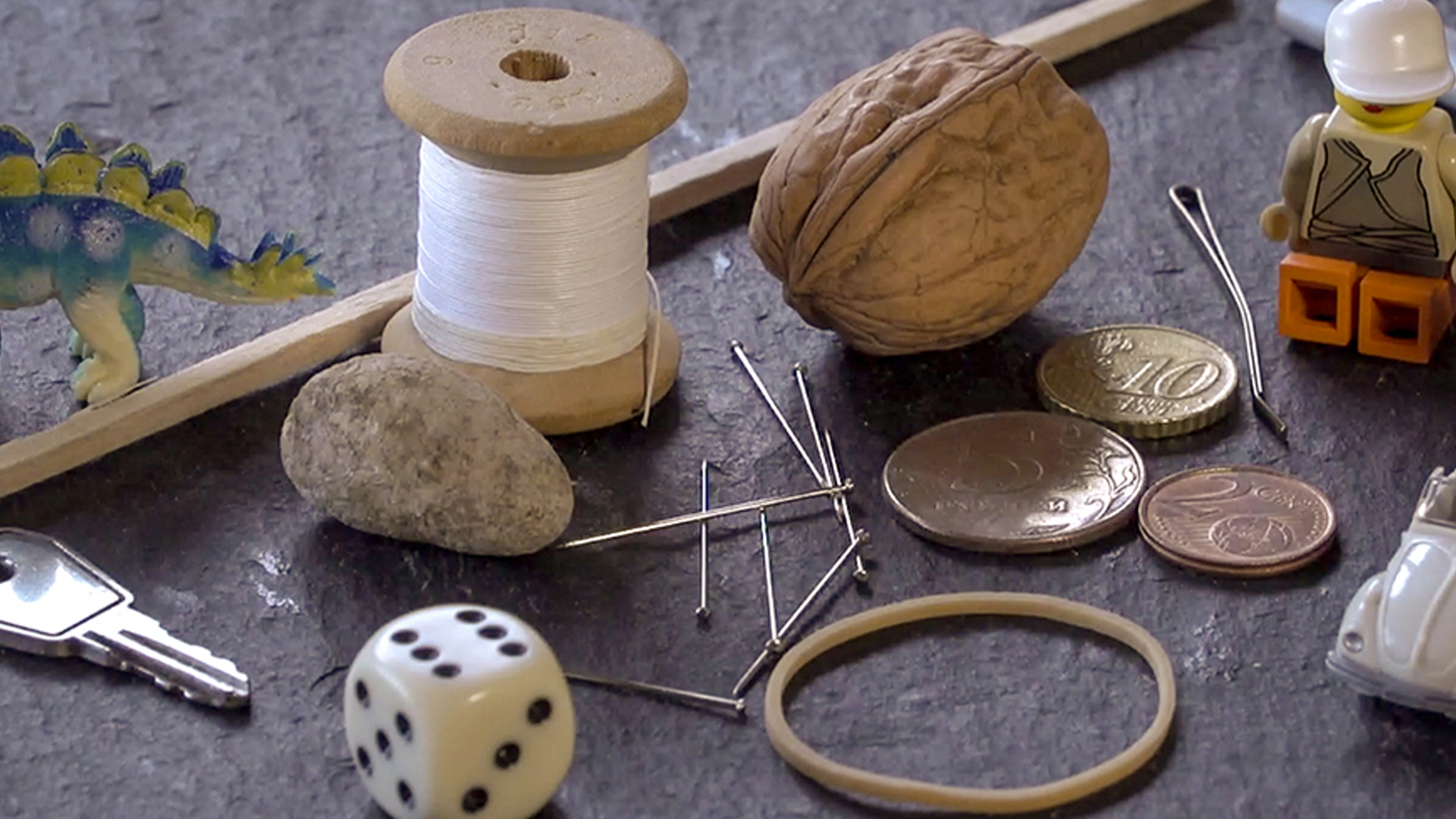
Hearing these words, you first think of the materials our clothing is made of. But all objects surrounding us in everyday life consist of one or several materials. They are objects that are made, for example, of metal, wood, rubber, plastic. In chemistry these objects are also called ‘solids‘. The materials solids consist of either occur in nature or have been newly created by people combining different substances. What materials are there? How can they be distinguished and classified? And how can we employ these materials with their specific properties usefully and advantageously?
Play trailer
- <> Languages: DE, EN
- <> Target Groups: Sek I
- <> Subject: Chemistry
- <> Length: 24:55 min
- View in learning platform
Licenses
Curriculum-centred and oriented towards educational standards
Matching


Air Traffic
Being able to fly has been a dream of humanity from time immemorial. But it does not even date back a century that people actually started being able to travel through the air. Since the 1960s, the number of flight passengers has been constantly increasing. Thus, the airspace is no longer dominated by birds but by man-made flying objects.

Mobile Learning II
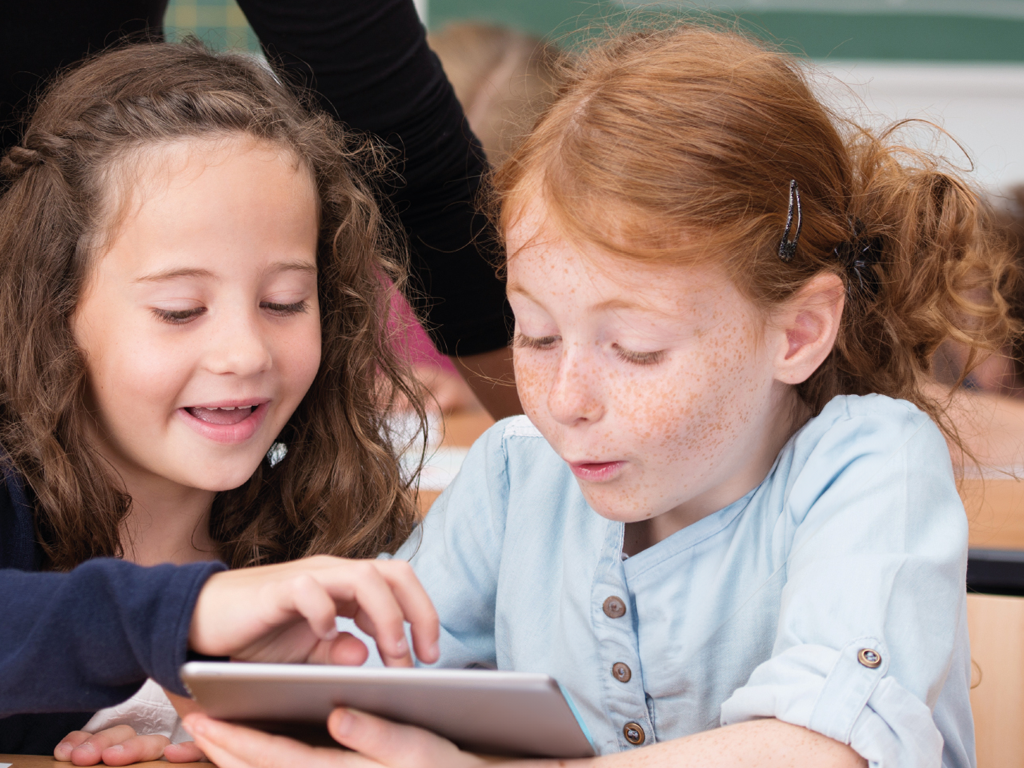
Oh, what’s that? Original soundtrack Thissen: “As our children grow up in a media world and naturally handle the media, they should also be a topic in school.“ An older child says the point is that they don’t just load down apps but create things themselves that haven’t existed so far. Hi, I’m Jana. A propeller hat. I’ll put it on. Now I’m no longer a simple rhino, but a flying rhino. Original soundtrack Thissen: “It’s exactly the great flexibility of tablets that promotes very personalised and adapted learning.” Original soundtrack Welzel: “It’s fascinating to see how the children grow with their products and how they always want to improve them.” The Westminster Abbey is a church in London for the royal family. Original soundtrack Welzel: “And?“ They think it is ok.
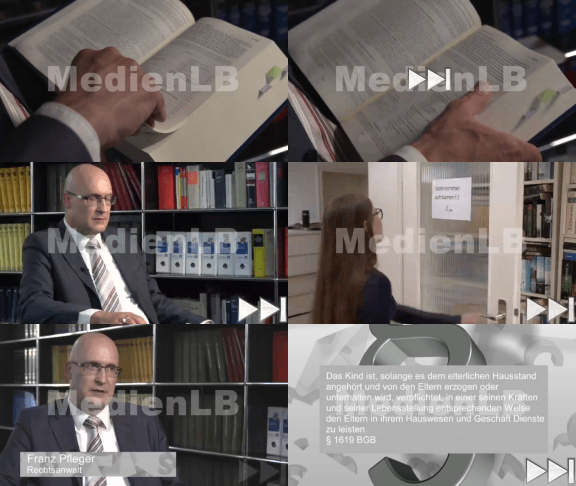
Rights and Obligations
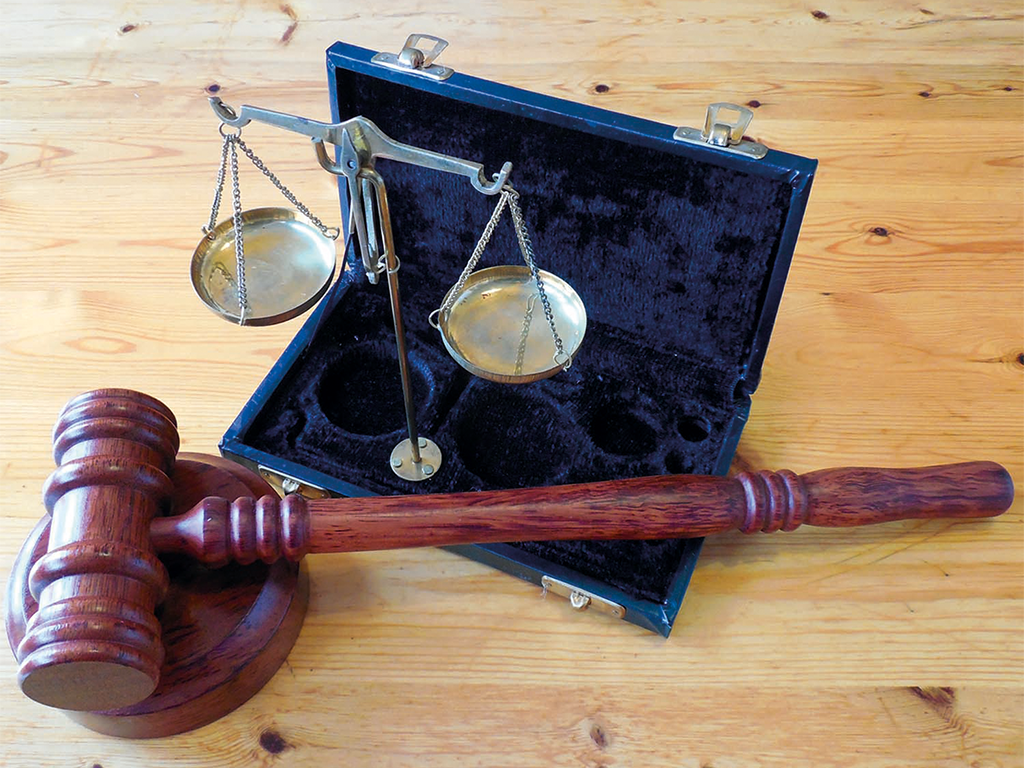
Three girls of different ages: Anna is 17, Paula 15 and Lena 13. Before the law, their respective ages have consequences – because children and adolescents have different rights and also obligations.