







 History
4669630 / 5560307
Dictatorships in the 20th Century VI
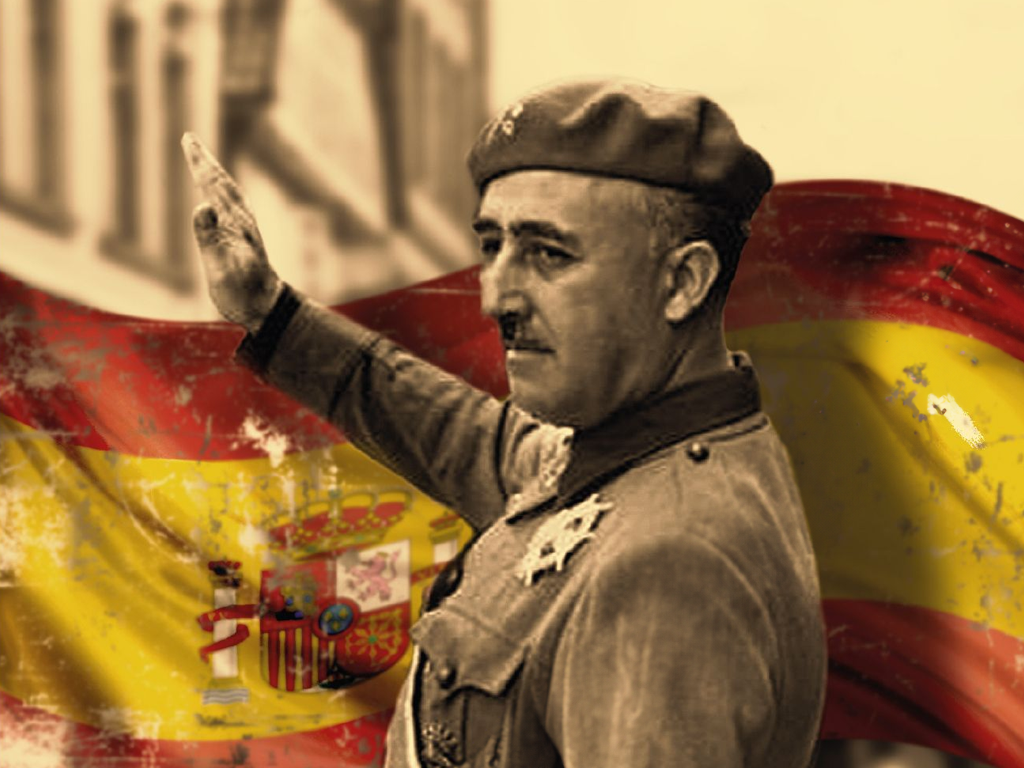
Francisco Franco
Francisco Paulino Hermenegildo Teódulo Franco y Bahamonde Salgado Pardo is born in El Ferrol (Galicia) on 4th December 1892. His father, the naval officer Nicolás Franco, is authoritarian and domineering, a bully and womaniser, who despises his delicate and taciturn son. His mother, Maria del Pilar, tries to hide her sorrow behind a religious bourgeois façade. Throughout his life, Franco will remain close to her. In 1907, 15-year-old Francisco Franco is admitted to the Military Academy of Toledo. In the three years at the Academy he proves to be an exemplary, hard-working and disciplined cadet. In 1910 he leaves the Academy with the rank of Second Lieutenant. For career reasons – he hopes for quick promotion – he expressly requests to be sent to Africa, where a bloody colonial war is raging. The Spaniards’ fight in Spanish Morocco is waged against the Rif tribesmen: rebellious Berber tribes in the Atlas Mountains.
Play trailer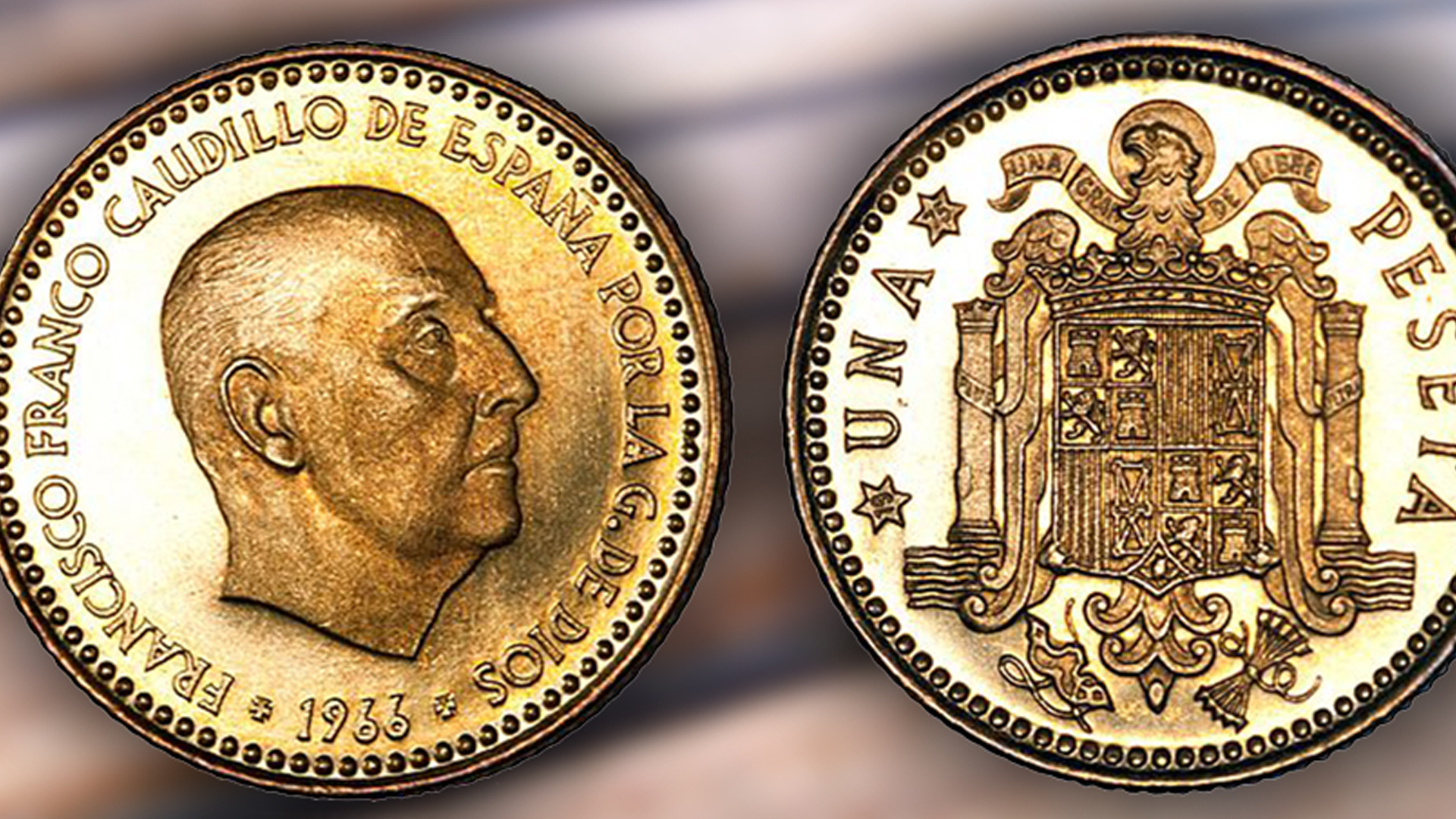
Curriculum-centred and oriented towards educational standards
Matching
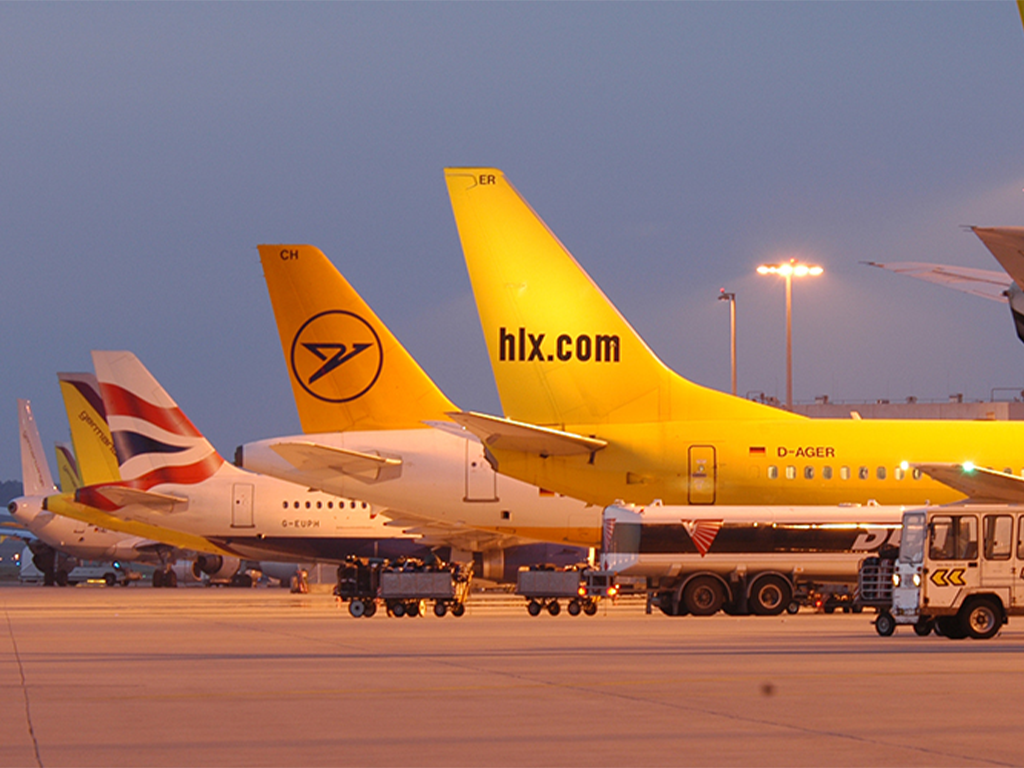
Air Traffic
Being able to fly has been a dream of humanity from time immemorial. But it does not even date back a century that people actually started being able to travel through the air. Since the 1960s, the number of flight passengers has been constantly increasing. Thus, the airspace is no longer dominated by birds but by man-made flying objects.
Tolerance
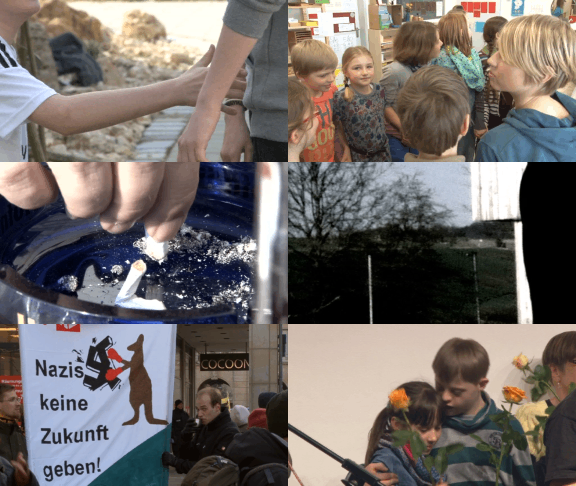
“Tolerance means being generous and kind to other people and helping them, too.”


Big Data
Original soundtrack young woman: