







 History

4658338 / 5551758
American Indians
Cultural Diversity in North America
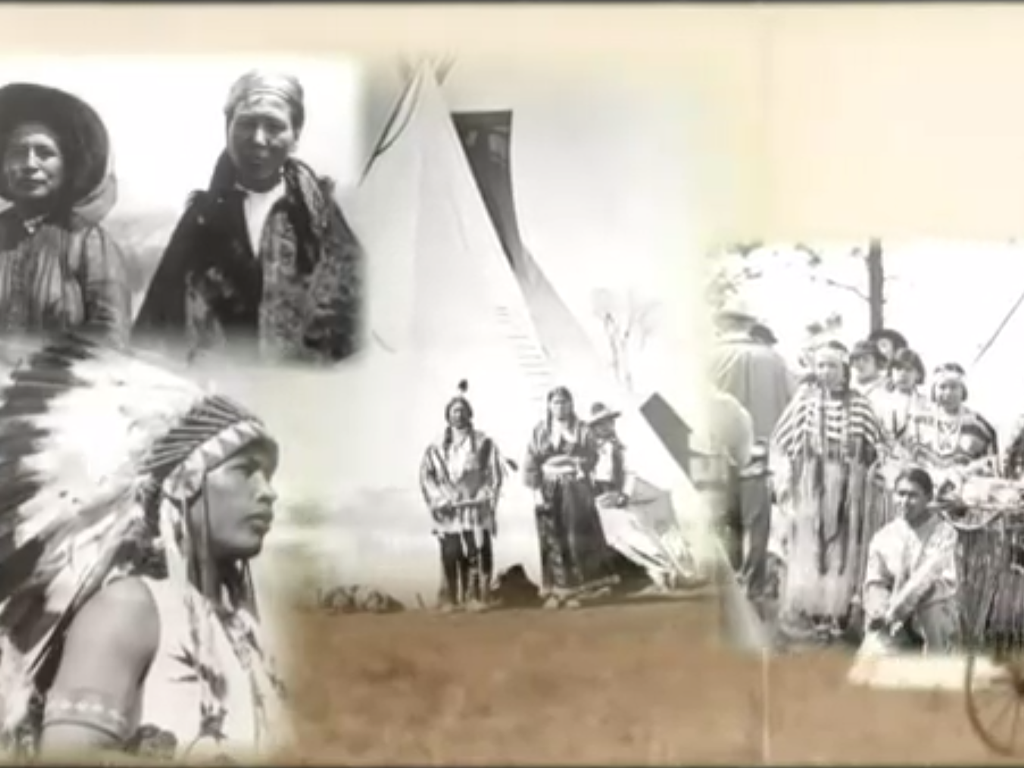
Who were the first people in America? The native inhabitants of this continent are called Indians, and they are just as diverse as the peoples in Europe. North America is divided into Nine Native American Culture Regions and the film goes into detail about the Indians of the north-eastern and south-eastern Woodlands, the Indians of the Southwest and the Plains Indians. Adapted to the landscape and climate, different forms of culture evolved – from simple Stone Age humans and nomadic life styles to advanced cultures with cities and sophisticated societies. Thus, the Indians of the north-eastern woodlands already lived in a democratic society, which became the basis for the American Constitution. European colonisation reduced the number of Native Americans by diseases, wars and displacement. The film concludes with an outlook on Indian life in the United States today.
Play trailer
- <> Languages: DE, EN, TR
- <> Target Groups: Sek I
- <> Subject: History
- <> Length: 33:04 min
- View in learning platform
Licenses
Curriculum-centred and oriented towards educational standards
Matching
The Daily Newspaper
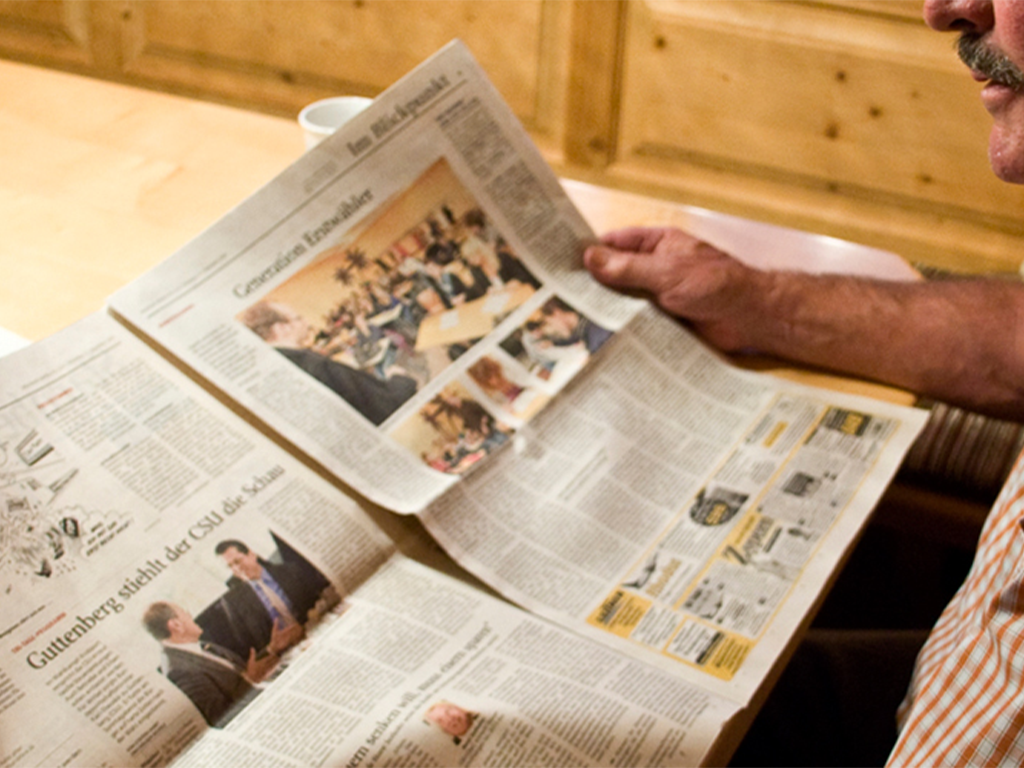
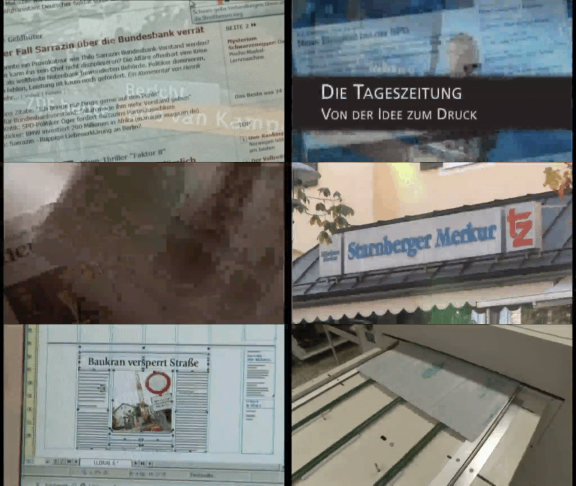
Every day, there is a surge of news reaching us via different news channels. In spite of TV and Internet, the daily paper still is one of the most important main sources of news. But how is a newspaper created? The film shows the production of a paper in the course of one day. Starting with the editorial meeting in the morning, in which the topics and deadlines are determined, the film accompanies a journalist during her research work. You can see how a journalistic interview is conducted and what the photographer must consider when taking a press photo. Back in the editorial office, the editor’s work is illustrated, which includes the page layout and the writing of an online article in today’s time. Impressive pictures from the printing centre depict the process from the digital page to the finished newspaper. Together with the comprehensive accompanying material, the DVD is perfectly suited for use at school
Ideals of Beauty
1. What Is Beautiful?
Peer Mediation
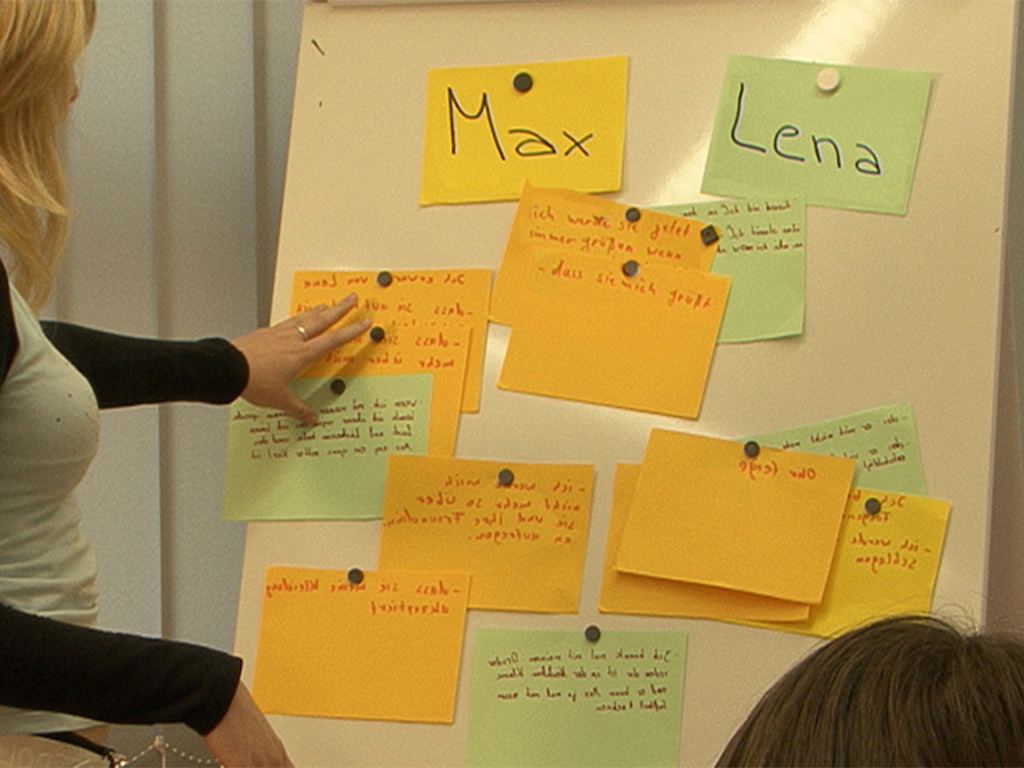
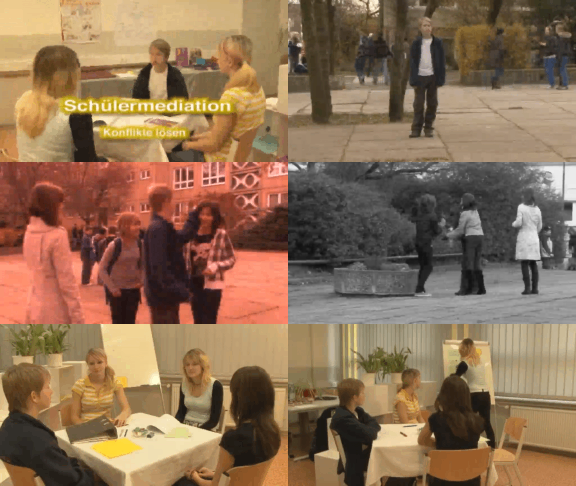
Lena and Max attend the 7th form. Max is new in class. During a break, Max notices that Lena and her friend are laughing at him again. Max loses his temper! He slaps Lena in the face. That hurts and Lena runs back into the classroom with a red cheek. The growing conflict between the two has escalated. Just like Lena and Max, every day pupils all over Germany have rows with each other. At the Heinrich Hertz Gymnasium in Thuringia, pupils have been trained as mediators for years. At set hours, they are in a room made available by the school specifically for mediation purposes. The film describes the growing conflict between Max and Lena and shows a mediation using their example. In doing so, the terms “conflict” and “peer mediation” are explained in a non-technical way. The aims of peer mediation and its progress in five steps as well as the mediators’ tasks are illustrated. The art of asking questions and “mirroring”, which the mediators must know, is described and explained. Together with the comprehensive accompanying material, the DVD is a suitable medium to introduce peer mediation at your school, too.