







 History
4671633 / 5561457
Labour Movement in Germany
1848 to 1914
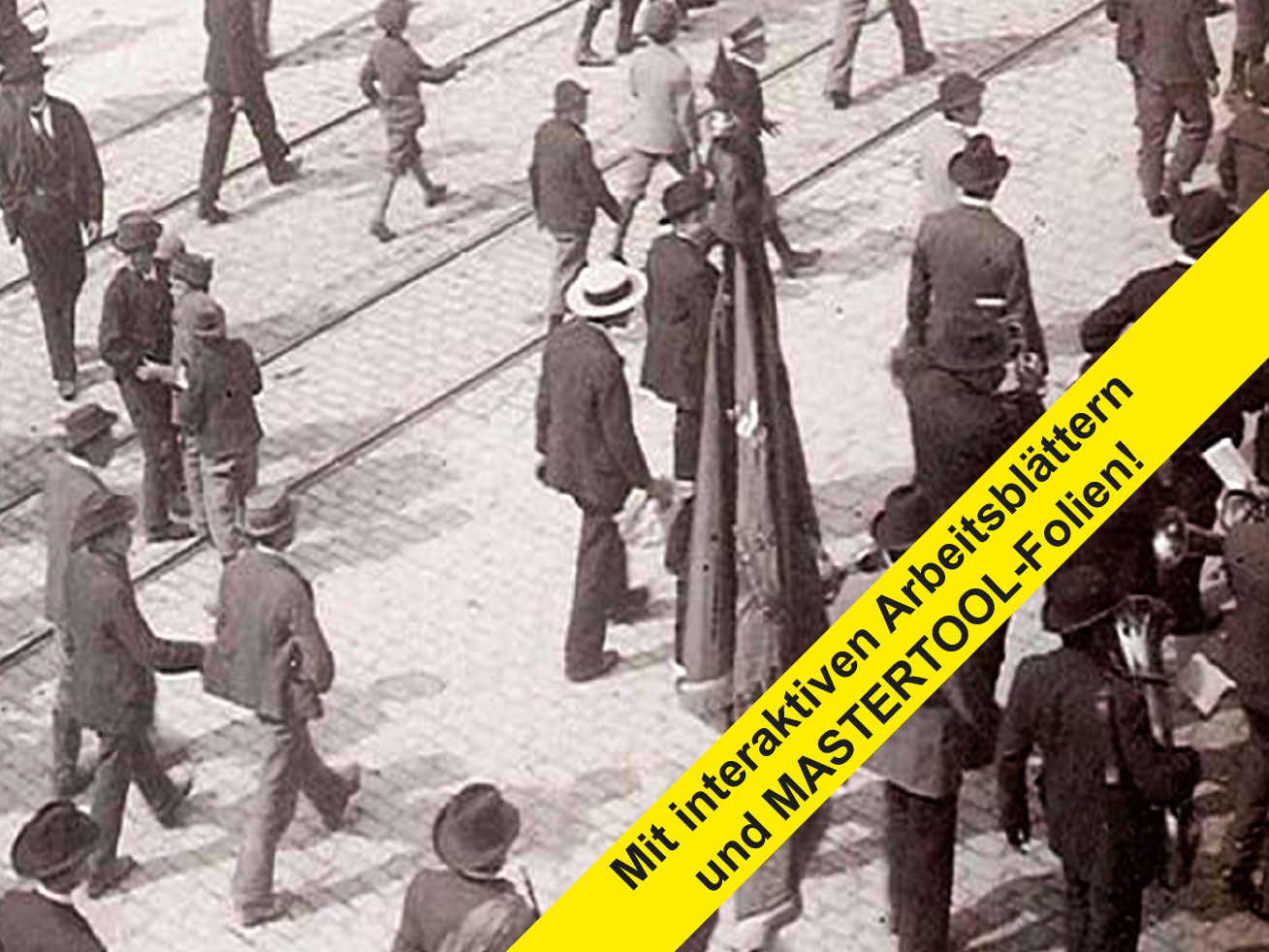
In 1815, after the end of the Napoleonic wars, Europe reinvented itself. The Congress of Vienna created new states and changed a great number of borders. After the devastating war years, now a deceptive peace was reigning and people could focus on normal life again. The era of advancing industrialisation had been heralded and changed the economy in all of Europe and thereby the workers’ role. In the large enterprises they had become stooges for the new machines, had to adapt to their rhythm. Oppression and exploitation led to the pauperisation and impoverishment of the newly created working class. Discontent and unrest were foreseeable. Severe social conflict accompanied the time of early industrialisation in Europe. The workers realised that the time had come to discuss working hours, wages and the right to lead more civilised lives.
Play trailer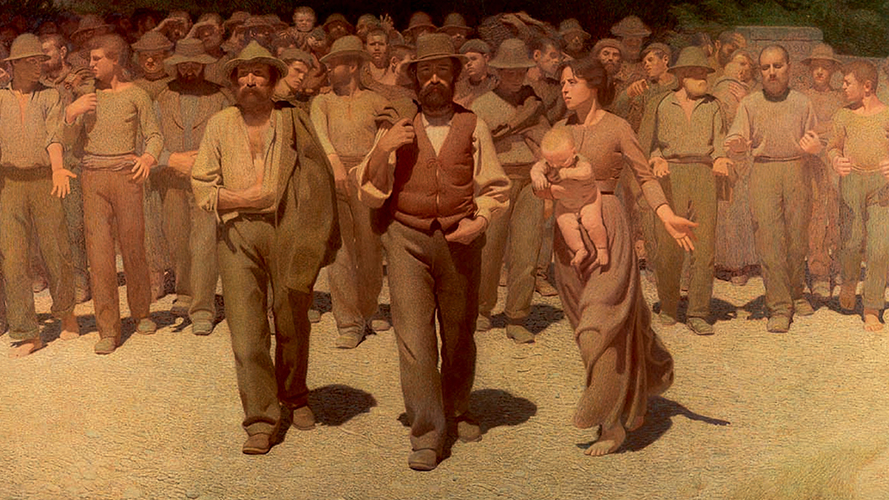
Curriculum-centred and oriented towards educational standards
Matching

Blogging
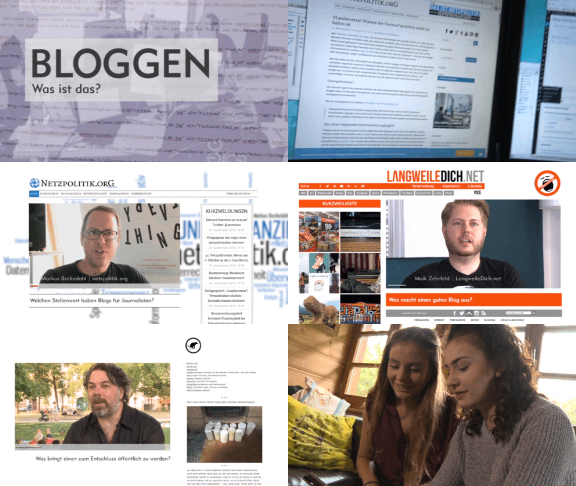
The weblog or blog, for short, as a medium is not much older than this century. Blogs came into being in the World Wide Web as ’messages from below’, as web pages from web creators who wanted to share their view of the world with the world. They are short notes, long texts, pictures, videos, which are posted loosely and at random intervals to the world for an undefined public.
Youth Movement
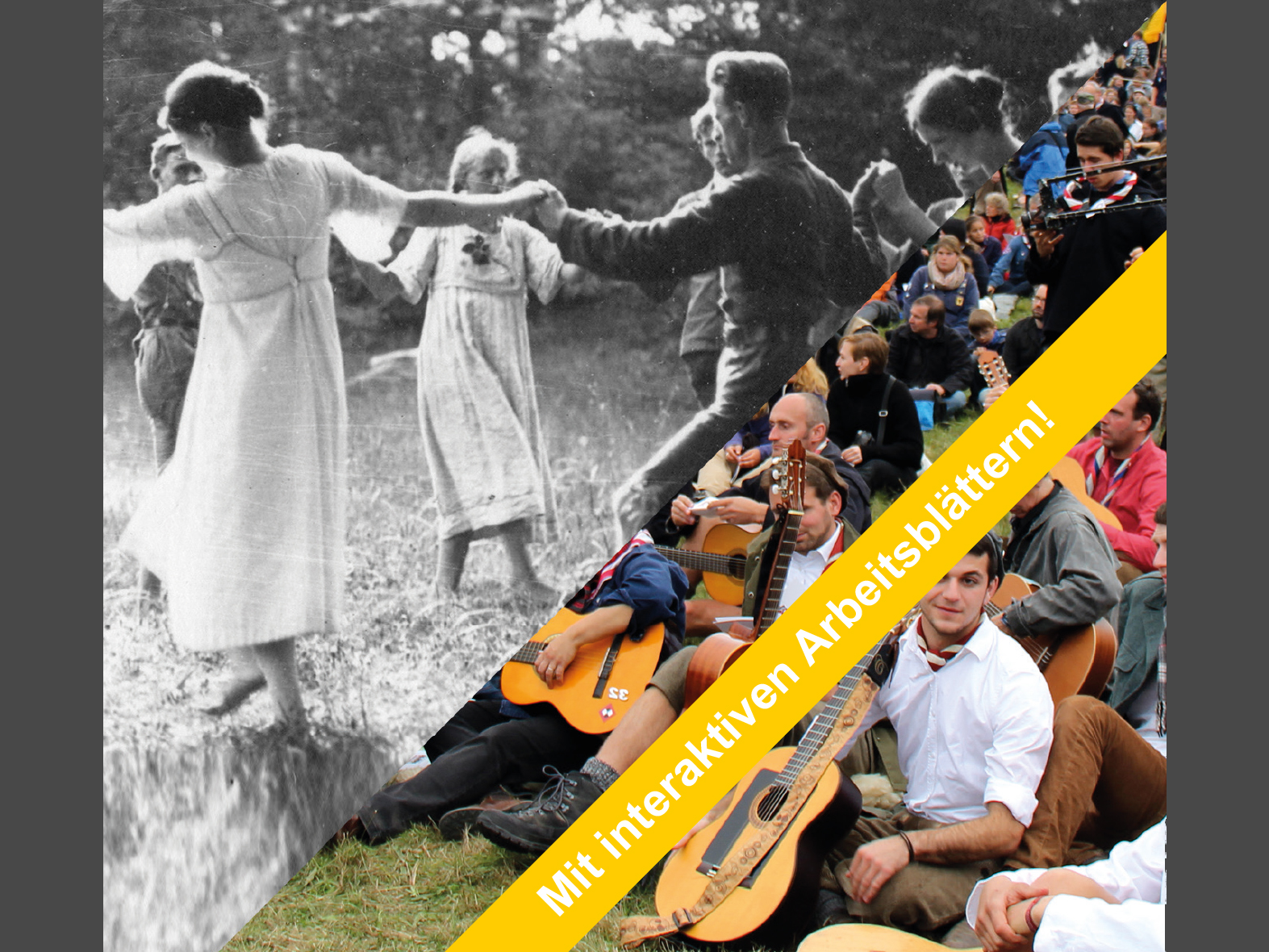
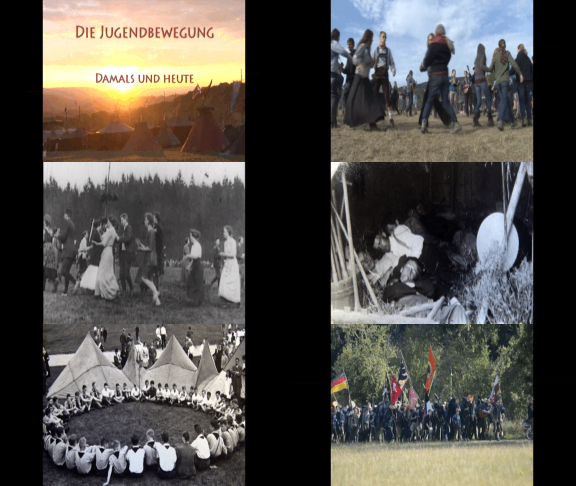
Dancing until your feet hurt: Here, at the meeting on the Hoher Meissner near Kassel, 3,500 participants from Boy Scout associations, youth and Wandervogel groups from all over the German-speaking region have gathered. They want to celebrate, simply get to know each other and commemorate a historic anniversary.
Tolerance
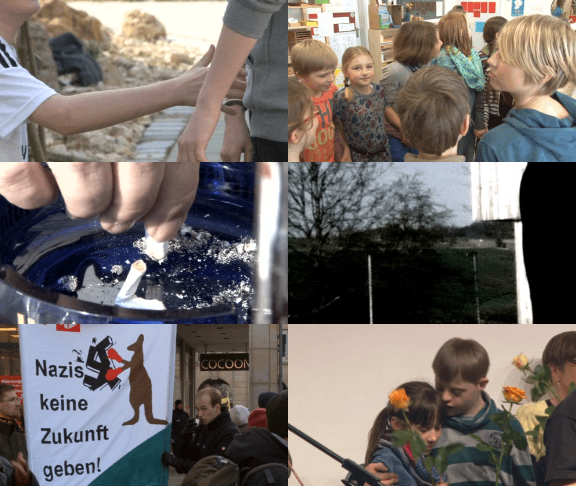
“Tolerance means being generous and kind to other people and helping them, too.”