







 History

4675526 / 5563674
The Weimar Republic
The First Democracy in Germany
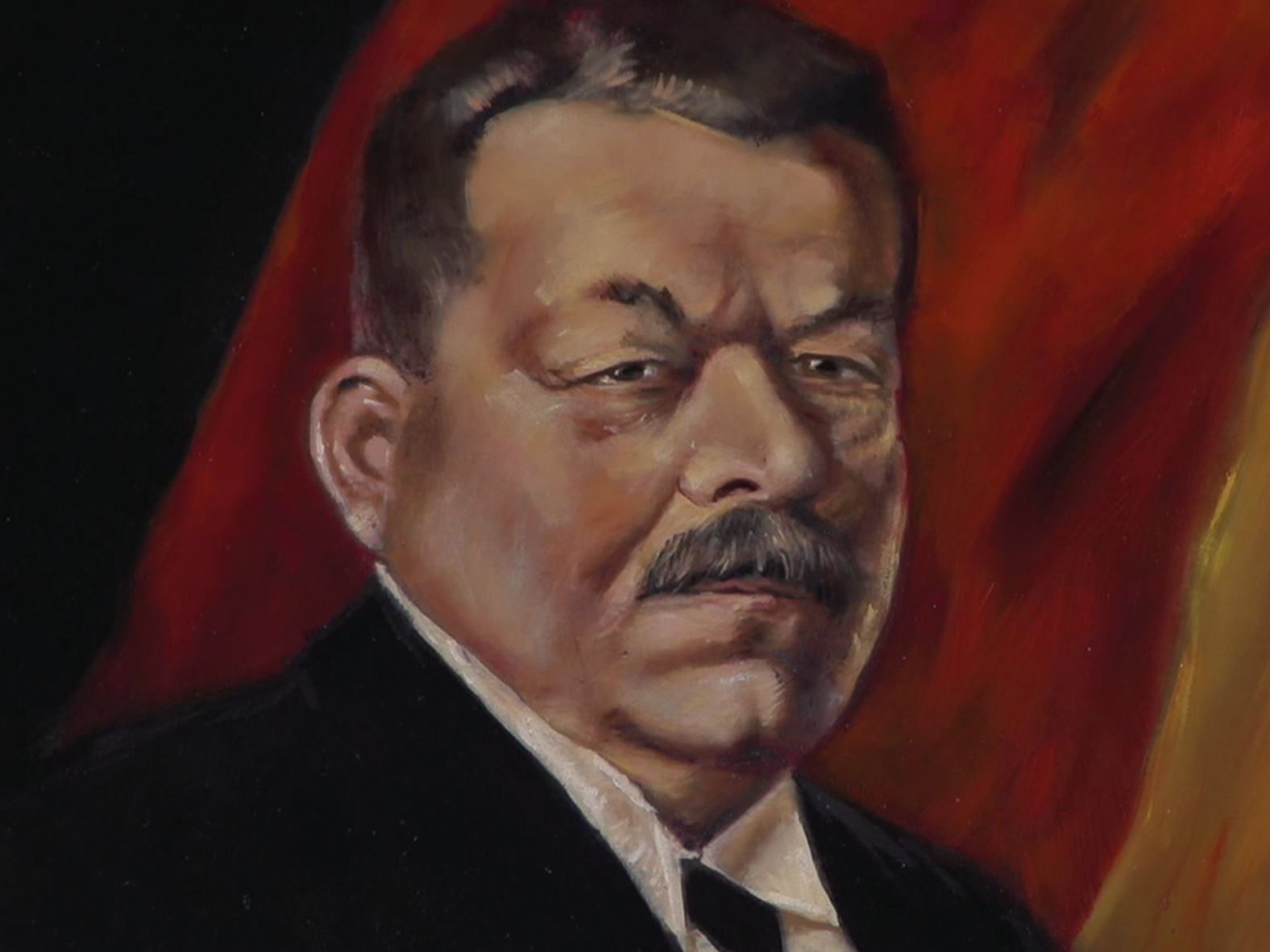
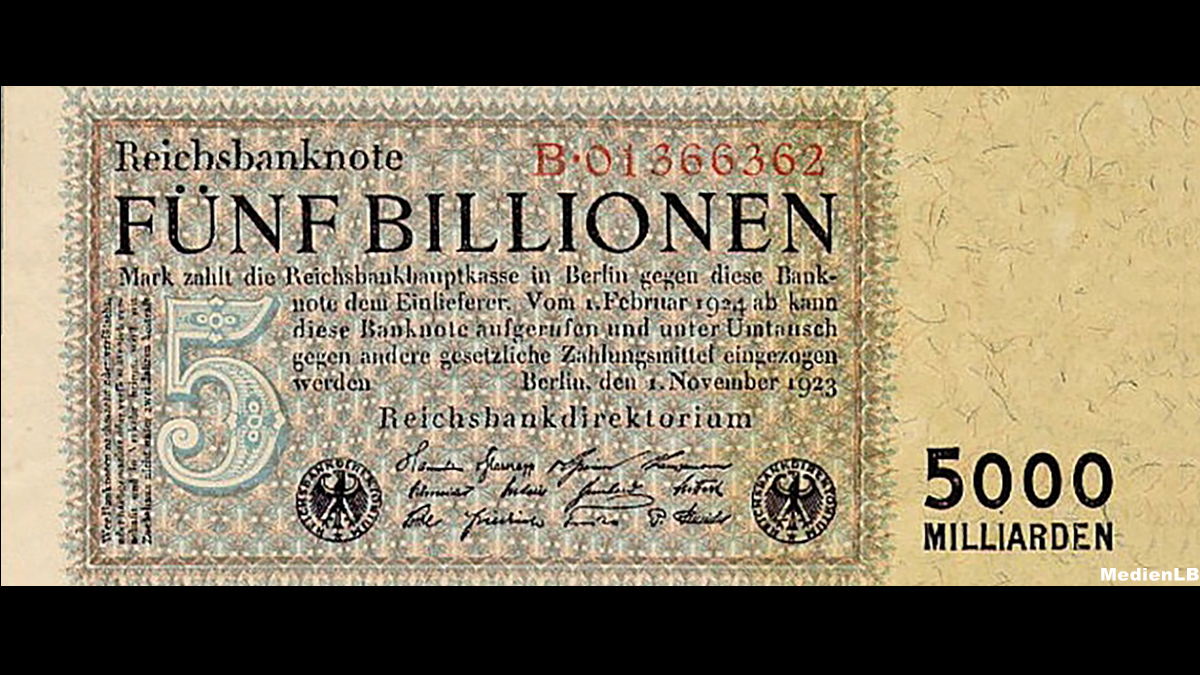
In the heart of the federal state of Thuringia, there is the small town of Weimar, in which the cultural histories of Germany and Europe are blended together in a confined space. Weimar was home to many great personalities: Goethe, Schiller, Herder, Bach, Liszt, Wieland, Cranach … and many more. Numerous museums and memorials remind us of these names and tell of glories long past in Weimar. In the year 1919, the first freely elected parliament, the constituent National Assembly, convened in the Deutsches Nationaltheater (German National Theatre) in Weimar and adopted the first democratic constitution in the history of Germany. At the Deutsches Nationaltheater in Weimar, the colours Black, Red, Gold were revealed on July 31, 1919 for the first time as the national flag of Germany. The period of 1919 to 1933, in other words between the end of the emperor’s reign and the rule of National Socialism, was referred to after the Second World War as the “Weimar Republic”.
Play trailer
- <> Languages: DE, EN, TR
- <> Target Groups: Sek I, Sek II
- <> Subject: History
- <> Length: 23:54 min
- View in learning platform
Licenses
Curriculum-centred and oriented towards educational standards
Matching
Seal of approval
Quality seals such as the "Bio-Siegel", "Blauer Engel", "Stiftung Warentest" and up to 1,000 other seals represent characteristics such as sustainability, health or safety with regard to a product, a service or even a company.
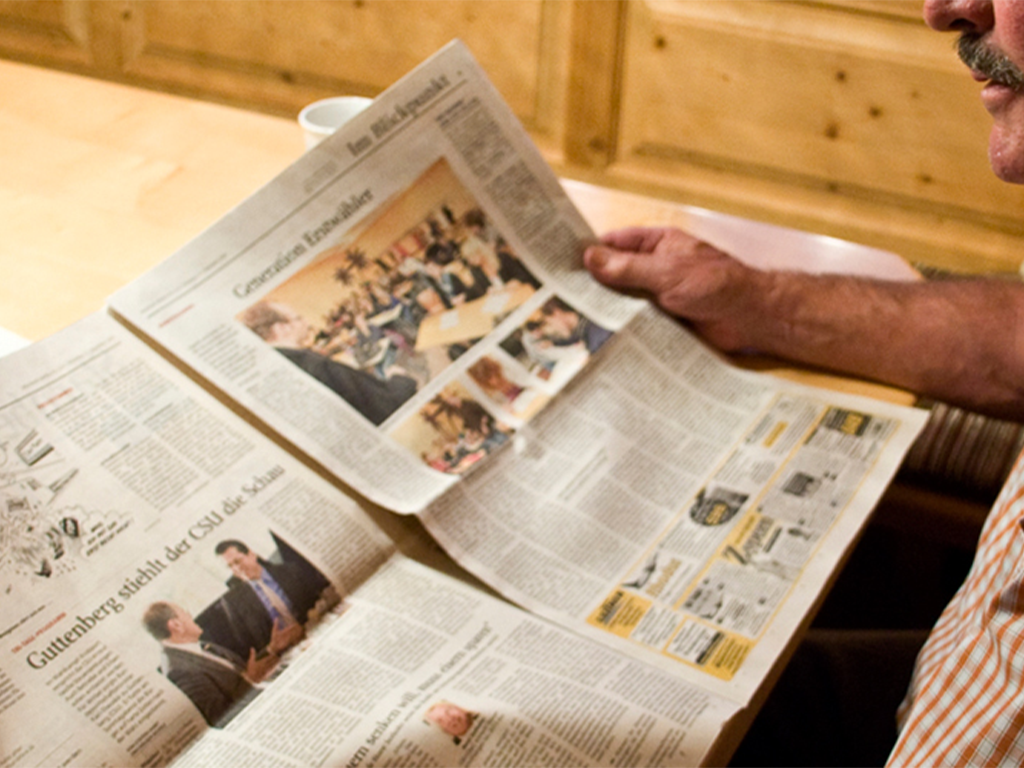
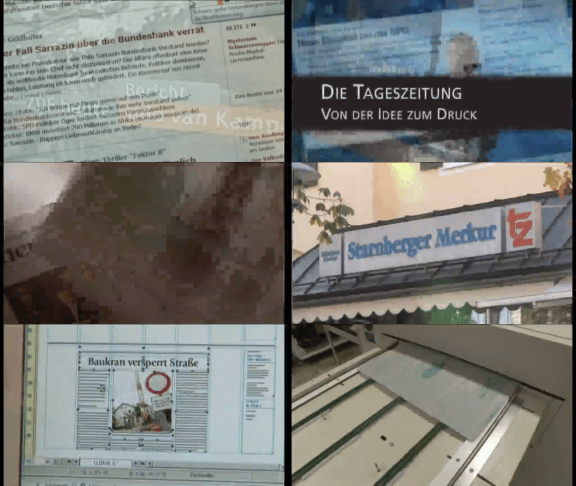
The Daily Newspaper
Every day, there is a surge of news reaching us via different news channels. In spite of TV and Internet, the daily paper still is one of the most important main sources of news. But how is a newspaper created? The film shows the production of a paper in the course of one day. Starting with the editorial meeting in the morning, in which the topics and deadlines are determined, the film accompanies a journalist during her research work. You can see how a journalistic interview is conducted and what the photographer must consider when taking a press photo. Back in the editorial office, the editor’s work is illustrated, which includes the page layout and the writing of an online article in today’s time. Impressive pictures from the printing centre depict the process from the digital page to the finished newspaper. Together with the comprehensive accompanying material, the DVD is perfectly suited for use at school
Rights and Obligations
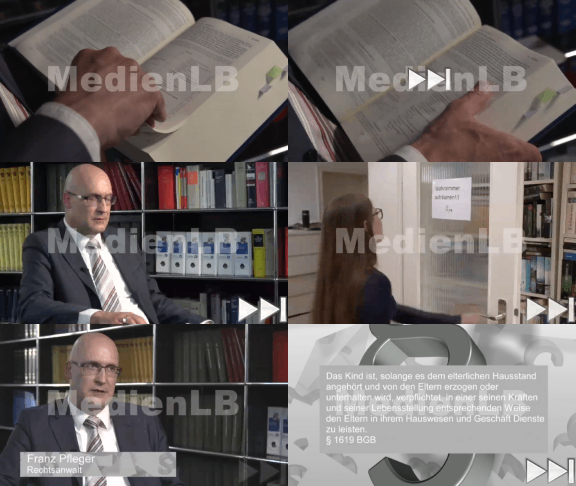
Three girls of different ages: Anna is 17, Paula 15 and Lena 13. Before the law, their respective ages have consequences – because children and adolescents have different rights and also obligations.