







 History

4677121 / 5564410
Bronze Age
A New Material is Discovered
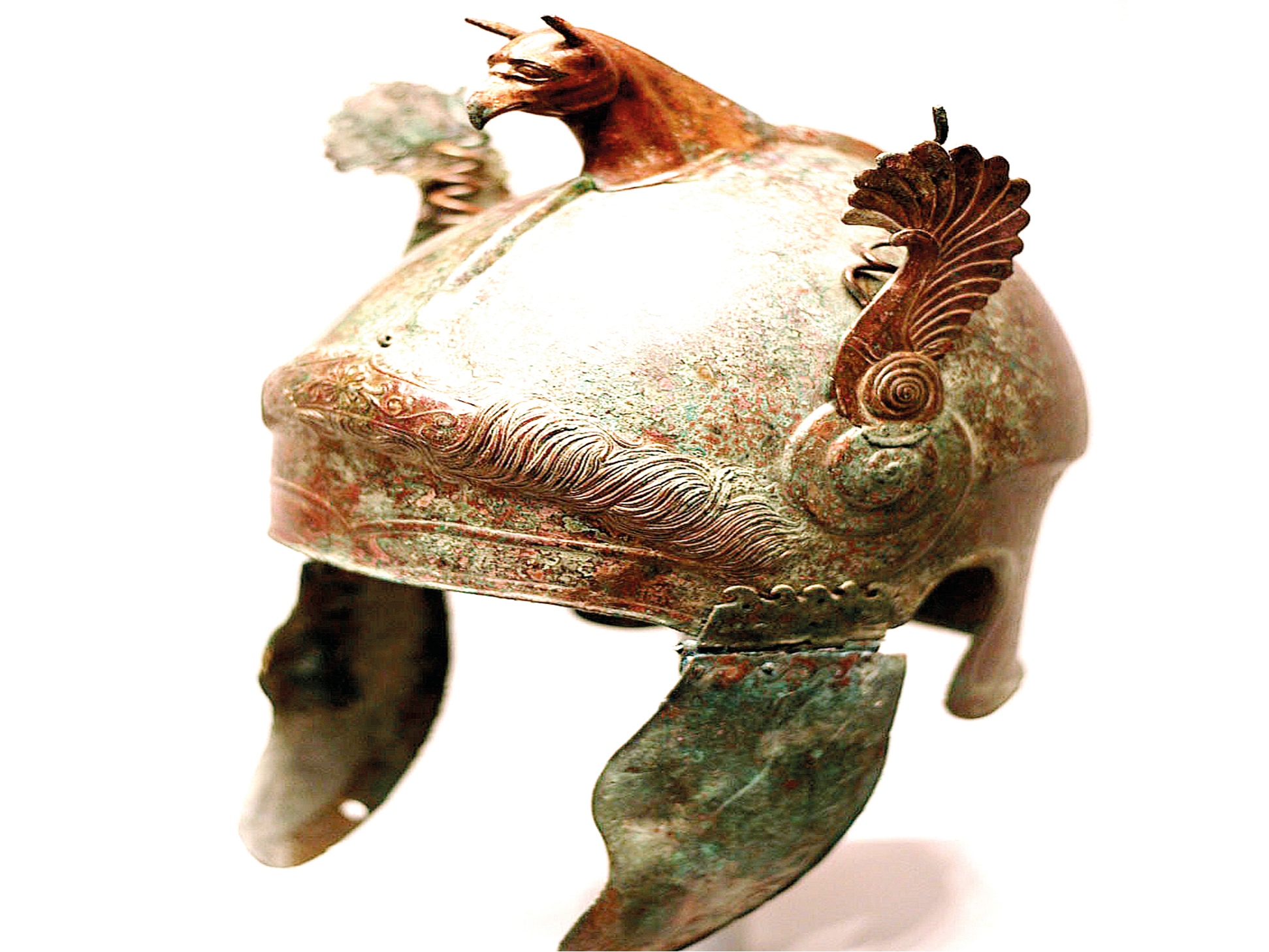
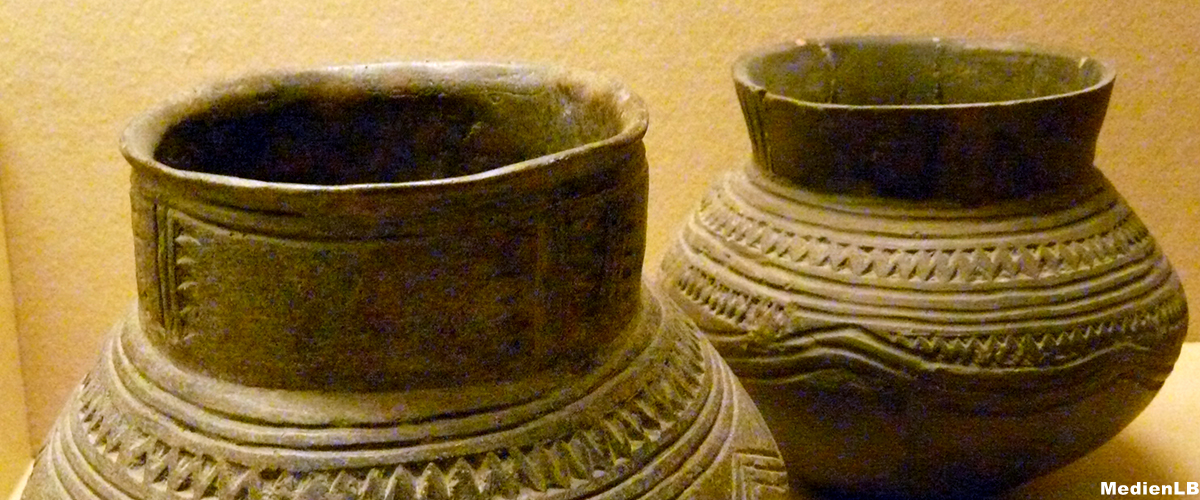
With the use of bronze as a working material a new historical era started at about 2200 BC. Why was this particular metal so important for the development of humankind? Bronze consists of nine parts copper and one part tin. It is melted at 800 to 1,000 degrees. The bronze is poured into the mould and solidifies after a while. During the Bronze Age the moulds consisted mostly of sandstone. The latter was carved first and served as a template or negative of the objects, also called artefacts ─ such as flat axes, sickles, knife blades and swords. The raw materials copper and tin were mined in Europe, the Middle East and also Africa. A flourishing trade with them started.
Play trailer
- <> Languages: DE, EN
- <> Target Groups: Sek I
- <> Subject: History
- <> Length: 24:06 min
- View in learning platform
Licenses
Curriculum-centred and oriented towards educational standards
Matching
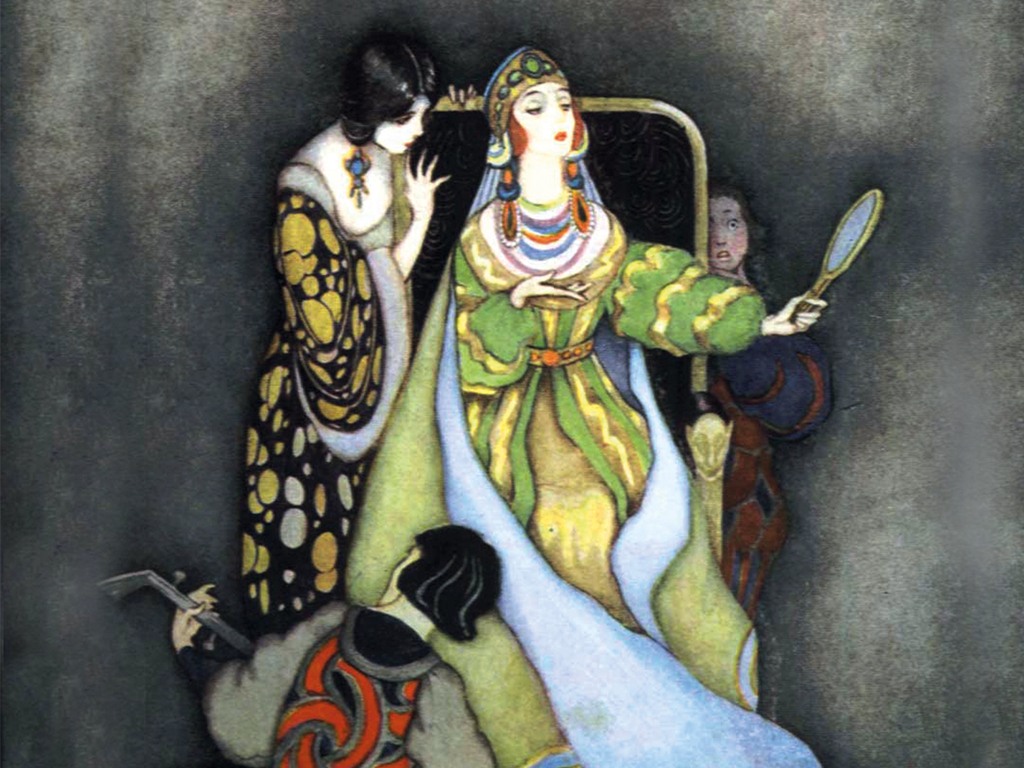

Ideals of Beauty
1. What Is Beautiful?


Big Data
Original soundtrack young woman:


Mobile Learning II
Oh, what’s that? Original soundtrack Thissen: “As our children grow up in a media world and naturally handle the media, they should also be a topic in school.“ An older child says the point is that they don’t just load down apps but create things themselves that haven’t existed so far. Hi, I’m Jana. A propeller hat. I’ll put it on. Now I’m no longer a simple rhino, but a flying rhino. Original soundtrack Thissen: “It’s exactly the great flexibility of tablets that promotes very personalised and adapted learning.” Original soundtrack Welzel: “It’s fascinating to see how the children grow with their products and how they always want to improve them.” The Westminster Abbey is a church in London for the royal family. Original soundtrack Welzel: “And?“ They think it is ok.