







 Ecological
4671727 / 5561525
Batteries
From Production to Recycling
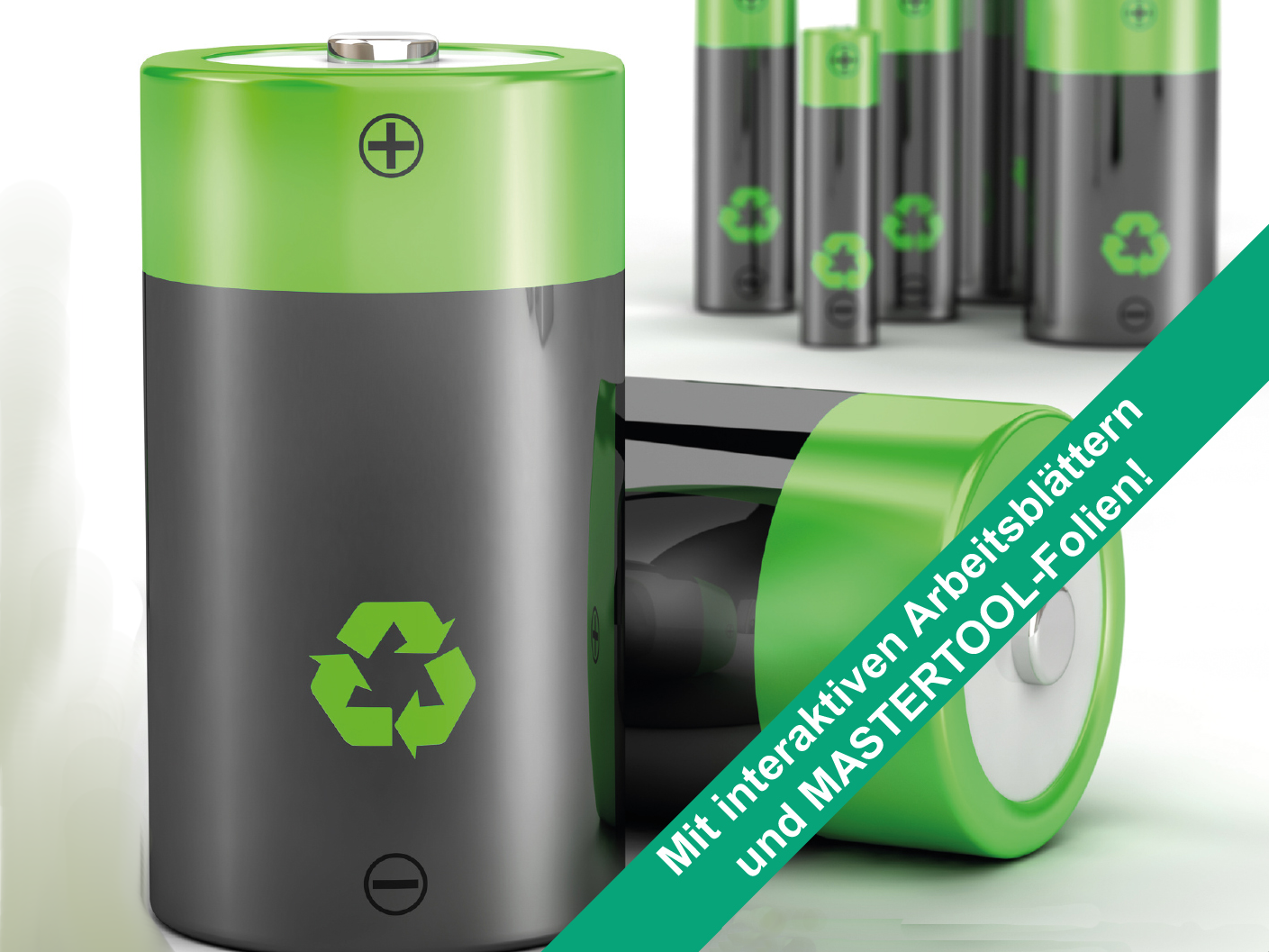
A battery is a portable source of chemical energy, which is converted to electrical energy as soon as the battery is placed in a circuit. The main principle is the same in almost all batteries. A metal that forms the negative terminal is opposite a positive terminal. The positive terminal is also called anode, the negative terminal cathode. Between the two terminals there is an electrically conductive liquid, the so-called electrolyte. As soon as a battery is placed in a circuit, positive and negative terminals are connected via an external contact and electrolysis takes place. On the way, a current flows from anode to cathode
Play trailer
Curriculum-centred and oriented towards educational standards
Matching


Air Traffic
Being able to fly has been a dream of humanity from time immemorial. But it does not even date back a century that people actually started being able to travel through the air. Since the 1960s, the number of flight passengers has been constantly increasing. Thus, the airspace is no longer dominated by birds but by man-made flying objects.

Resuscitation
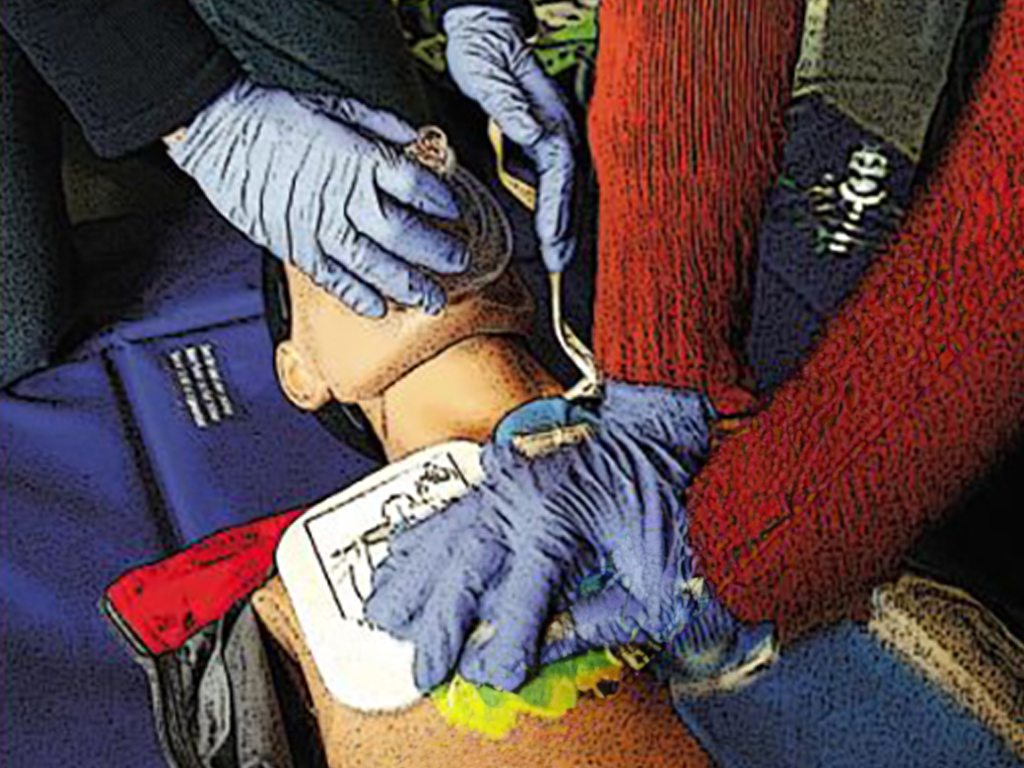
It can happen to anyone – of any age, in any place, at any time. Sudden cardiac arrest may quickly prove fatal. Immediate action is called for! Just remember: Check Call Press Anyone can do it. You can't do anything wrong!


Youth Movement
Dancing until your feet hurt: Here, at the meeting on the Hoher Meissner near Kassel, 3,500 participants from Boy Scout associations, youth and Wandervogel groups from all over the German-speaking region have gathered. They want to celebrate, simply get to know each other and commemorate a historic anniversary.