






 Physics
4669654 / 5560324
Light
Properties and Experiments
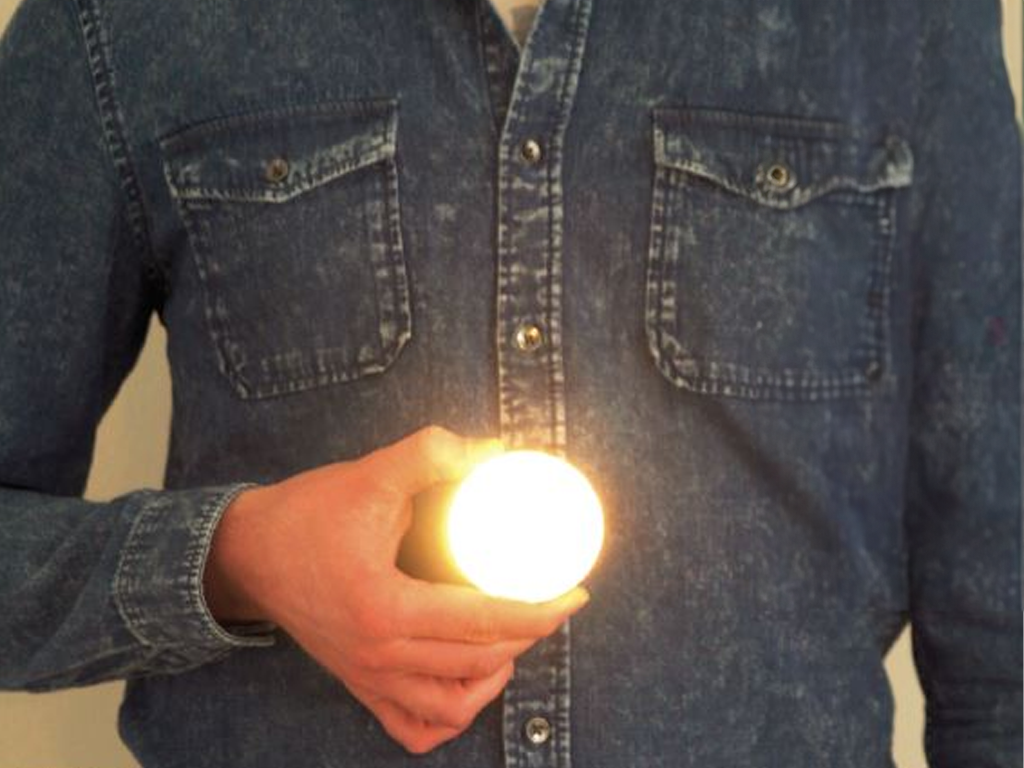
"At night all cats are black." – all of you will probably know this figure of speech. Light is involved or rather a situation where little light is available. In order to be able to see well we need not only keen eyes but above all light. Although our eyes adapt to dark surroundings, we hardly see any colours anymore and perceive only the silhouette of the cat or any other object. Light is the visible part of electromagnetic radiation and consists of tiny mass particles. The so-called photons move at extremely high speed and carry an immense amount of energy. We cannot touch it but feel and observe its effects. Light is a precondition for us to be able to take photos, watch a film or view something under a microscope. A lot of fascinating natural phenomena – for instance a bright blue summer sky or a rainbow – are based on light. Without light, life could not have evolved on earth. Light is energy – the chlorophyll of plant cells or solar panels can convert it into other forms of energy. Today we know what light energy is, what effects it produces and how it can be used.
Play trailer
Curriculum-centred and oriented towards educational standards
Matching
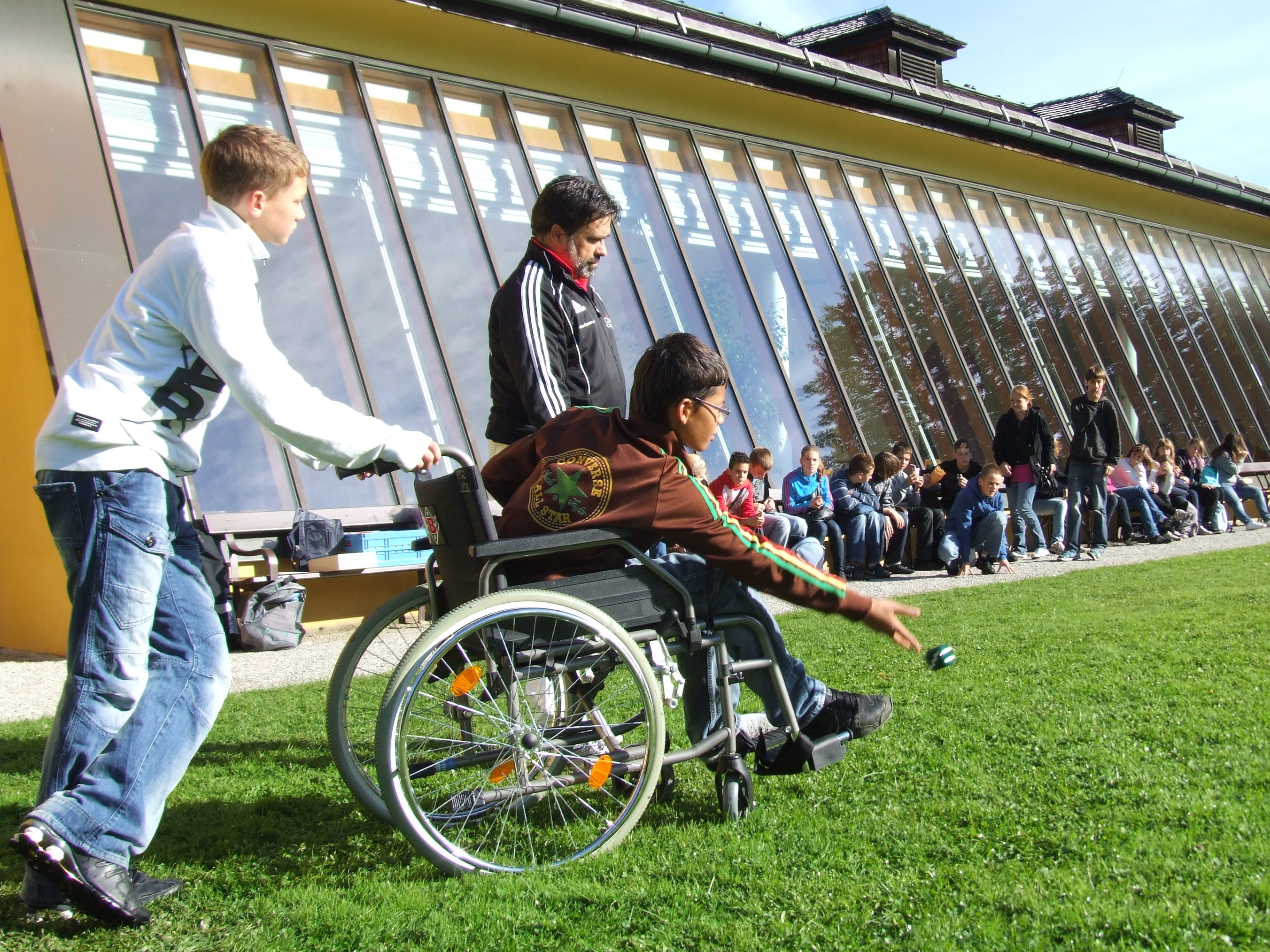
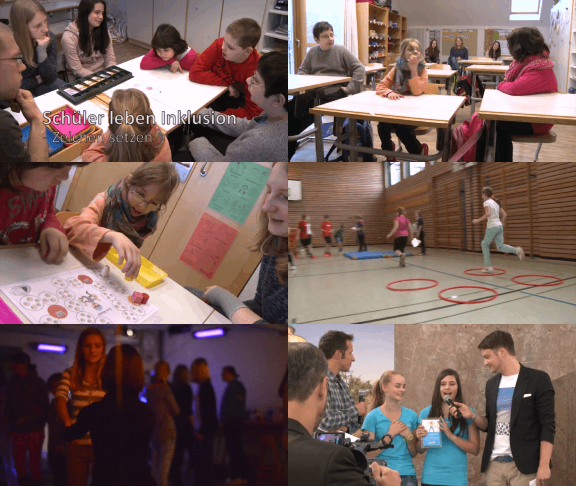
Pupils Practise Inclusion
When people come together, no matter under what concomitant circumstances – ultimately, it is about how these people meet and how openly they interact with one another.
Peer Mediation
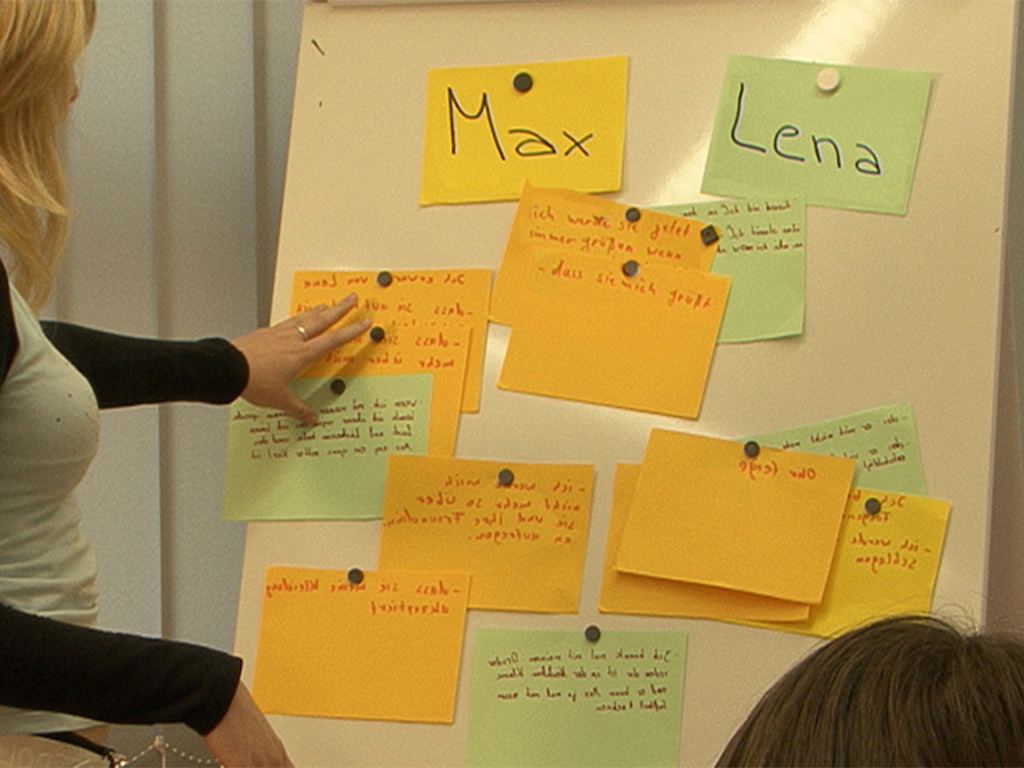
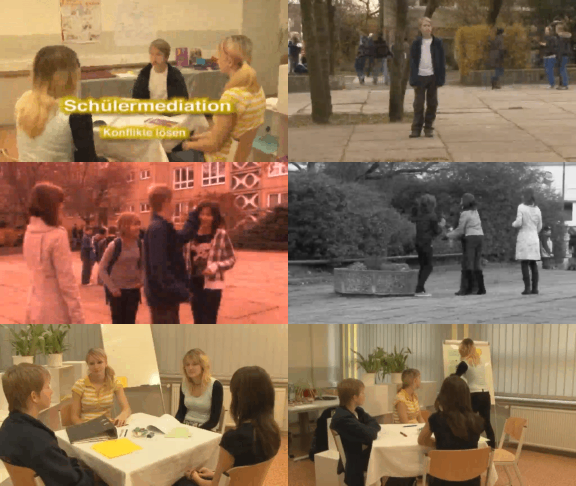
Lena and Max attend the 7th form. Max is new in class. During a break, Max notices that Lena and her friend are laughing at him again. Max loses his temper! He slaps Lena in the face. That hurts and Lena runs back into the classroom with a red cheek. The growing conflict between the two has escalated. Just like Lena and Max, every day pupils all over Germany have rows with each other. At the Heinrich Hertz Gymnasium in Thuringia, pupils have been trained as mediators for years. At set hours, they are in a room made available by the school specifically for mediation purposes. The film describes the growing conflict between Max and Lena and shows a mediation using their example. In doing so, the terms “conflict” and “peer mediation” are explained in a non-technical way. The aims of peer mediation and its progress in five steps as well as the mediators’ tasks are illustrated. The art of asking questions and “mirroring”, which the mediators must know, is described and explained. Together with the comprehensive accompanying material, the DVD is a suitable medium to introduce peer mediation at your school, too.
Resuscitation
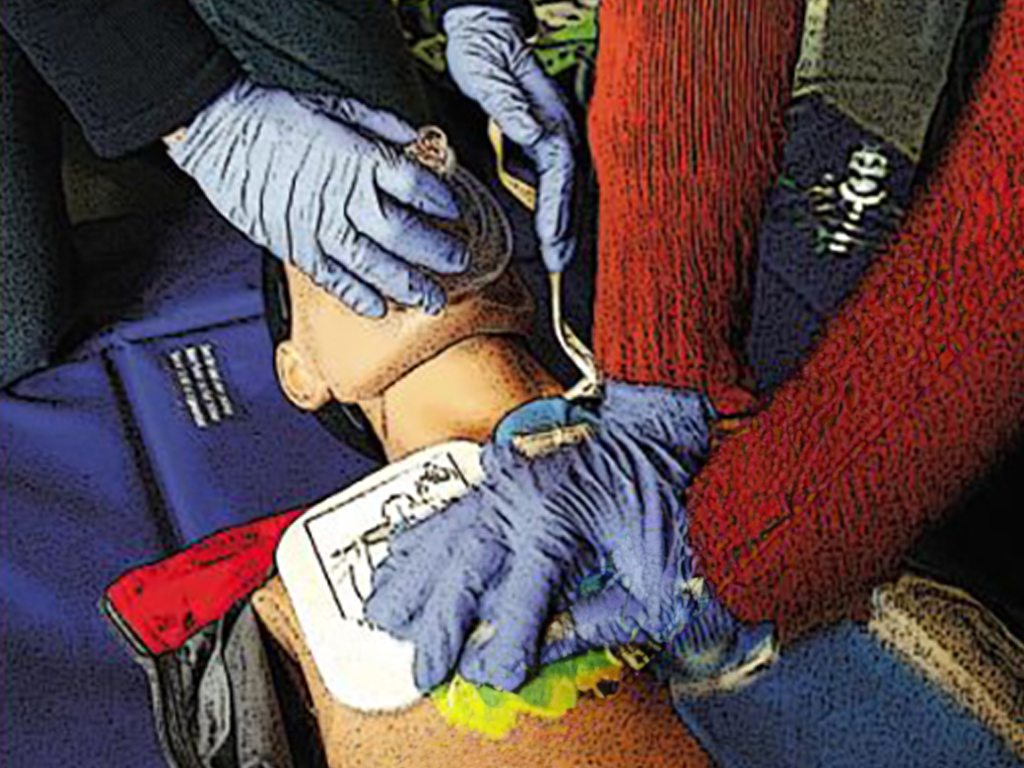
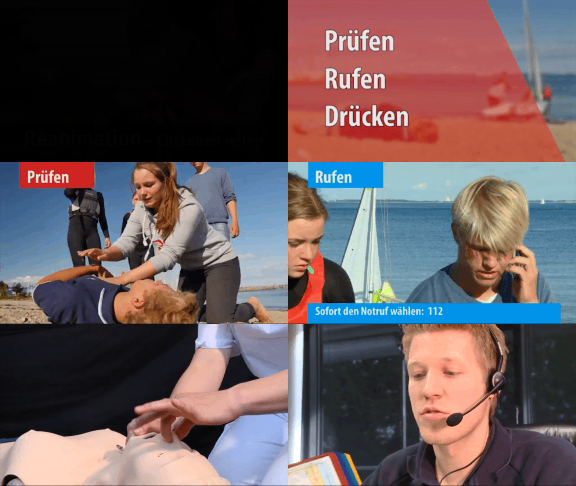
It can happen to anyone – of any age, in any place, at any time. Sudden cardiac arrest may quickly prove fatal. Immediate action is called for! Just remember: Check Call Press Anyone can do it. You can't do anything wrong!