







 Primary School

4673671 / 5562361
Feelings
Perception and Identification
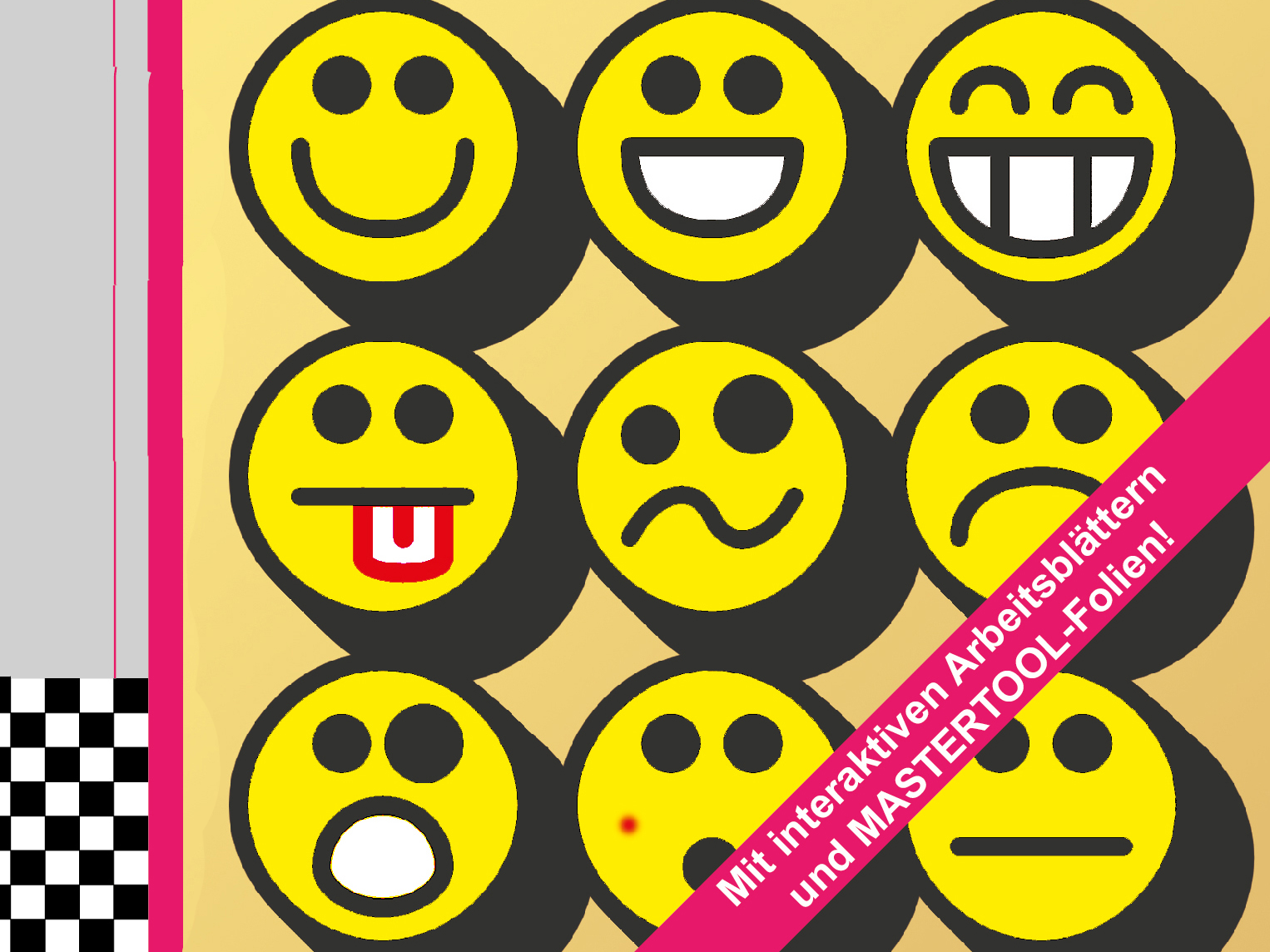
Feelings belong to humans like their noses and ears or like eating and breathing. There are a lot of different feelings: some of them feel right and great, others are less good and can cause problems. Some feelings are recognised with difficulty because you do not really know what to think of them or what to do. Feelings can also connect people. One of the best experiences is when you can share feelings with others. Or when others participate in your feelings of the moment. Which feelings are simple and feel good, which ones are complex and difficult to understand? A day can be full of different feelings – what kind of feelings are they? We can be full of joy, we can also be sad, we can be afraid, angry with someone or really fond of him or her. And sometimes all this changes very quickly from one moment to the other. Sometimes we find it hard to identify what feelings we have at the moment. What kind of feelings are there at all?
Play trailer
- <> Languages: DE, EN, TR
- <> Target Groups: GRU
- <> Subject: Primary School
- <> Length: 25:22 min
- View in learning platform
Licenses
Curriculum-centred and oriented towards educational standards
Matching
The Daily Newspaper
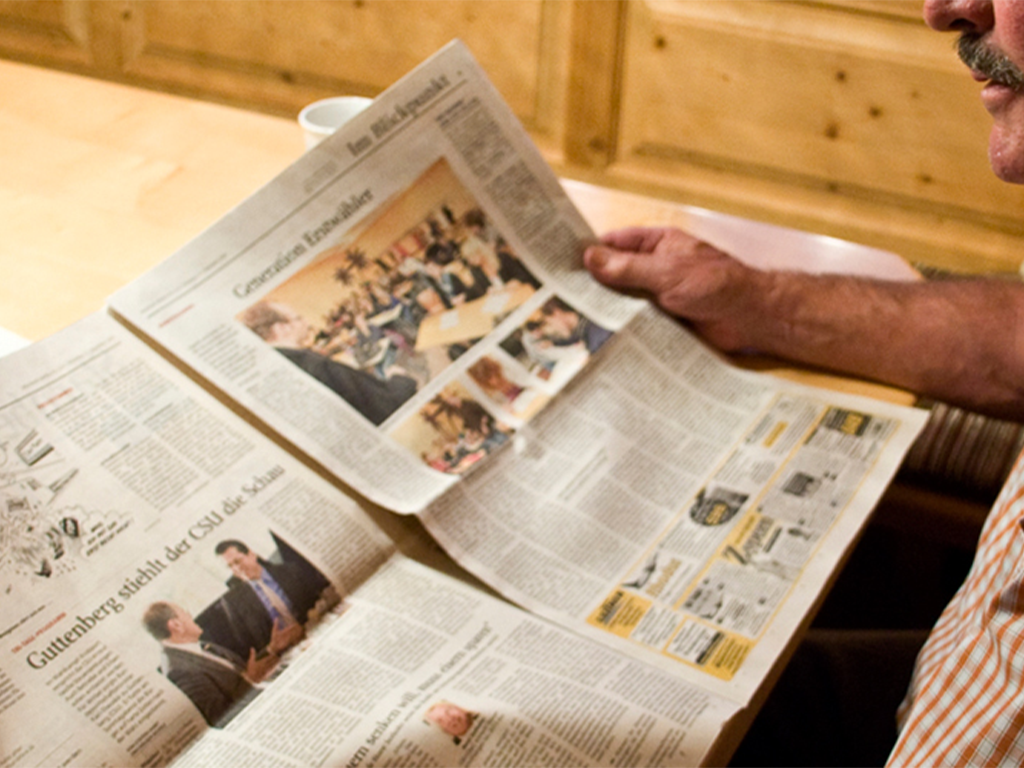
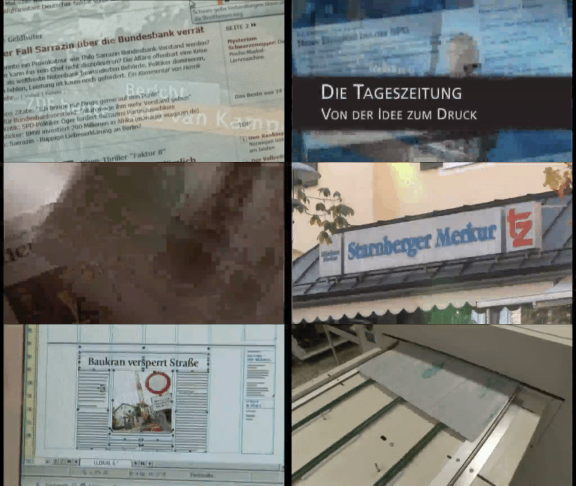
Every day, there is a surge of news reaching us via different news channels. In spite of TV and Internet, the daily paper still is one of the most important main sources of news. But how is a newspaper created? The film shows the production of a paper in the course of one day. Starting with the editorial meeting in the morning, in which the topics and deadlines are determined, the film accompanies a journalist during her research work. You can see how a journalistic interview is conducted and what the photographer must consider when taking a press photo. Back in the editorial office, the editor’s work is illustrated, which includes the page layout and the writing of an online article in today’s time. Impressive pictures from the printing centre depict the process from the digital page to the finished newspaper. Together with the comprehensive accompanying material, the DVD is perfectly suited for use at school

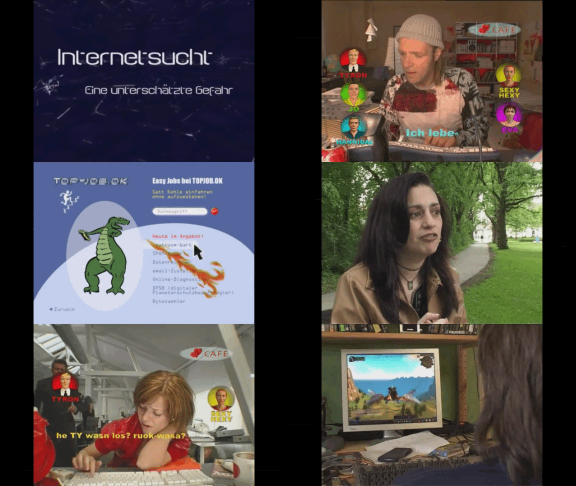
Internet Addiction
The film consists of two parts. The first part is the 15-minute short film “In the Net”. It describes the problem of excessive Internet use in a humorous way, in particular the risk of losing touch with reality when chatting. The second part illustrates with three real persons how Internet addiction can develop and the problems encountered by those who are afflicted. The authentic statements are commented by an experienced therapist. For many pupils, the issues addressed here are related to their everyday lives. What is a “sensible” use of the Internet, where does pathological addiction start? In contrast to addiction to alcohol, nicotine or drugs, the public seems to be largely ignorant of the problem of this addiction, which is not related to any substance abuse. The film provides material for discussion in the classroom (crossdisciplinary) and can be used as a basis for the formulation of prevention strategies.


Racism
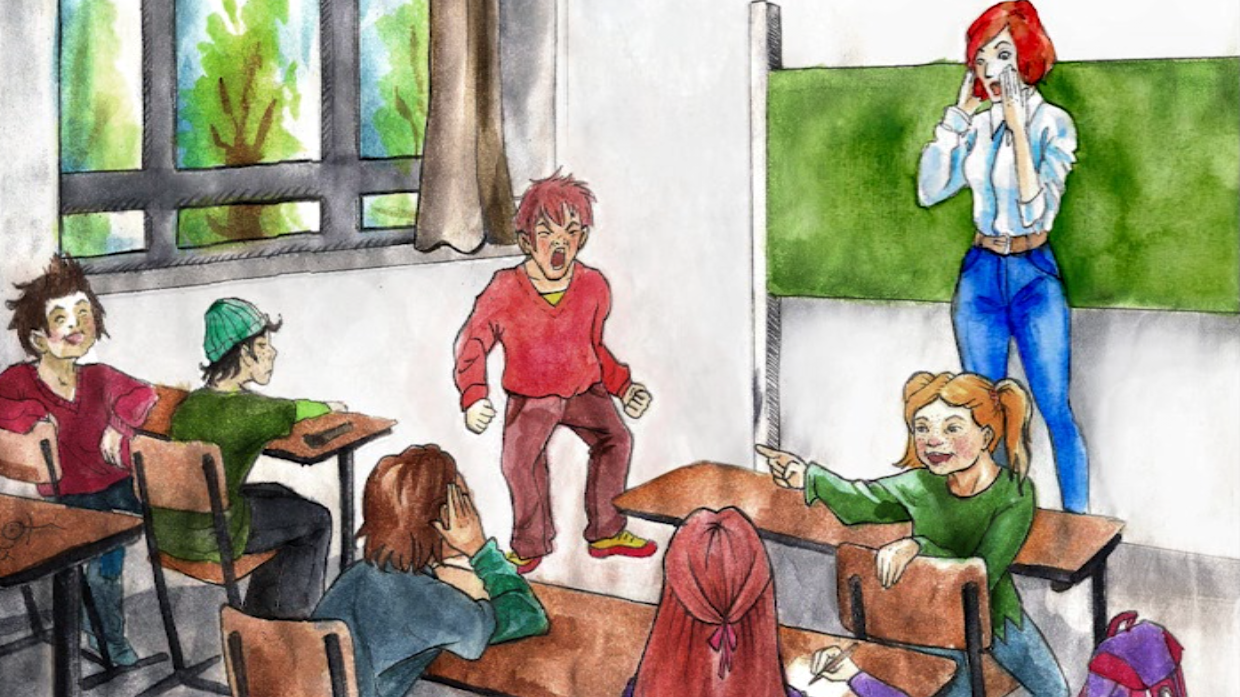
Do you perhaps know that?