







 Primary School

4677064 / 5564359
Zoo Learning
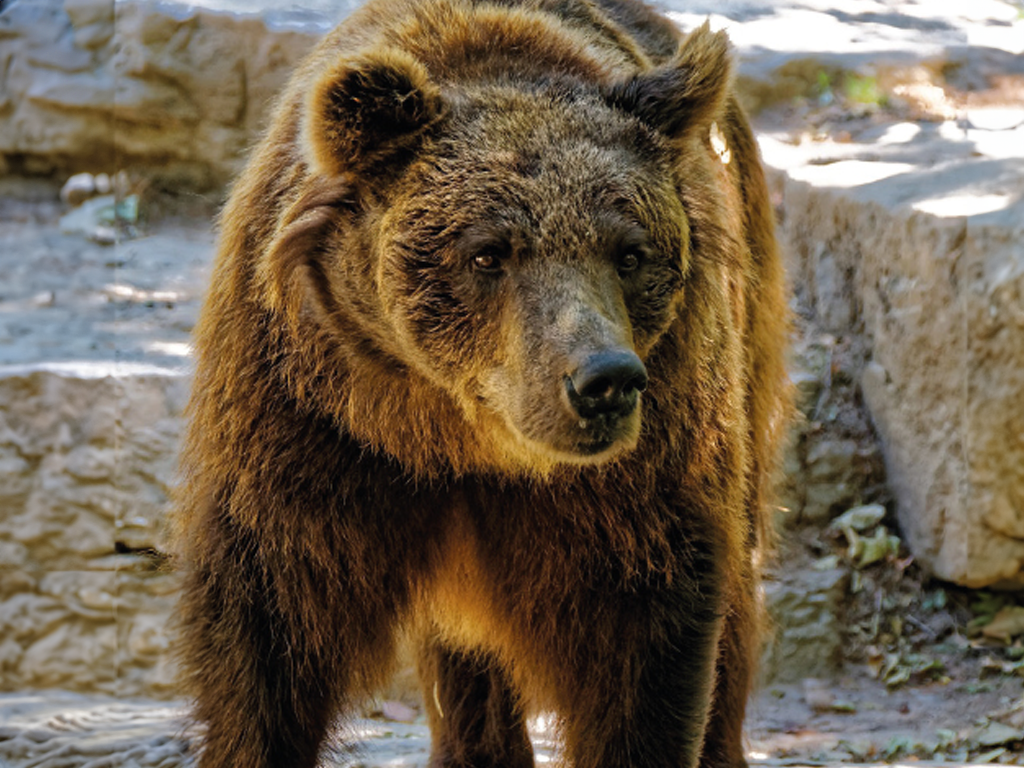
Brown Bear, Wolf and Eagle Owl
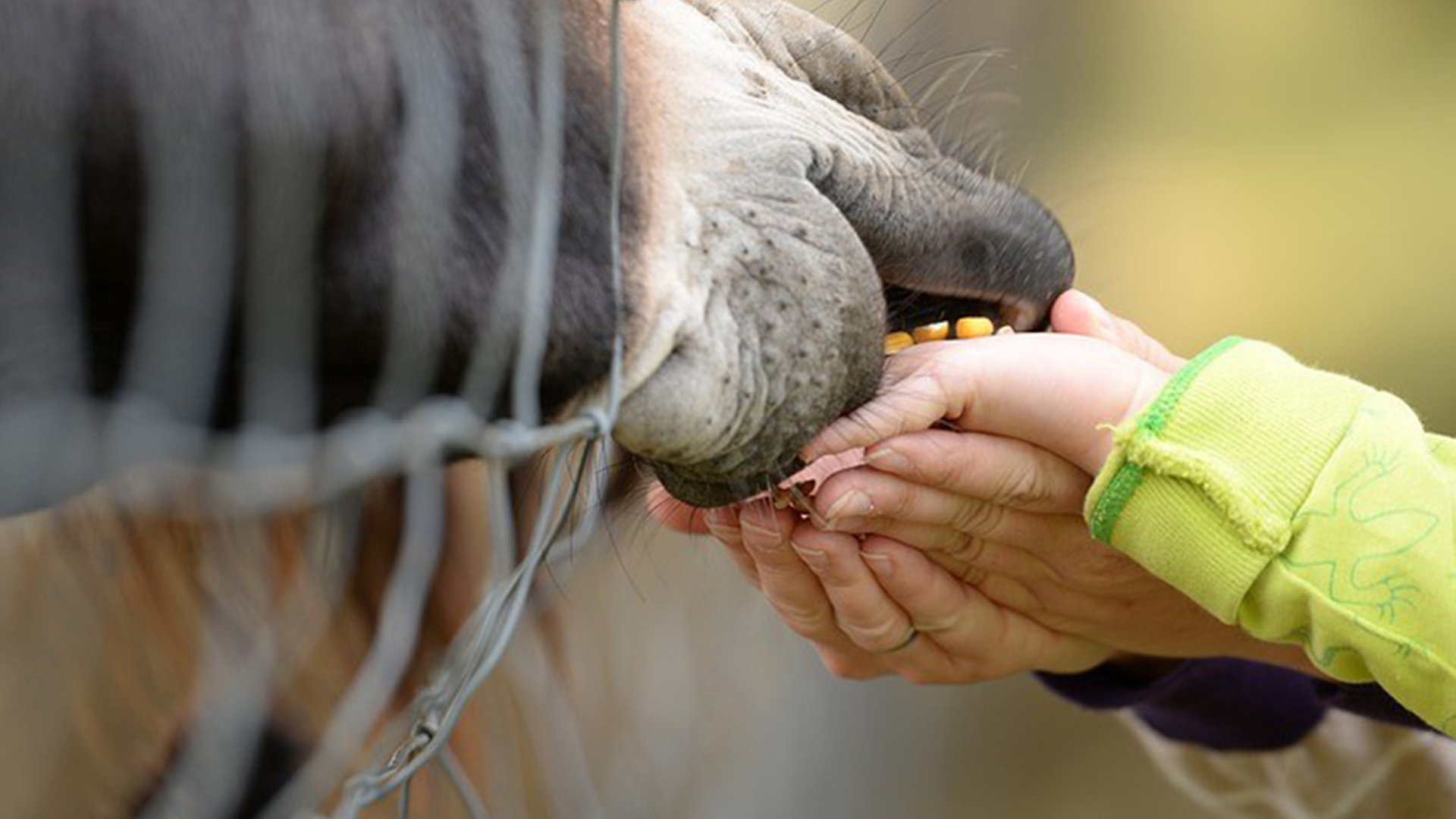
Seeing animals close up on a trip right in the middle of the city – this is possible on a visit to the zoo. There we can see many animals that cannot be found in the wild around here as a rule. From small to large, dangerous animals, harmless animals, and some you can stroke. Animals that attract attention through their outward appearance and those that are difficult to see in their environment. In the zoo, the animals are kept in enclosures. In this way you can see them close up and they cannot pose any risk to people. In Munich, the chimpanzees live in a large outdoor enclosure which has been recreated amazingly similar to their natural home. Zenta and Seppi are enjoying their food and watching the visitors. Chimpanzees are the closest relatives of humans. Mammals have the same body temperature all the time, whether they live in cold or hot climates. Most mammals are land animals but some have also adapted to life in water. The front and hind legs of seals, for example, have become flippers in the course of their evolution. Other mammals live in the air. With the folds of skin stretched between their front and hind legs, bats and flying foxes, for example, can fly. Mammals on land move around in three different ways: Plantigrades: They walk with the entire sole of the foot flat on the ground. The digitigrades walk solely on their toes. That is the way a lynx walks, for example. Then there are the unguligrades, which move around on the tips of their toes only. Among them is the ibex, for example. There are about 6,600 different mammal species. For more detailed information, see here: https://worldanimalfoundation.org/advocate/how-many-animals-are-in-the-world/ They are the most advanced vertebrates of all species. In the course of evolution the brain, in particular, has developed greatly. The biggest mammal in Europe is the wisent. It reaches a height of up to two metres and a weight of up to 450 kilos. The wisent, a breed of cattle which is related to the American bison, is a good example of the useful work of the zoo, because it was already considered extinct. In the twenties there were only a few animals living in zoos. Protected by the zoo, the animal population could recover and today, there are again more than 1,000 animals.
Play trailer
- <> Languages: DE, EN
- <> Target Groups: GRU
- <> Subject: Primary School
- <> Length: 22.57 min
- View in learning platform
Licenses
Curriculum-centred and oriented towards educational standards
Matching

Product Piracy
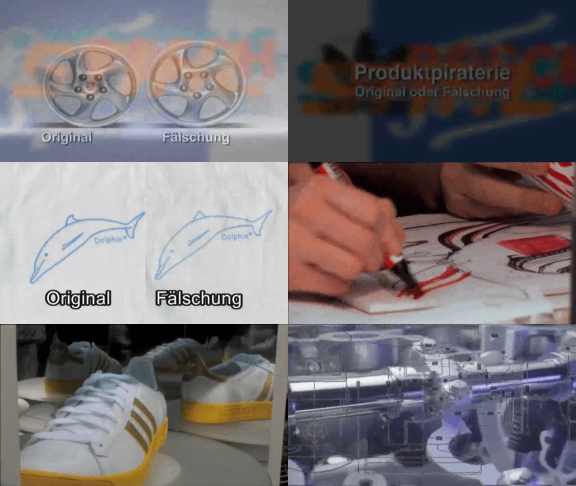
Counterfeiting takes place in almost all economic sectors – textiles, watches, car parts, machine parts, tools, accessories, software and medicines. Some counterfeits are easy to recognise, others are so well-executed that even experts have difficulty distinguishing between original and imitation. This DVD covers the development of a product from idea to manufacture. Once a product has become a trademark, product pirates appear on the scene.
Seal of approval
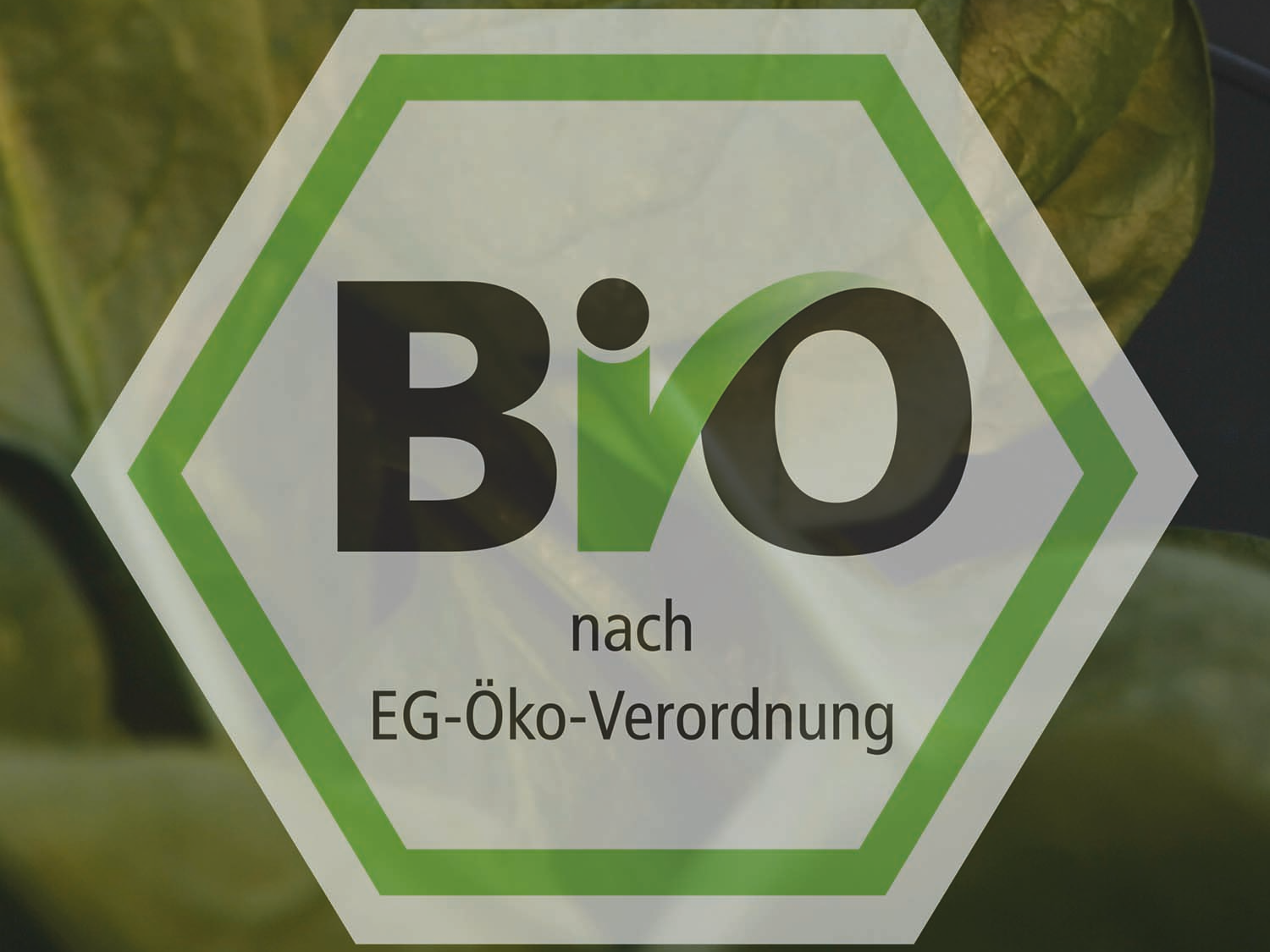
Quality seals such as the "Bio-Siegel", "Blauer Engel", "Stiftung Warentest" and up to 1,000 other seals represent characteristics such as sustainability, health or safety with regard to a product, a service or even a company.
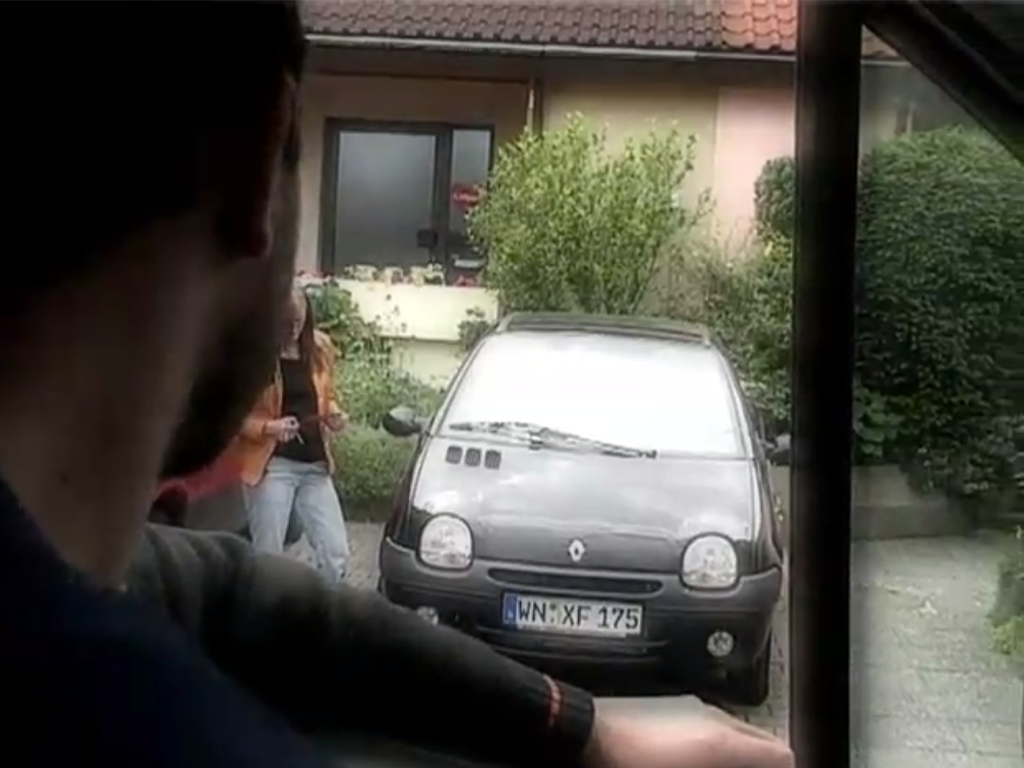
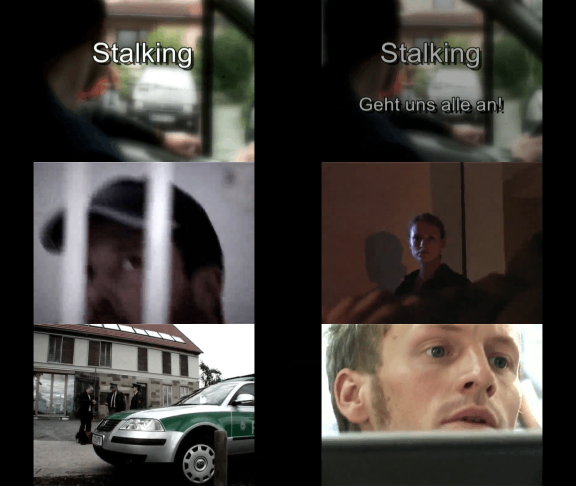
Stalking
n Germany, 12 % of all federal citizens are pursued by a stalker once in their lives. And not only celebrities are among their victims! Everyone may be confronted with such a situation.