







 Media Education, Primary School

4678991 / 5565751
The Making of a Children’s Book
From Idea to Print
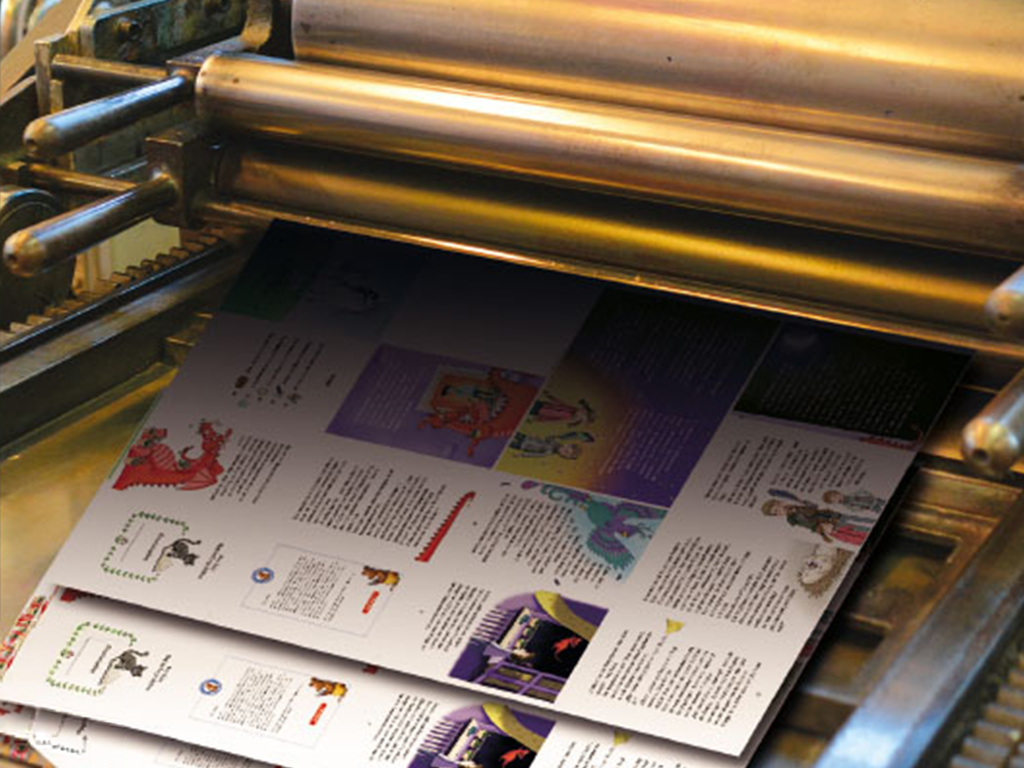
Every year thousands of new books are published. You can get a notion of that vast number at the large book fairs in Frankfurt or Leipzig. The companies producing the books that are presented here are called publishing houses. Some of the publishing houses also present books here that have been made especially for children who are learning to read. For instance this book about “Magical Animal Stories”. But how exactly are the books made which are presented here? What does a publishing house do? What people and what ideas are responsible for the publication of a book? What has to happen for a book to be printed and for us to be able to buy it in a bookstore and read it? Let’s turn back time a little and watch how, for instance, this book with the magical animal stories was produced.
Play trailer
- <> Languages: DE, EN
- <> Target Groups: GRU
- <> Subject: Media Education, Primary School
- <> Length: 25:11 min
- View in learning platform
Licenses
Curriculum-centred and oriented towards educational standards
Matching

Mobile Learning II
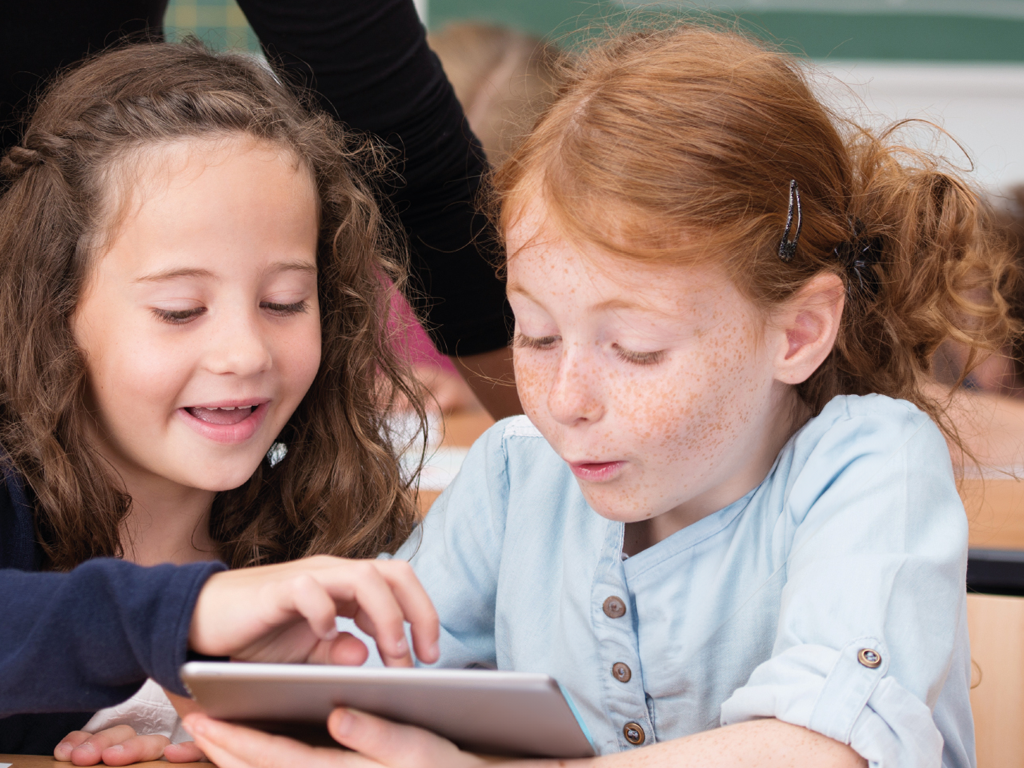
Oh, what’s that? Original soundtrack Thissen: “As our children grow up in a media world and naturally handle the media, they should also be a topic in school.“ An older child says the point is that they don’t just load down apps but create things themselves that haven’t existed so far. Hi, I’m Jana. A propeller hat. I’ll put it on. Now I’m no longer a simple rhino, but a flying rhino. Original soundtrack Thissen: “It’s exactly the great flexibility of tablets that promotes very personalised and adapted learning.” Original soundtrack Welzel: “It’s fascinating to see how the children grow with their products and how they always want to improve them.” The Westminster Abbey is a church in London for the royal family. Original soundtrack Welzel: “And?“ They think it is ok.
Youth Movement
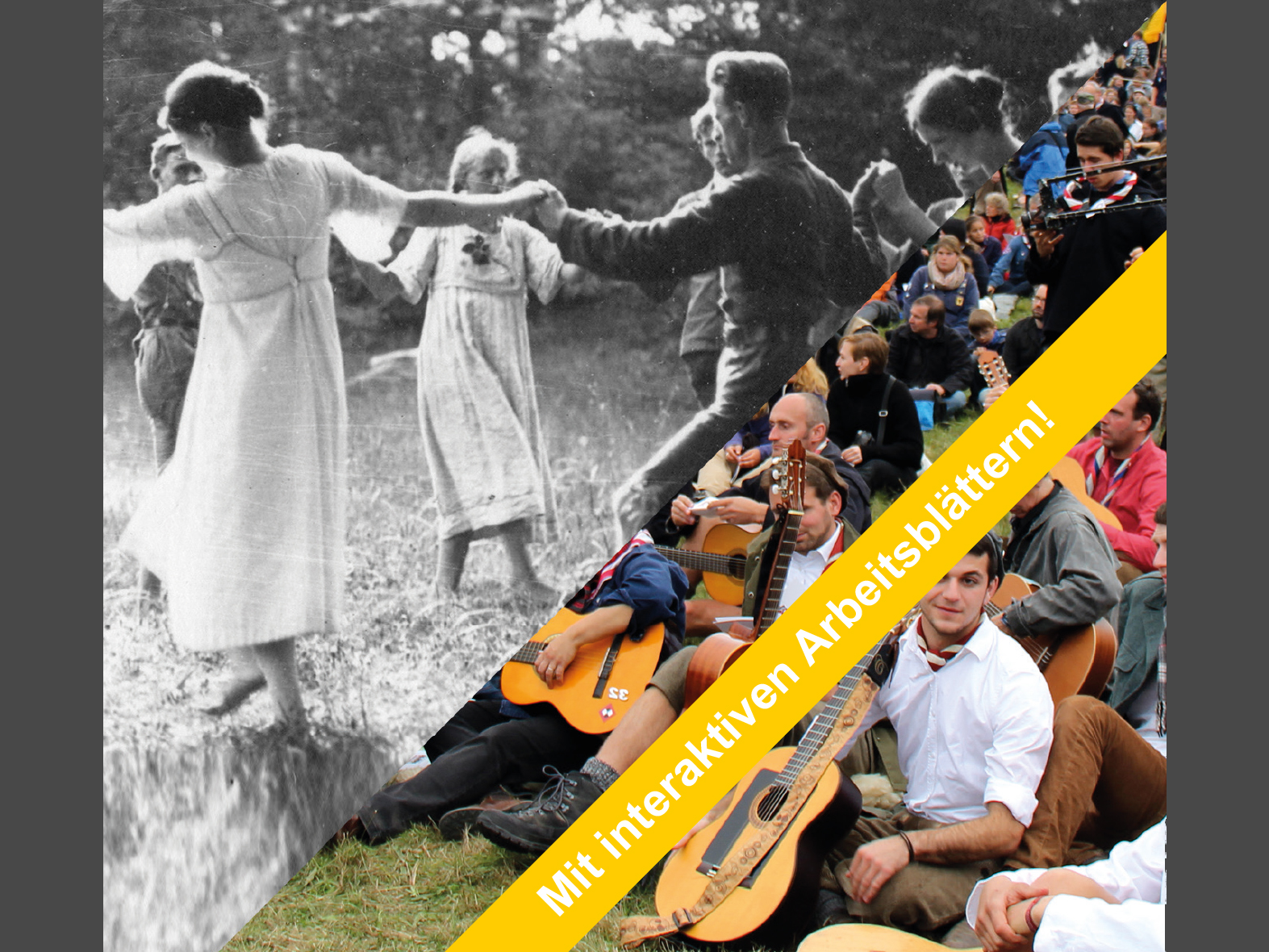
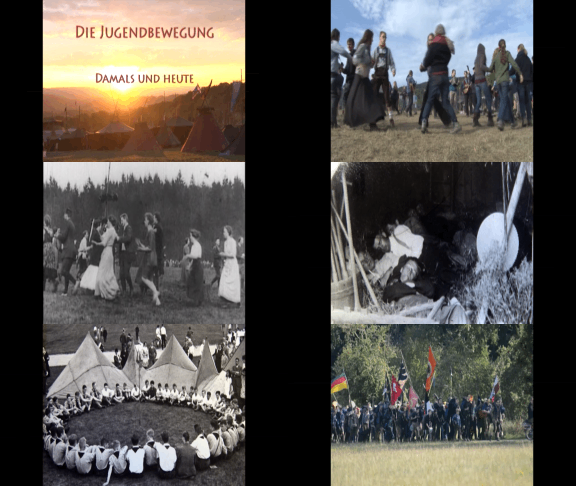
Dancing until your feet hurt: Here, at the meeting on the Hoher Meissner near Kassel, 3,500 participants from Boy Scout associations, youth and Wandervogel groups from all over the German-speaking region have gathered. They want to celebrate, simply get to know each other and commemorate a historic anniversary.

Big Data
Original soundtrack young woman: