







 Geography

4657329 / 5551521
Man and Climate
Climate Change
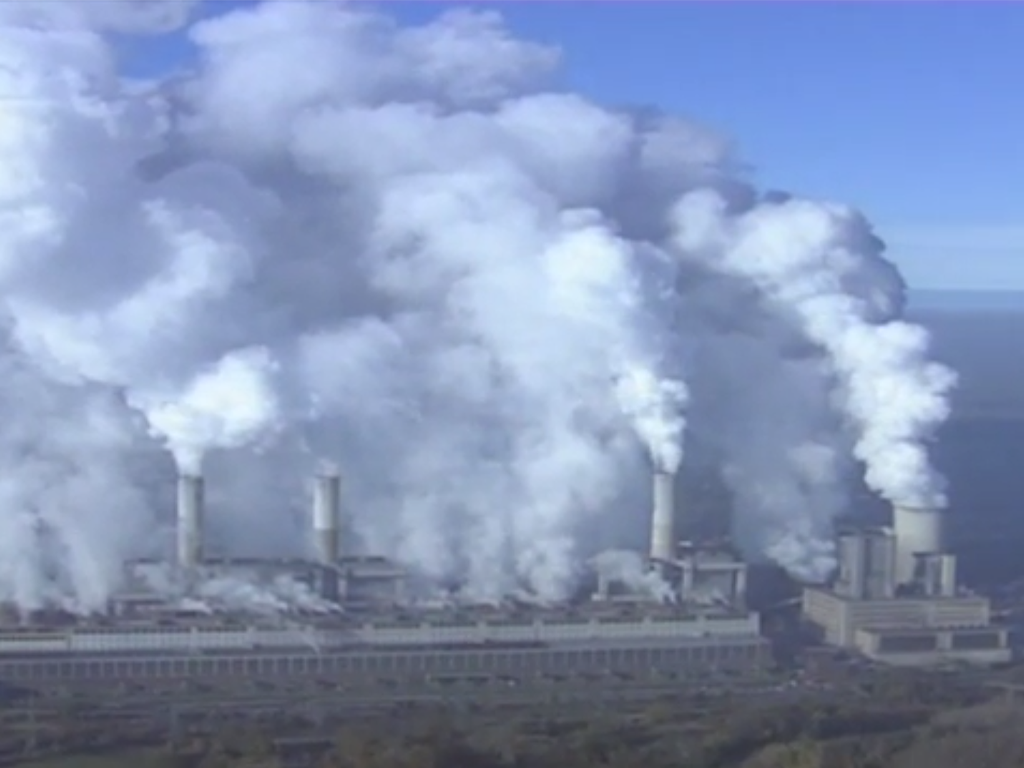
The first chapter of this DVD deals with the population development over the past 3000 years and the associated dramatic effects on nature. The massive deforestation and the fast-increasing water consumption are analysed as two examples for the consumption of our resources. The dependency of the regeneration of our water supplies on climatic conditions clearly illustrates the close link between humans and the climate. But what exactly is the climate and how is it determined? This question is discussed in detail in the second chapter. A look back into the past helps us in addressing current questions. The warm High Middle Ages and the following Little Ice Age as well as plant remains, e.g. the annual rings of trees, or animal finds such as dinosaur skeletons allow us to draw conclusions regarding climatic conditions. Will we meet the same fate as the dinosaurs? In the fourth chapter, we visit the climate data processing centre at the MPI. Significant climate changes are predicted in model calculations for the next 100 years. This leads to further important questions: Do we need to act? If yes, when and on what scale? Especially with this last chapter, the pupils are encouraged to recognise their own responsibility in order to shape the future of all of us.
Play trailer
- <> Languages: DE, EN, FR, TR
- <> Target Groups: Sek II
- <> Subject: Geography
- <> Length: 31:25 min
- View in learning platform
Licenses
Curriculum-centred and oriented towards educational standards
Matching
Inclusion
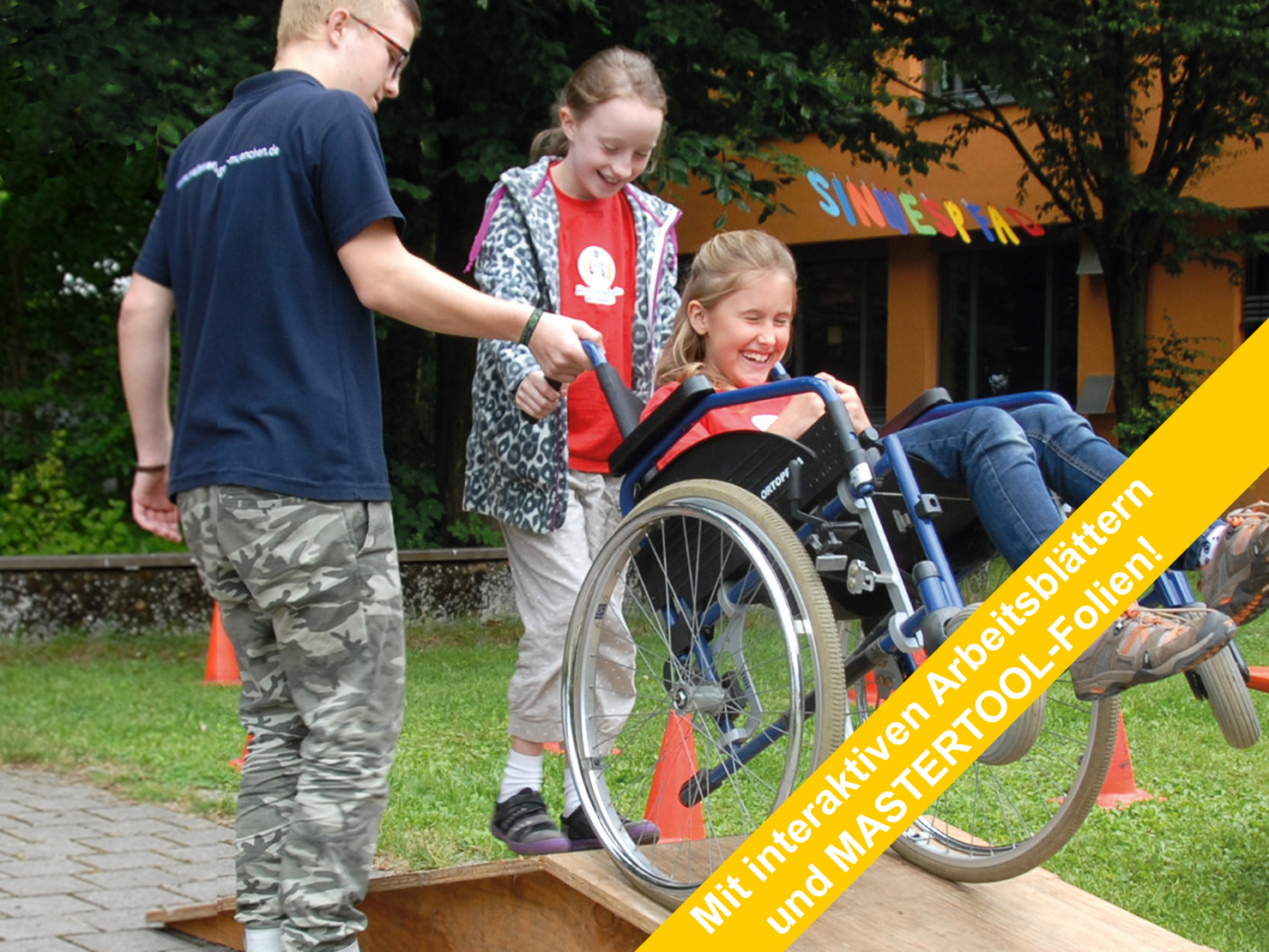
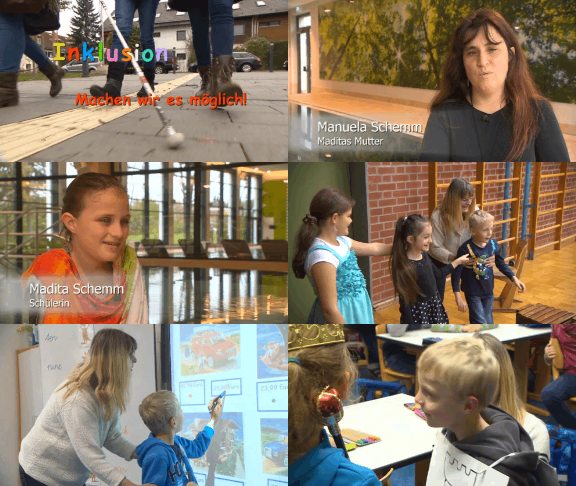
Madita is eleven and blind. She does not want to go to a special school but to a regular grammar school. She says she feels "normal" there. Jonathan is eight and has a walking disability. He likes going to the school where he lives. Here, his best friend sits next to him. Max Dimpflmeier, a teacher who is severely deaf, explains that school life is not easy. Quote Max Dimpflmeier: "You don't want to attract attention, you want to avoid saying that it is necessary for you that 70 people adjust to your situation." People on their way to inclusion.
Racism
Do you perhaps know that?
Copyright
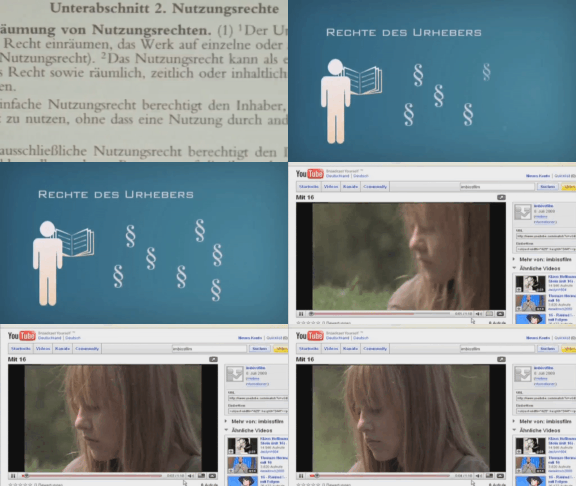
Copyright is subject to constant change to keep up with technological advances. This film enables the viewer to grasp the basic principles of this extremely intricate matter. By way of introduction, the film defines what an author is, what kinds of works there are and how long a work is protected on principle. Then the fundamental rights of an author are cited and it is shown how these are exploited in our times. In the third chapter, the respective rights are illustrated by way of practice-oriented examples of books, photos, music and films. Here, of course, an emphasis is laid on the field of education, taking into account the latest case law within the EU and Austria in particular. A further chapter highlights the problems arising with the Internet and goes into the citation law and pirate copies. All in all, in this way the viewer is made familiar with the most important basic terms and their meanings. Comprehensive worksheets and additional accompanying material invite us to deepen our knowledge of the subject.