







 Biologie
4677070 / 5564365
Knochen
Aufbau und Funktion
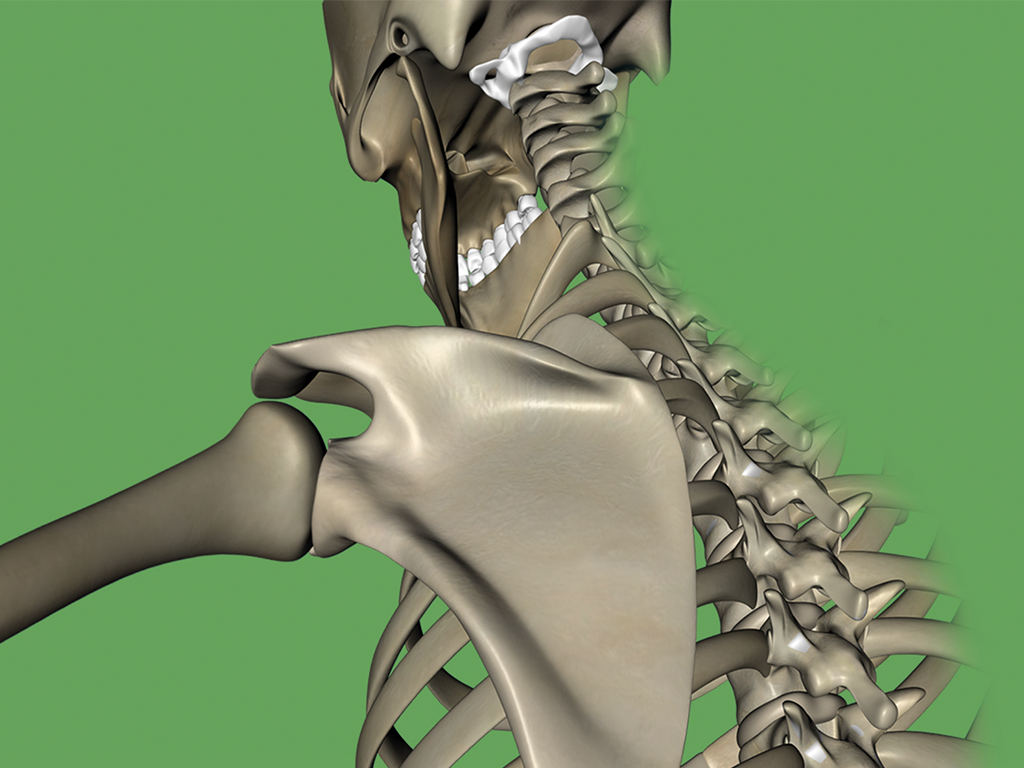
Sie bilden die Stützkonstruktion der Wirbeltiere – die Knochen. Der Film stellt in zahlreichen Animationen und Grafiken den Aufbau und die Funktion der Knochen vor. Die Unterteilung des Skeletts in die Bereiche Kopf, Extremitäten und Rumpf und die individuelle Anzahl der Knochen wird im Film und den Arbeitsblättern verdeutlicht. Dass die Knochen kein statisches Gebilde, sondern ein sich permanent erneuerndes Gewebe sind, erfahren die Zuschauer ebenso wie ihnen die verschiedenen Knochen gezeigt und vorgestellt werden. Die Risikofaktoren für Knochenkrankheiten, etwa die Osteoporose, zeigt der Film in einem eigenen Kapitel. In Verbindung mit dem umfangreichen Zusatzmaterial (klassische und interaktive Arbeitsblätter, Glossar, Testfragen, Unterrichtsentwurf) lässt sich die vorliegende DVD hervorragend im Unterricht einsetzen.
Trailer abspielen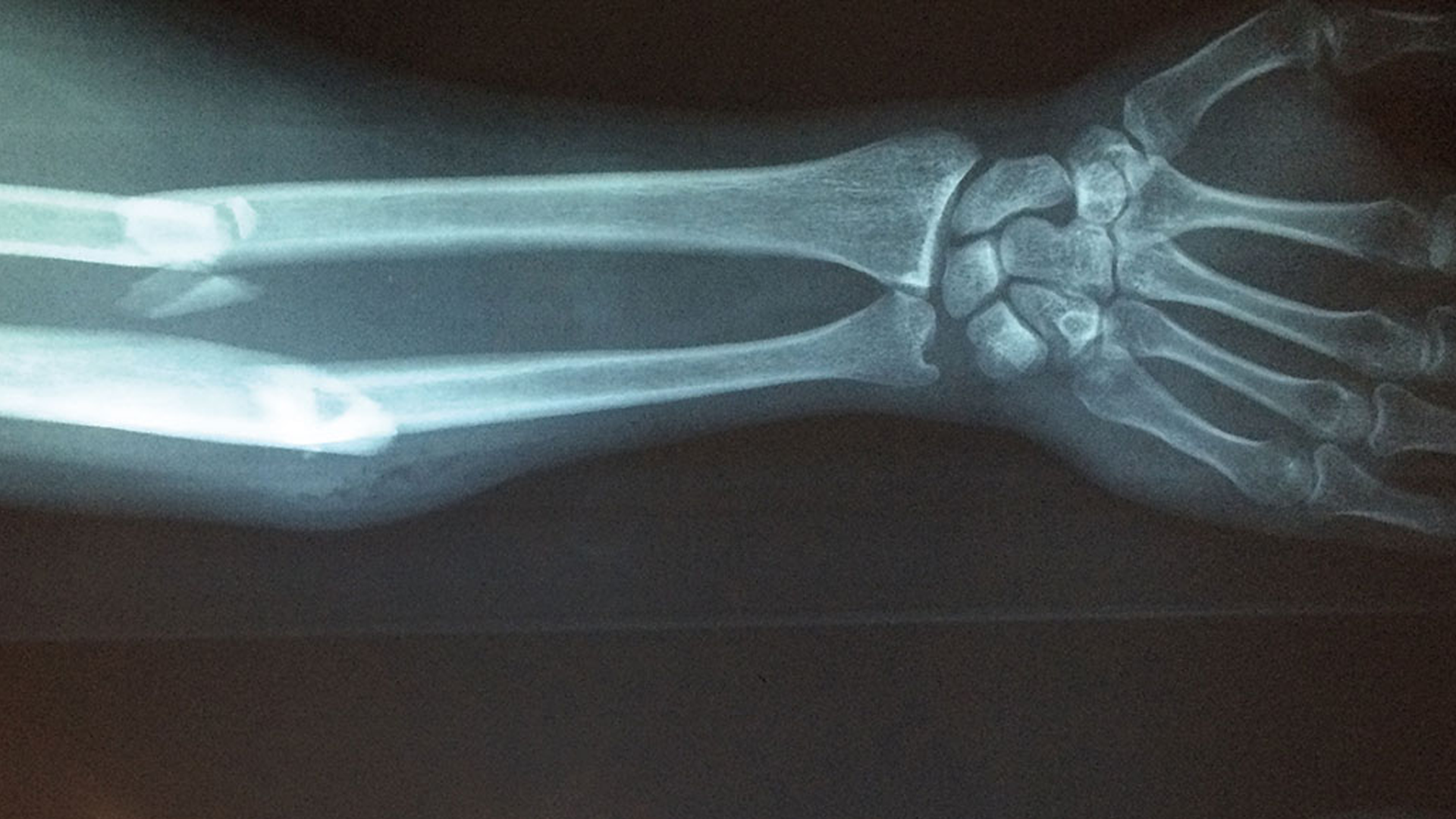
Lehrplanzentral und an den Bildungsstandards orientiert
Passend dazu

Blogging
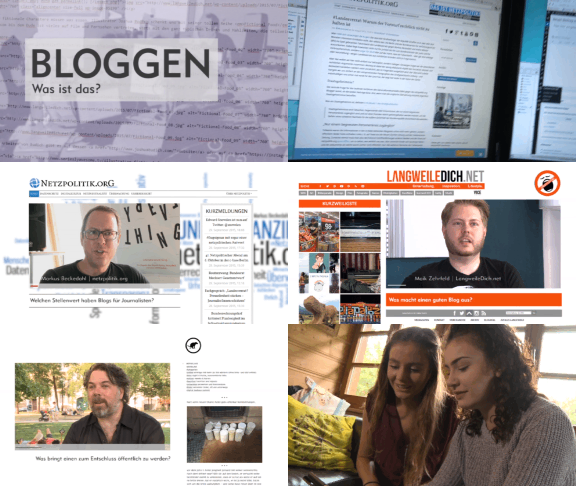
The weblog or blog, for short, as a medium is not much older than this century. Blogs came into being in the World Wide Web as ’messages from below’, as web pages from web creators who wanted to share their view of the world with the world. They are short notes, long texts, pictures, videos, which are posted loosely and at random intervals to the world for an undefined public.
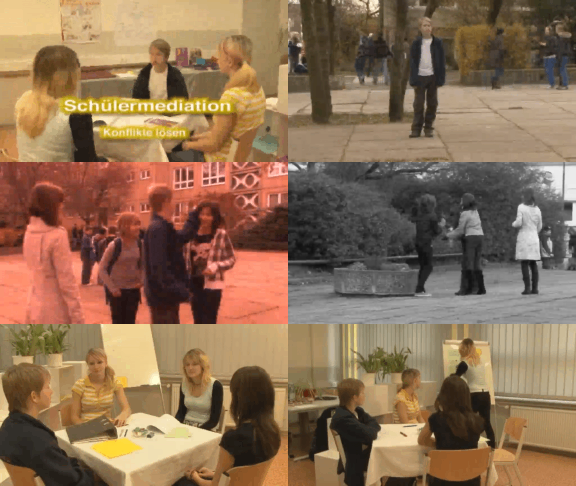
Peer Mediation
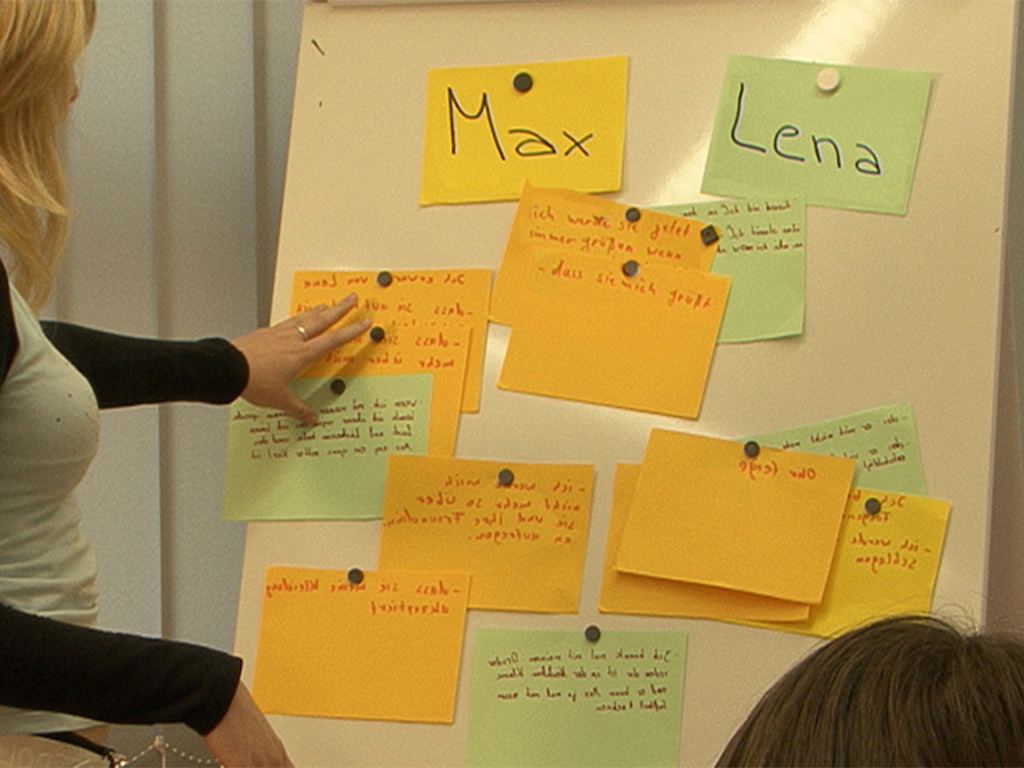
Lena and Max attend the 7th form. Max is new in class. During a break, Max notices that Lena and her friend are laughing at him again. Max loses his temper! He slaps Lena in the face. That hurts and Lena runs back into the classroom with a red cheek. The growing conflict between the two has escalated. Just like Lena and Max, every day pupils all over Germany have rows with each other. At the Heinrich Hertz Gymnasium in Thuringia, pupils have been trained as mediators for years. At set hours, they are in a room made available by the school specifically for mediation purposes. The film describes the growing conflict between Max and Lena and shows a mediation using their example. In doing so, the terms “conflict” and “peer mediation” are explained in a non-technical way. The aims of peer mediation and its progress in five steps as well as the mediators’ tasks are illustrated. The art of asking questions and “mirroring”, which the mediators must know, is described and explained. Together with the comprehensive accompanying material, the DVD is a suitable medium to introduce peer mediation at your school, too.
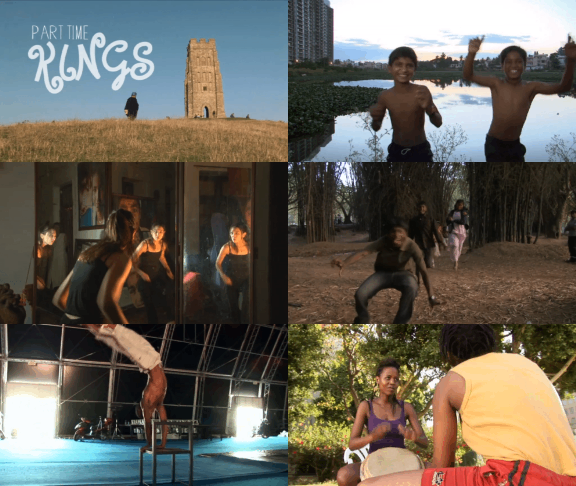
Part Time Kings
Your children are not your children
