







 Grundschule


46505043 / 55504923
Fischotter
Körperbau, Lebensraum, Lebensweise
Der Fischotter: Er gilt als Meisterschwimmer und Taucher! Sein Fell besteht aus 70.000 Haaren pro Quadratzentimeter! Sein Lieblingsmahl ist Fisch! Seit rund fünf Millionen Jahren bevölkert der Fischotter, mit dem lateinischen Namen „Lutra lutra“ die Erde. Er gehört wie Dachs, Wiesel und Nerz zur Familie der Marder. Auch wenn er im Wasser in seinem Element ist, passt er sich dem Leben an Land ebenso hervorragend an. Sein dichtes Fell, das dichteste unserer heimischen Wildtiere, dient ihm nicht nur zur Warm- und Trockenhaltung, sondern war bereits zu Anfang des 19. Jahrhunderts zur Pelzverarbeitung begehrt. Der Film stellt den Fischotter, seine Lebensweise und seine Lebensumgebung vor. Interaktive Aufgaben, Testfragen und Glossar wurden mit H5P erstellt und können ohne weitere Software verwendet werden. Dieser Film wird mit optionalen Untertiteln angeboten.
Trailer abspielen
- <> Sprachen: DE
- <> Zielgruppen: GRU
- <> Fach: Grundschule
- <> Spieldauer: 12:34 min
- In Lehrmediathek ansehen
Lizenzen

Lehrplanzentral und an den Bildungsstandards orientiert
Passend dazu

Lerneinheit Biologie 5/6
In unserer interaktiven Lerneinheit "Biologie 5/6 – Fischotter" finden Sie 10 interaktive und didaktisch aufbereitete Aufgaben zum Thema Fischotter.

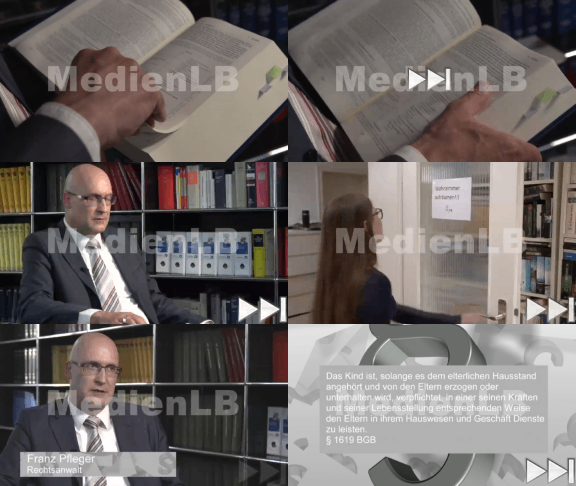
Rights and Obligations
Three girls of different ages: Anna is 17, Paula 15 and Lena 13. Before the law, their respective ages have consequences – because children and adolescents have different rights and also obligations.
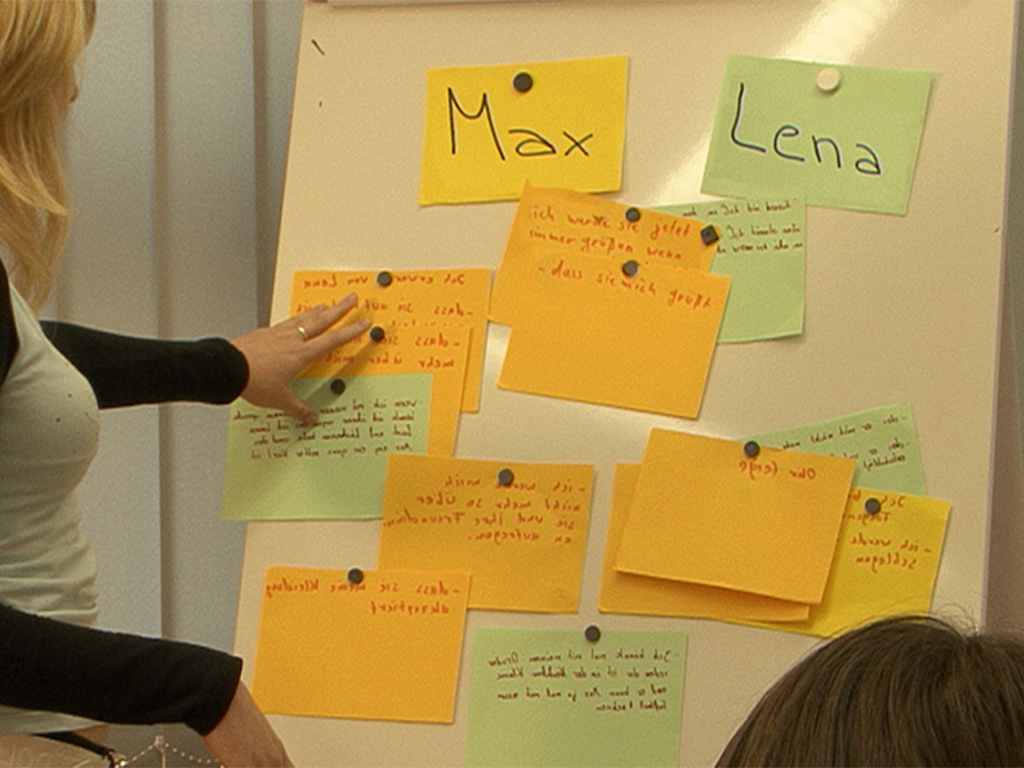
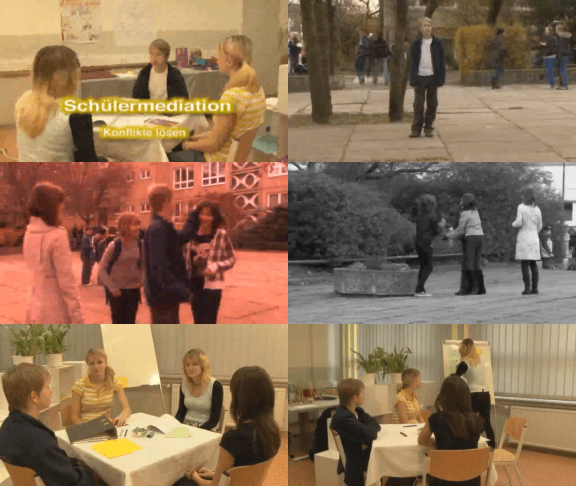
Peer Mediation
Lena and Max attend the 7th form. Max is new in class. During a break, Max notices that Lena and her friend are laughing at him again. Max loses his temper! He slaps Lena in the face. That hurts and Lena runs back into the classroom with a red cheek. The growing conflict between the two has escalated. Just like Lena and Max, every day pupils all over Germany have rows with each other. At the Heinrich Hertz Gymnasium in Thuringia, pupils have been trained as mediators for years. At set hours, they are in a room made available by the school specifically for mediation purposes. The film describes the growing conflict between Max and Lena and shows a mediation using their example. In doing so, the terms “conflict” and “peer mediation” are explained in a non-technical way. The aims of peer mediation and its progress in five steps as well as the mediators’ tasks are illustrated. The art of asking questions and “mirroring”, which the mediators must know, is described and explained. Together with the comprehensive accompanying material, the DVD is a suitable medium to introduce peer mediation at your school, too.
